
The United States has witnessed a disturbing trend among young white men under 30. Nearly one in seven expresses support for white nationalism. This rise in support is not merely a reflection of partisanship. Understanding the motivations behind this trend requires a deeper look at societal influences and individual beliefs.
On July 4, during the celebration of the nation’s 250th birthday, unsettling events unfurled in Washington. Images circulated widely of masked men marching through the streets, bearing the slogan ‘Reclaim America!’ The participants displayed logos of the Patriot Front on their matching baseball caps, a group known for white nationalist ideologies.
These developments serve as a stark reminder of the need to address the roots of racial and ideological divides in the country. While partisanship plays a role, other factors such as economic insecurities, cultural anxieties, and identity struggles also contribute to the appeal of such groups.
Efforts to counter these influences must involve comprehensive educational initiatives and public discourse aimed at promoting inclusivity and understanding. Such actions are essential to prevent the spread of extremist ideas and to foster a more united society.
Researchers and analysts continue to study these dynamics to offer insights and solutions. Their work provides valuable knowledge to help policy makers and the public address these pressing issues effectively.
 Lake County Kicks Off Early Voting with High Turnout
  Councilwoman Mary Brown’s Legacy in Gary
  Shifting Odds in Senate Races Favor Democrats
 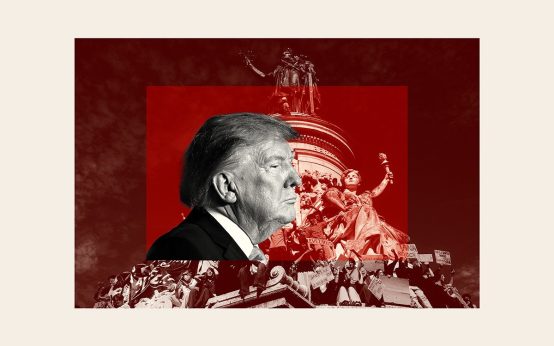 Trump’s Interpretation of French Protests
 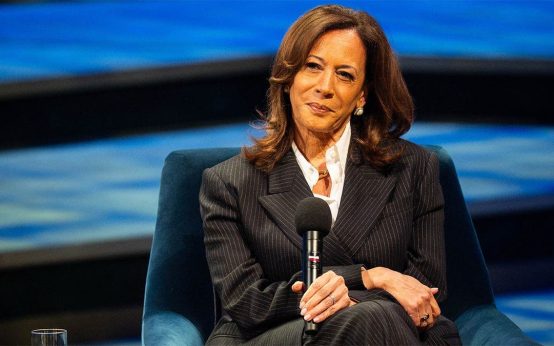 Kamala Harris Faces Questions on 2028 Presidential Bid
  Illegal Immigrants with Criminal Records Linked to Violent Attacks in New York and Virginia