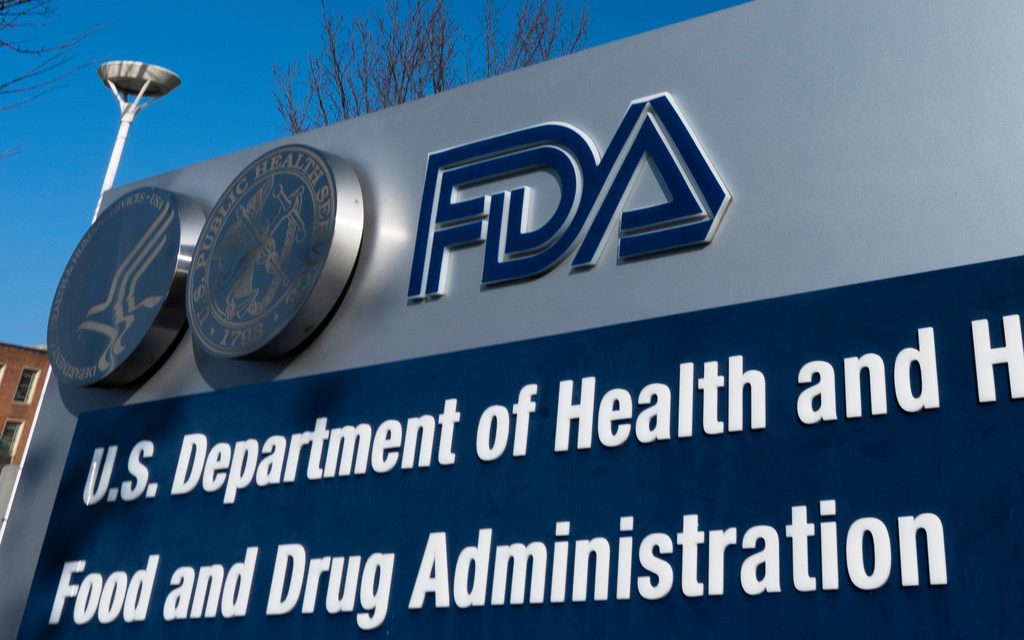
The U.S. Food and Drug Administration (FDA) plays a critical role in supporting biotechnology innovation, shown by the presence of their Silver Spring offices as of December 2020. However, America’s historical prominence in biotechnology is under threat from China. China now leads the U.S. in clinical drug trials and has greatly expanded its share of global drug development.
This shift is concerning beyond just the biotech sector. Countries that master the discovery, development, manufacturing, and commercialization of medical innovations gain significant advantages in economic competitiveness, national security, and public health.
Regenerative Medicine: An Opportunity
Despite these challenges, the U.S. has an opportunity to compete through regenerative medicine. This field includes biotechnologies like engineered tissues, biomaterials, and gene editing to mend or replace damaged cells and organs. The U.S. market for regenerative treatments is projected to reach $90 billion by 2030.
Yet to capitalize on this, a conducive policy environment is essential. American companies need regulations that encourage innovation and provide fair competition globally. This demands a flexible and swift regulatory process, offering certainty for innovators to produce solutions meeting patient needs.
“The consequences of delayed regulatory decisions are not hypothetical.”
An example of how regulatory delays affect businesses can be seen in a Florida-based company, Regenative Labs. This biotech firm develops patient products using donated birth tissue. Although effective domestically, it faces obstacles in international markets due to delayed FDA decisions on Certificate of Foreign Government applications required for exporting.
For three years, the company has been caught in a bureaucratic backlog supposedly resolved within 20 days by law, dating back to the Biden administration. Without timely decisions, Regenative Labs can’t expand overseas, placing them at a disadvantage compared to their unregulated foreign counterparts.
Broader Implications for Biotechnology
The issue goes beyond one company. It highlights how regulatory inaction stymies biotech progress, impedes manufacturing, and diminishes the U.S.’s standing in a burgeoning industry.
Biotechnology is a key industry of the 21st century. Countries leading in medical breakthroughs will define future developments. Ensuring this process occurs domestically is vital for maintaining America’s biotech leadership.
Though historically the leader in medical innovation, the U.S. risks losing its status. China aims to overtake America in global biotech leadership. Bureaucratic obstacles that hinder American innovators, while foreign competitors advance, threaten the strategic advantage America has cultivated.
American biotech’s benefits extend worldwide, improving care for many, including U.S. service members. Limiting access to new treatments for U.S. military personnel abroad would prevent potential health improvements.
Ensuring American Biotech Leadership
Maintaining U.S. leadership in biotech and global healthcare requires facilitating innovation that reaches patients. Effective regulation must offer clarity and timely decisions to support American businesses.
David Mansdoerfer, former Deputy Assistant Secretary for Health, underscores the need for transparency and prompt agency actions as pivotal to advancing health solutions and securing U.S. biotech dominance.