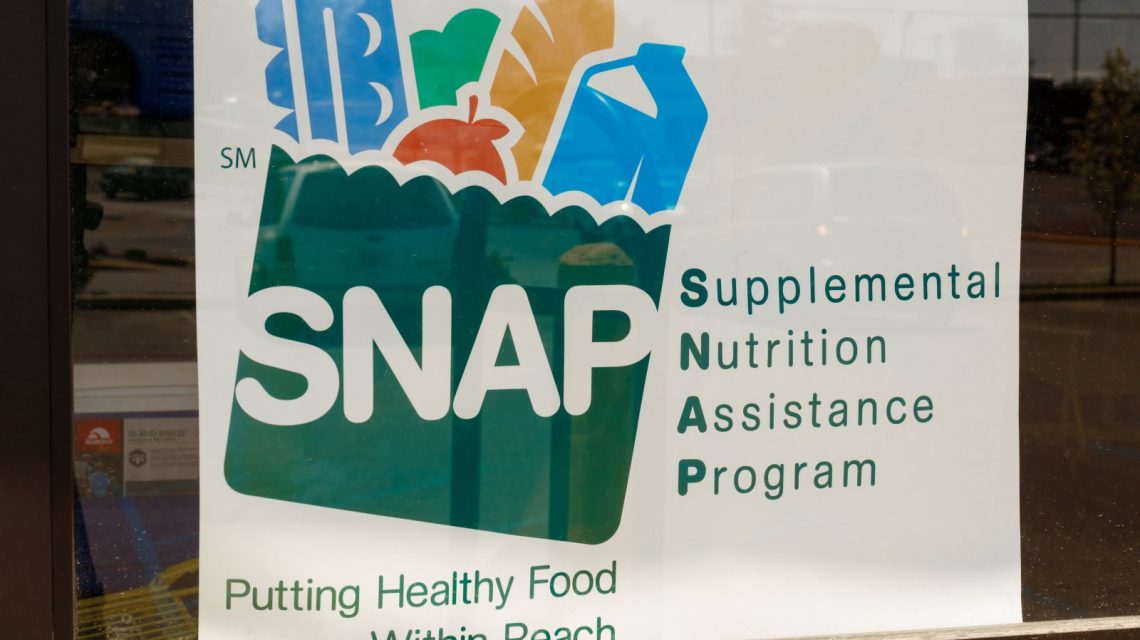
Nearly 2.7 million individuals receiving Supplemental Nutrition Assistance Program (SNAP) benefits across five states will encounter new purchasing limits over the coming weeks. This is part of the Trump administration’s initiative to eliminate soda, candy, and other items from SNAP benefits.
State-Specific Restrictions
South Carolina: Starting August 31, restrictions will prevent SNAP purchases of candy, energy drinks, and sweetened beverages. This includes sweetened tea, lemonade, and sweetened coffee, while diet and zero-sugar drinks will be allowed. South Carolina had 495,445 SNAP participants, a 12.7% reduction from a year earlier.
North Dakota: From September 1, North Dakota will restrict candy, energy drinks, and sweetened beverages with at least five grams of added sugar or artificial sweeteners. Products with less than 50% juice, like soda and bottled coffee, will also be restricted. There were 51,706 SNAP beneficiaries in the state.
Montana: On September 30, Montana will ban candy, high-sugar drinks, energy drinks, and shelf-stable desserts. Drinks with over 10 grams of sugar per eight ounces are restricted. Exemptions include certain artificially sweetened drinks and those with over 50% juice. Montana had 71,103 SNAP users in April.
Ohio: From October 1, Ohio’s SNAP will not cover beverages with sugar as a main ingredient, including all fountain drinks, affecting 1,341,017 recipients in April.
Virginia: Also beginning October 1, Virginia will cease SNAP coverage for sodas, including diet and artificially sweetened sodas. There are 710,416 participants in the state.
Debate Over SNAP Food Restrictions
This move supports the administration’s Make America Healthy Again initiative. Some nutrition researchers back these changes due to health concerns linked to sugary drinks. University of Pennsylvania researchers, for example, highlight the links between soda and health issues like weight gain and chronic disease.
Opponents argue that these restrictions limit consumer choice without addressing the reasons behind purchasing less healthy food. They advocate for promoting healthier choices through market expansions, community gardens, and nutrition counseling.
Expansion and Legal Challenges
Restrictions are also present in Arkansas, Florida, Idaho, Indiana, Louisiana, Oklahoma, Texas, and Utah. However, a legal roadblock emerged when a U.S. District Judge ruled against the USDA’s authority to impose certain restrictions, affecting states like Colorado and Tennessee.
The judgment has not vacated current waivers in Montana, North Dakota, Ohio, South Carolina, or Virginia, with new implementations proceeding.
SIGNIFICANT REDUCTION IN PROGRAM PARTICIPATION SNAP’s total caseload has seen a notable reduction in participants following legislative changes, including the One Big Beautiful Bill Act, which adjusted program requirements and eligibility, leading to a decrease in SNAP participation by over 4.5 million people nationwide.
 Dr. Heidi Overton’s Nomination for FDA Commissioner
  COVID-19 Infections on the Rise Across U.S., CDC Reports
  Leading in the Value-Based Care Economy
  Lifestyle Changes to Reduce Cancer Risk
  First Human West Nile Virus Case of 2026 Reported in New York City
  New CDC Director Pledges Advocacy and Transparency Amid Challenges