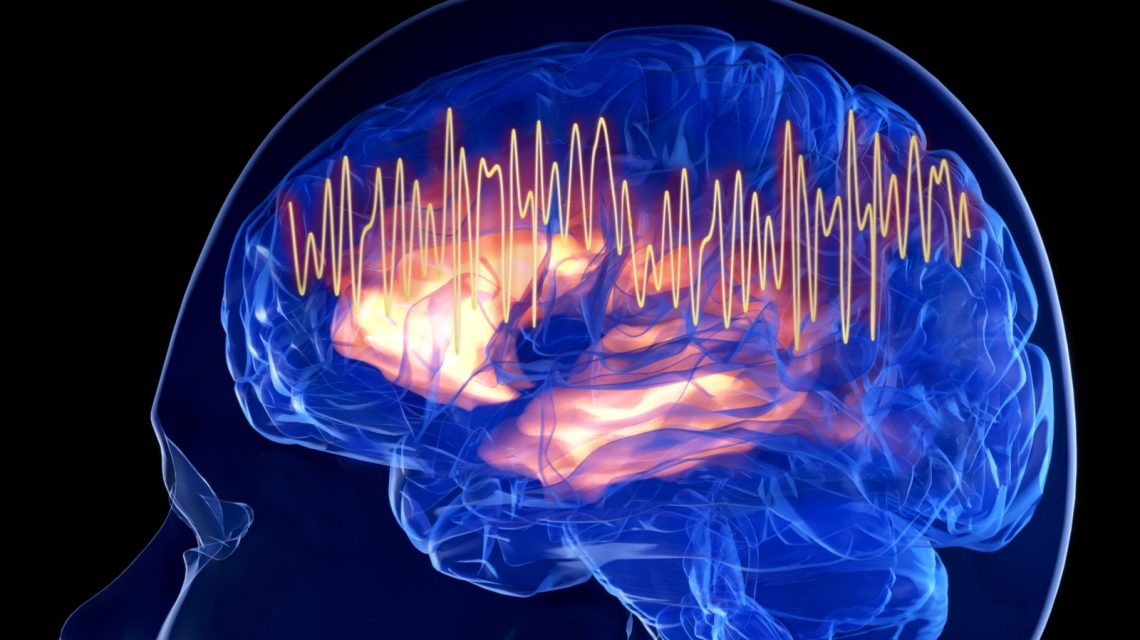
Adults with a history of childhood trauma may experience increased apathy later in life, according to recent research. The study reveals a connection between such trauma and changes in a brain region mainly associated with memory. Matthew Leahy, a licensed clinical psychologist, suggests that these findings offer new perspectives on apathy in individuals who endured trauma early in life.
Reinterpreting Apathy Symptoms
Leahy explains that what may seem like laziness or disengagement could involve alterations in the way individuals anticipate or respond to rewards. The study, conducted by researchers from Temple University and the University of Oregon, identifies a link between childhood trauma, apathy, and reduced ability to feel pleasure, termed anhedonia. This condition is described by the Cleveland Clinic as the “inability to experience joy or pleasure,” often linked to feeling emotionally numb and uninterested in hobbies.
Inability to Experience Joy or Pleasure
According to the Cleveland Clinic, anhedonia is a common symptom in many mental health conditions, including depression. The strongest effects of trauma appeared in individuals with disrupted hippocampal activity. The hippocampus is typically associated with memory but is now linked to motivation in this research.
Study Methodology
Researchers surveyed 92 people, comprising 37 men and 55 women, to explore their childhood experiences and pleasure derived from positive events in adulthood. The sample was intentionally chosen to include individuals more prone to anhedonia, although the size was small compared to other studies.
Participants underwent functional MRI brain scans to examine brain activity changes through blood flow. The focus was on the hippocampus and its connections to reward and motivation areas, such as the ventral tegmental area and the nucleus accumbens. The researchers assessed resting connections and hippocampal responses to new experiences during tasks.
Key Findings
Participants with childhood trauma were more likely to demonstrate apathy. The most significant effects were noted in those whose brain scans showed weaker connections between the hippocampus and reward-related brain areas. Reduced hippocampal activity correlated with greater anticipatory anhedonia—inability to look forward to enjoyable experiences.
Study co-author Vishnu Murty stated the research is unique in connecting the hippocampus with apathetic behavior, changing the traditional view of its role in memory sorting. The research team aims to identify specific targets within the hippocampus to restore pleasure experiences in trauma survivors.
Expanding Trauma Discussions
Leahy highlights that the study expands trauma discussions beyond fear and anxiety, suggesting trauma also influences motivation and reward systems. He warns against overinterpreting results due to the limited participant number and emphasizes the findings show an association, not evidence of permanent brain alterations.
Leahy stresses that childhood trauma does not predestine individuals to develop apathy or anhedonia. Instead, it provides a pathway to understand varied responses to adversity and potential treatment targets.
Reference: Murty, V. P., O’Brien, K. J., et al. (2026). Functional integrity of mesolimbic-hippocampal circuits is associated with anhedonia in individuals with early life stress. Journal of Neuroscience. https://doi.org/10.1523/JNEUROSCI.0274-26.2026
 Dr. Heidi Overton’s Nomination for FDA Commissioner
  Predicting Dementia Risk with Brain Age Assessment
  COVID-19 Infections on the Rise Across U.S., CDC Reports
  Leading in the Value-Based Care Economy
  Lifestyle Changes to Reduce Cancer Risk
  Choosing the Best Detox Tea for a Healthier Lifestyle