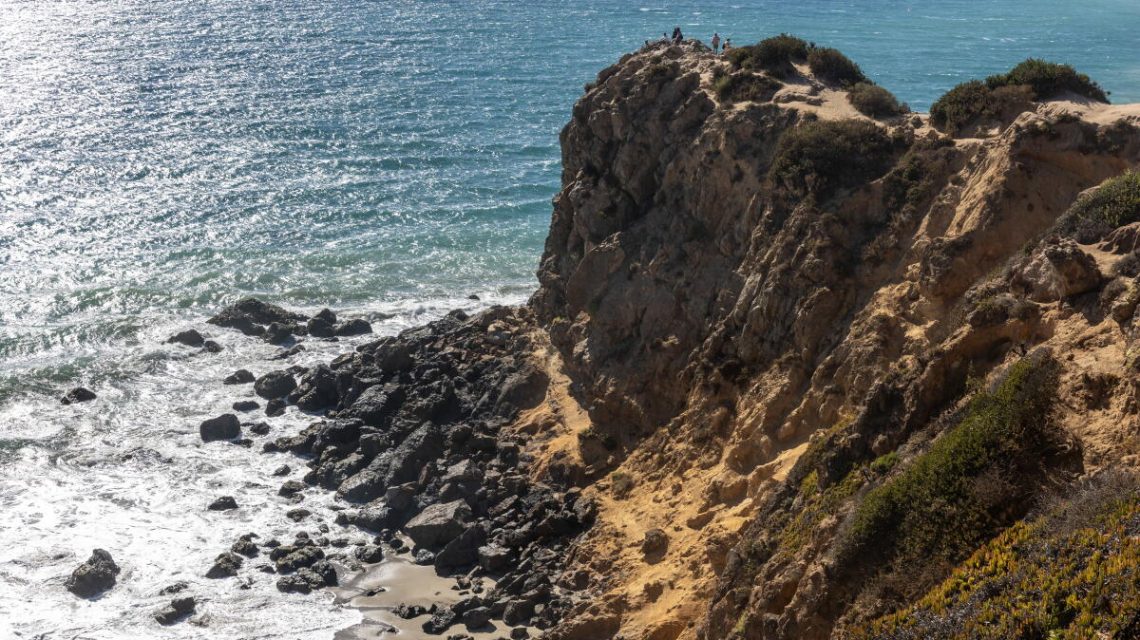
California’s Coastline Under Threat
California’s modern coastline faces unprecedented challenges. Rising ocean temperatures are elevating tide lines. Powerful Pacific hurricanes batter the coast with strong waves, damaging infrastructure and eroding beaches. Forecasts predict a strong El Niño this winter, promising further deterioration.
Beach erosion is dramatically altering popular spots like Carlsbad, Malibu, and Santa Cruz. At Point Dume Beach in Malibu, erosion threatens to collapse a critical road for parking lot access. Ocean swells from hurricanes have eroded 50 to 60 feet of sand, reaching the roadway according to Warren Ontiveros, deputy director of L.A. County’s Department of Beaches and Harbors.
Workers are building emergency revetments, placing rocks on the coast to protect the shoreline against waves, securing the sole vehicle access to Westward Beach.
Erosion, a persistent problem, shrinks the buffer protecting roadways. The sheriff’s department, fire services, and lifeguards rely on the road since they can’t drive on the beach during high tides.
Community Concerns and Actions
Communities along the coast express worries about access and safety. Significant erosion has already occurred at places like Pirates Cove at Westward Beach. A hurricane season influenced by El Niño has intensified such concerns.
Jonathan Warrick, a USGS research geologist, notes the extraordinary erosion affecting the coastline. The upcoming winter promises larger waves, increasing risks for coastal residents.
Past severe El Niño winters have led to considerable damage. The 1982-83 and 2015-16 events caused erosion and coastal infrastructure damage. Computer models estimate 24% to 75% of California’s beaches could be entirely eroded by 2100 without interventions.
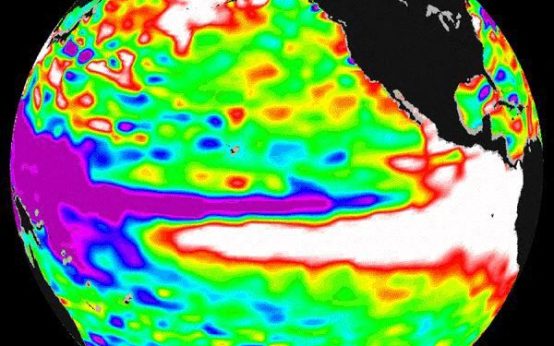
El Niño, a climate pattern warming the central and eastern tropical Pacific Ocean, shifts storm tracks and results in above-average precipitation over Southern California, impacting erosion and precipitation patterns.
Infrastructure and Environmental Impact
Infrastructure across California’s coast faces increased pressure. Recent climate events have worsened circumstances, even without El Niño influences. Winter storms during a recent La Niña season damaged piers and roadways.
Daniel Swain, a UC climate scientist, warns of significant coastal flooding risks, affecting roads like Highway 37 and sections of Highway 101 and Highway 1.
Laguna Beach locals worry about the proximity of lifeguard towers to waters affected by erosion. Providence measures like rock revetments, pump station rehabs, and storm drain maintenance are essential to withstand the upcoming severe conditions.
Long Beach residents are concerned about aging seawalls and their ability to withstand eventful weather.
Ventura and Orange Counties are preparing emergency measures for potential flooding and storm impact.
Challenges and Future Efforts
Some towns have faced sand erosion for decades. Oceanside has seen considerable beach reduction due to constructions that block sand replenishment.
Efforts like RE:BEACH, seeking funding for offshore reef construction, aim to preserve sand by breaking waves offshore.
Coastal advocates stress the need for long-term planning, suggesting infrastructure realignment to adapt to changing coastlines and preserve beaches.
Zach Plopper from Surfrider Foundation advocates for alternative solutions, viewing current measures as outdated.
 Atlantic Ends September Without a Hurricane for First Time Since 1994
  Bobcat Sightings and Conservation Efforts in Illinois
  2026 El Niño: A Historical Comparison and Future Projections
  U.S. Records Warmest September in History
  Swiss Glaciers Show Effects of Ice Loss Amid Global Warming
  Climate-Resistant Rock Glaciers: Hidden Water Resources