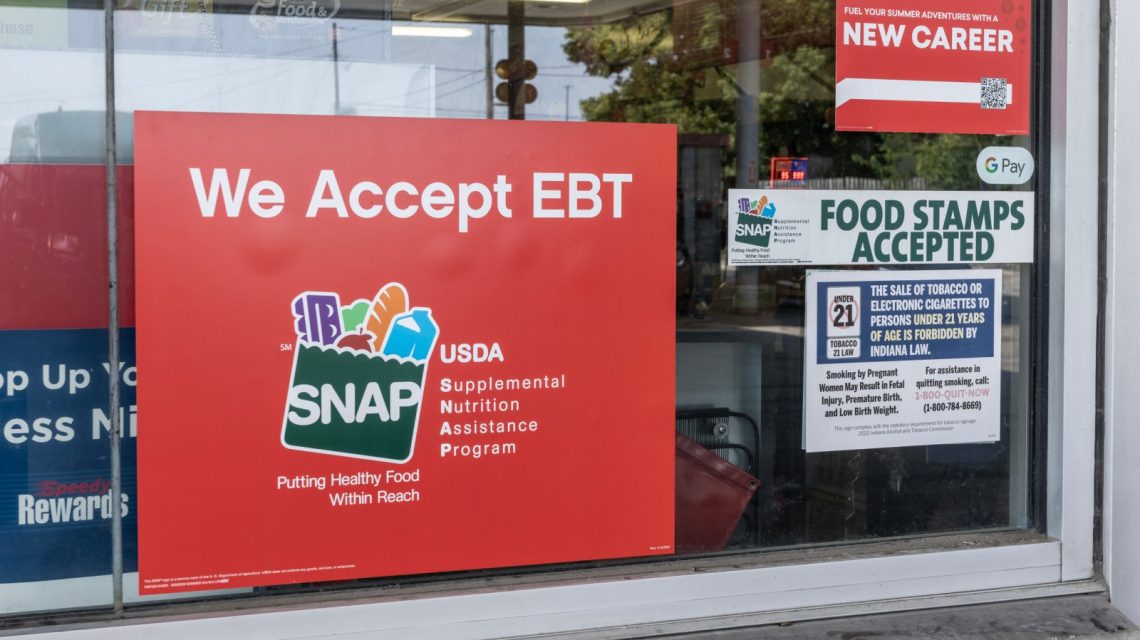
South Carolina and North Dakota have postponed the implementation of new restrictions on the Supplemental Nutrition Assistance Program (SNAP) following a federal court ruling that invalidated similar policies in other states. Initially set for early September, the changes will be delayed until November 1. This decision comes after guidance from the U.S. Department of Agriculture (USDA), which is still reviewing the court ruling and engaging in a public notice process.
Background on SNAP and Restrictions
SNAP provides essential support to low- and no-income households by subsidizing grocery costs. Since the second Trump administration began in January 2025, several states have petitioned the USDA for waivers that would prohibit using SNAP benefits to buy unhealthy foods and drinks. In South Carolina, the Healthy Food SC project was scheduled for August 31, while North Dakota’s Healthy Choice Waiver was slated to begin on September 1. The USDA had approved these initiatives in December 2025.
USDA’s Response to Court Ruling
An August 25 letter from the USDA’s Food and Nutrition Administration (FNA) to South Carolina’s Department of Social Services revealed ongoing reviews by the USDA’s Office of General Counsel and the Department of Justice due to a court order negating similar waivers in Colorado, Iowa, Nebraska, Tennessee, and West Virginia. A USDA spokesperson stated the department would not comment on ongoing litigation.
The USDA plans to publish a notice about South Carolina’s waiver in the Federal Register at least 30 days before it takes effect, advising the state to delay its project until November to allow for public input. North Dakota received a similar communication, requesting a postponement of its restrictions until November, following the publication of a Federal Register notice and review of public feedback.
Proposed Changes
Currently, SNAP funds can be used to purchase a wide range of food items like fruits, vegetables, meats, dairy, breads, snacks, and non-alcoholic drinks. Restrictions already exist for alcohol, tobacco, hot foods for immediate consumption, and non-food products. The proposed waivers would allow states to further narrow these rules.
North Dakota’s waiver would exclude sweetened beverages, some energy drinks, and candy. The exclusions apply to items with over five grams of added sugars or artificial sweeteners and drinks with less than 50% fruit or vegetable juice. Examples include soda, sweetened tea, lemonade, sports drinks, and certain coffee beverages. Items like milk, unsweetened drinks, and 100% juice would remain eligible.
South Carolina’s proposal targets candy, energy drinks, soft drinks, and sweetened beverages but differs in its specifics. Diet sodas and zero-sugar drinks remain eligible, while milk-based drinks and beverages with over 50% natural juice without added sweeteners are excluded.
These restrictions only apply to the use of SNAP benefits for purchasing these items. Recipients may still buy restricted products using other payment methods.
Legal Developments
The delay in implementing these measures follows the June 22 ruling in the Aragon v. Rollins case. Brought by SNAP recipients from several states, the lawsuit challenged the USDA’s approval of such waivers. U.S. District Judge Amy Berman Jackson found that the USDA used inappropriate legal authority, as the provision relied on aims to improve SNAP administration, not diet or health outcomes. The judge also noted the absence of a prior Federal Register notice 30 days before enactment. As a result, waivers for five states were vacated. This ruling does not directly affect North Dakota or South Carolina as they were not part of the case.
Federal Direction and Future Steps
These waivers are part of the Trump administration’s Make America Healthy Again initiative. The USDA, led by Agriculture Secretary Brooke Rollins, has encouraged states to focus SNAP’s goals on nutritional improvements. To date, 23 states have received waiver approvals, though five were nullified by the recent court decision. Restrictions vary by state but often target sugary and high-calorie foods.
North Dakota and South Carolina will continue following existing SNAP purchasing rules until the review process concludes and updated restrictions potentially go forward in November.
 Activists Push for Nationwide Ban on Child Marriage in the U.S.
  Democratic Hopes and Historical Warnings in 2026 Senate Race
  Republicans Face Challenges Amidst Cost of Living Concerns
  A Different Kind of Fall for Congress This Year
  Cornel West and Sean Hannity Discuss Differences on Podcast
  Trump Unveils AI-Powered America.gov Platform