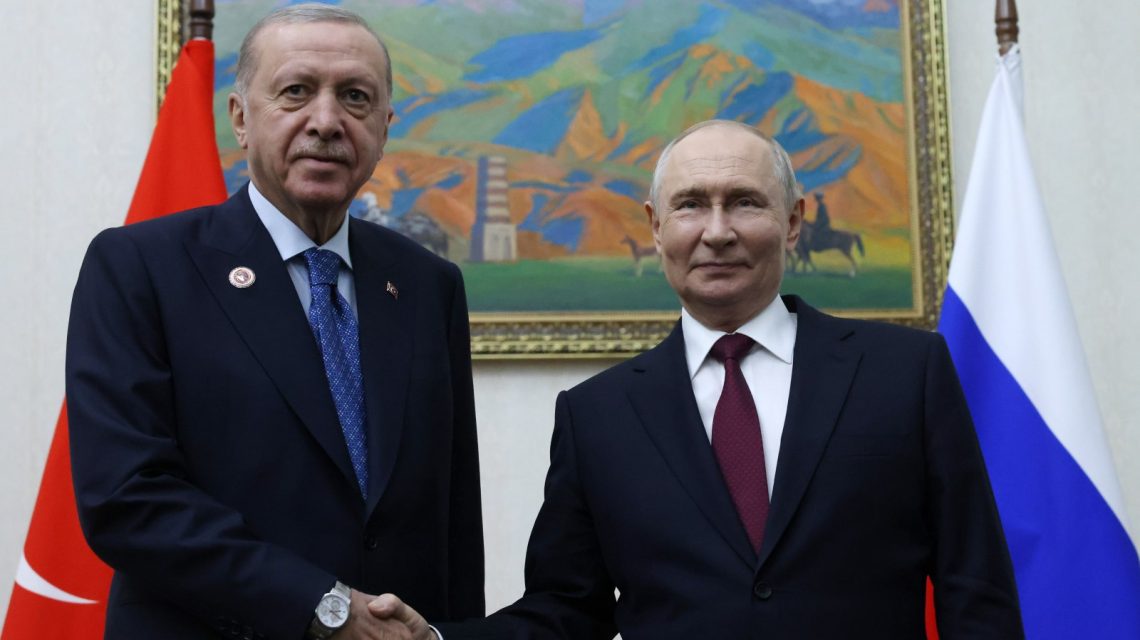
Russian President Vladimir Putin controls two potent nuclear arsenals. One consists of thousands of weapons capable of global destruction. The second, potentially more influential, lies in Russia’s civilian nuclear program. This program stands as a testament to Moscow’s enduring power and prestige.
The Civilian Nuclear Advantage
Russia’s civilian nuclear energy capabilities offer a unique leverage point for the Kremlin. In recent days, this power has manifested in several tangible ways.
Turkey, a NATO member, has expressed interest in Russia building several nuclear power plants. At the same time, Russian officials have provided Iran with a draft agreement to construct small nuclear reactors. Furthermore, Russia’s state-owned nuclear corporation, Rosatom, has signed a deal to restore nuclear power in Kazakhstan for the first time since 1999.
While the United States and Europe attempt non-military means to isolate Russia, Russia’s expertise in civilian nuclear energy presents a strategic challenge. Rosatom’s reactors are intended for long-term operation, making them difficult targets for Western disarmament efforts.
Western Efforts to Counter Russian Power
In recent years, Western nations have focused on diminishing Russian power to deter aggression in Ukraine. Sanctions targeting Russia’s oil and gas exports have aimed to cut funding for its military endeavors.
While oil is a commodity Russia sells for profit, nuclear power represents something more complex. Rosatom positions itself at the core of critical infrastructure, supplying technology, engineers, and financial resources to other countries.
Depending on the contract, Rosatom’s influence can vary, with some countries relying heavily on Russian involvement. For example, the Rosatom-led construction of the Balkhash Nuclear Power Plant in Kazakhstan, where local control still exists, contrasts with Turkey’s Akkuyu NPP, fully owned and operated by Rosatom.
Challenges and Opportunities
Rosatom maintains an extensive global presence. As of February, 20 Russian reactors were under construction in foreign countries, including NATO and EU members. This broad influence highlights Rosatom’s dominance in the nuclear sector.
The corporation claims a substantial share of the global uranium-enrichment-services market. Ties with countries like Turkey, Iran, and Kazakhstan emphasize Russia’s potential for global energy influence.
The ongoing construction of Turkey’s Akkuyu NPP illustrates this complexity. Originally set to function in 2023, the project faces delays due to Western financial sanctions. These obstacles impact schedules and costs, prompting Turkey to explore alternative nuclear partnerships with other countries.
Similarly, Hungary’s Paks-II NPP has encountered setbacks, with German authorities withholding necessary export licenses. Hungary has subsequently looked to U.S.-based companies for alternative solutions.
The Strategic Implications
Despite hurdles, Rosatom’s influence remains significant. The corporation’s growing overseas order book, valued at over $200 billion, underscores the commitment of foreign governments to Russian nuclear solutions.
This reliance grants Russia an enduring presence in global energy markets. While Western sanctions have targeted many facets of Russia’s economy, Rosatom manages to maintain critical international relationships.
The Broader Nuclear Context
While Russia’s military nuclear arsenal represents a formidable threat, Rosatom’s civilian accomplishments offer a different kind of strategic value. Possessing extensive nuclear expertise ensures sustained interest from a range of governments.
Countries are incentivized to sustain their associations with Rosatom due to significant sunk costs and the ongoing need for energy solutions. This alliance serves Russia’s long-term geopolitical goals, giving Moscow a substantial role on the world stage.
 Trump Unveils AI-Powered America.gov Platform
  Trump’s 2024 Campaign Targets Young Men Through Cryptocurrency
  How Modern Windows Improve Home Insulation
  State Department Simplifies Passport Process with Online Applications
  Senate Democrats Block Data Center Bill Over Efficiency Concerns
  Future Cities: Ambitious Projects Aiming for Innovation and Sustainability