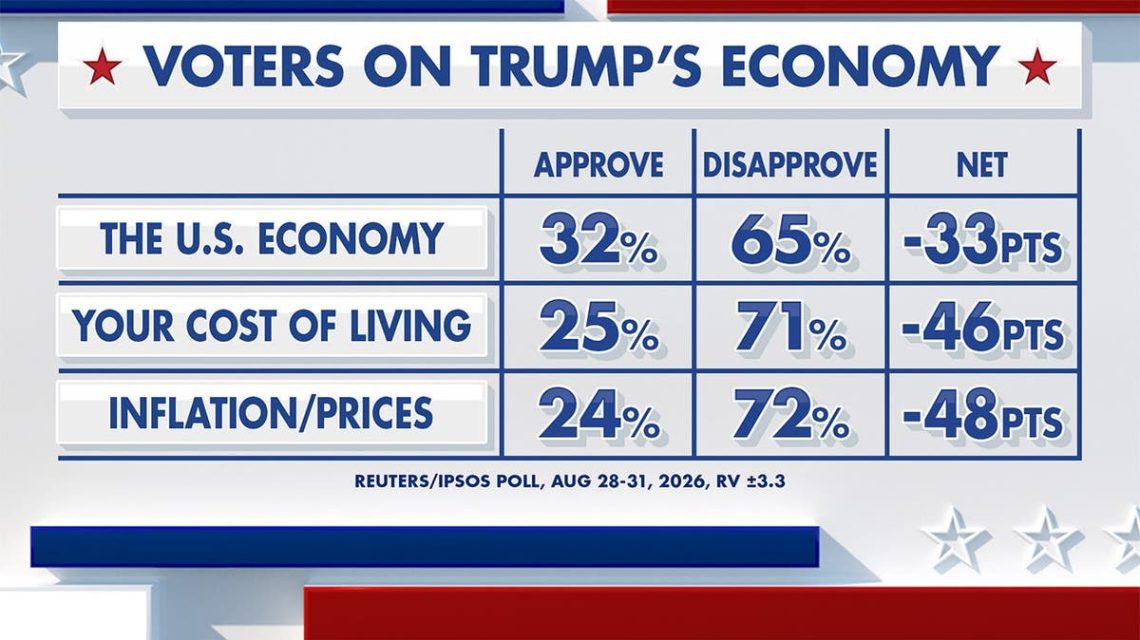
Janelle King, co-chair of Let’s Win for America Action, analyzes a Fox News poll that highlights economic dissatisfaction among voters. King notes that while President Trump promotes “Trump accounts” as beneficial in the long run, voters are feeling immediate financial strain. She also highlights the increasing influence of far-left views in pivotal Midwest primaries, emphasizing a shift toward emotional voting.
In eight weeks, millions of Americans will elect their next congressperson. Multiple polls indicate the economy will be a crucial factor in their choice, marking it as the top issue. While voters are discontent with President Trump’s economy, that doesn’t necessarily translate to enthusiasm for the Democratic alternative.
The Economy as a Central Election Issue
The economy’s significance in elections has remained constant since the early ’90s when Democratic strategist James Carville coined “the economy, stupid” as a campaign focus. It has consistently ranked among the top three issues during the Trump era, including the last two midterm elections.
In 2022, the economy was the most critical concern for 47% of voters; in 2018, it ranked lower at 18%. Healthcare and immigration took precedence that year, leading to a Republican loss of 42 seats.
Carville’s three rules included healthcare as a key focus alongside the economy.
The Economy’s Varied Meanings to Voters
When pollsters assess voters’ views on the economy, they often query the importance of “the economy” or satisfaction with Trump’s handling of it. While Trump shows a strong economic record, with 162,000 jobs added last week and a stable unemployment rate, personal financial situations tell a different story.
Issues like gas prices, food costs, and general inflation contribute to disapproval ratings on economic matters. In a recent Reuters/Ipsos poll, only 32% approved of Trump’s economic performance.
Voter Skepticism Toward Economic Optimism
In 2022, President Biden faced similar challenges with economic recovery overshadowed by persistent inflation. Despite positive messaging around unemployment rates and inflation, voters opted for GOP representation, leading to a net loss of Democratic seats.
Currently under Trump, economic optimism faces skepticism as gas prices and inflation remain concerns. Vice President JD Vance’s comments about potential cost increases pose challenges similar to those faced by Biden’s administration.
Alternative Economic Visions Uninspiring
While it seems the Democrats might gain in the upcoming elections, polls reveal discomfort with left-wing economic messages. Competing visions include Medicare-for-all or adjusting Trump’s agenda while retaining economic foundations.
Polls indicate a lack of clear preference between Republican and Democrat economic policies, highlighting voter indecision.
Democrats lead slightly in the seat count for November’s elections, with 212 seats over the GOP’s 206. However, 17 seats remain tightly contested.
State-Specific Forecasts in Missouri and Ohio
In Missouri, a Supreme Court ruling blocked new Republican-favored district maps, affecting Democrats’ solid positioning in the 5th District.
Ohio presents competitiveness in three races. Allegations against Republican Max Miller increase the competitiveness of his district, while demographic compositions in other districts within Ohio make them potential Democrat targets.
Democrat Sherrod Brown’s strong Senate running could also sway local Congressional races.
Both Missouri and Ohio races illustrate the impact of local issues on national forecasts.
 Activists Push for Nationwide Ban on Child Marriage in the U.S.
  Democratic Hopes and Historical Warnings in 2026 Senate Race
  Republicans Face Challenges Amidst Cost of Living Concerns
 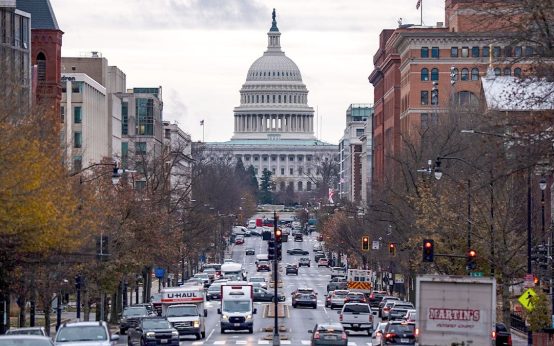 A Different Kind of Fall for Congress This Year
 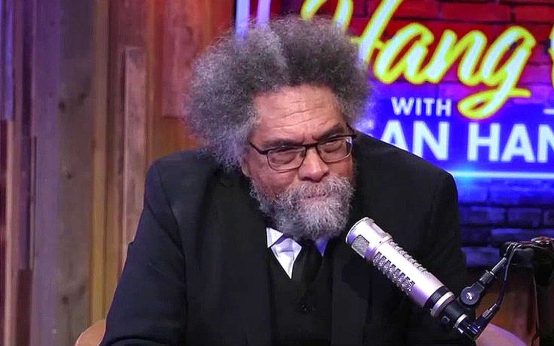 Cornel West and Sean Hannity Discuss Differences on Podcast
 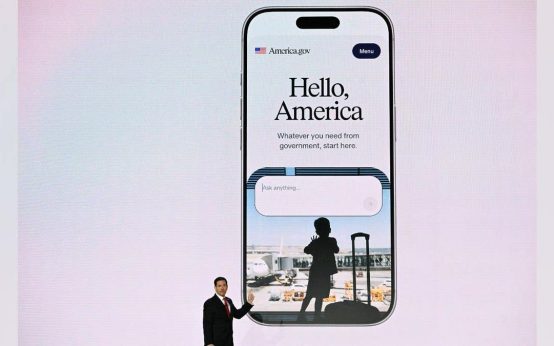 Trump Unveils AI-Powered America.gov Platform