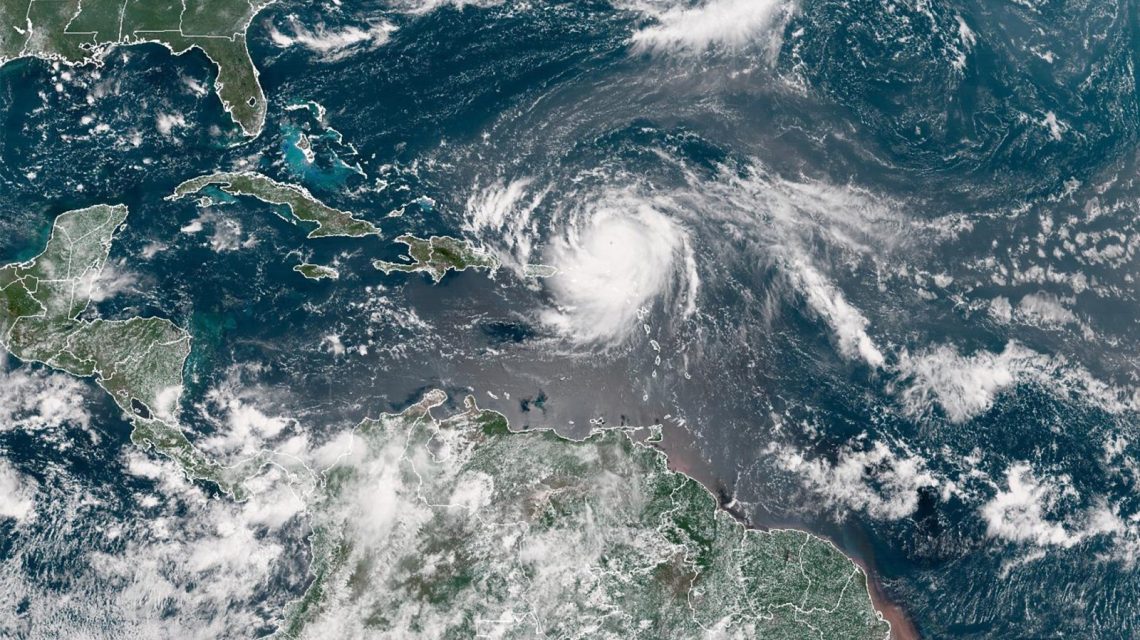
The Atlantic basin stands a chance of seeing its first hurricane-free season in over 100 years unless a hurricane forms soon, according to AccuWeather. Presently, meteorologists forecast that El Niño is strengthening and likely to reach a robust stage by the year’s end. The chances exceed 90% for a significant El Niño event taking shape during fall and winter. Earlier projections already hinted at a relatively quiet hurricane season, influenced partly by this climatic phenomenon.
Understanding El Niño’s Impact on Hurricanes
El Niño represents the warm phase of the El Niño-Southern Oscillation (ENSO). It’s a Pacific climate cycle that impacts global weather patterns. La Niña, the cooler phase, differs in its effects. El Niño can bring about stormier weather in the Southern U.S., drier conditions in parts of the north, and shifts in hurricane activity.
Matthew Rosencrans from the National Oceanic and Atmospheric Administration stated, “El Niño conditions generally align with a reduced number of tropical storms and hurricanes, especially in the western Atlantic.” However, it can lead to increased activity in the eastern and central Pacific.
Potentially Historic Atlantic Hurricane Season
AccuWeather noted in communication with Newsweek that, as of September 10, no Atlantic hurricane had formed, despite this date marking the season’s typical peak. Lead hurricane expert, Alex DaSilva, emphasized the rarity of going through September without a hurricane, attributing it to strong El Niño conditions that create disruptive wind shear.
Historically, the Atlantic has twice recorded seasons with no hurricanes, in 1907 and 1914, predating current satellite technology advancements that have enhanced storm tracking. The latest recorded instance of a first hurricane formation in the satellite era was on September 11, in 2002 and 2013.
This year, five named storms appeared, but none transitioned to hurricanes. The challenges include persistent wind shear, dry air, and Saharan dust. Although no hurricanes have developed, AccuWeather warns of tropical storms capable of causing significant damage through flooding and strong winds.
September typically offers the best chance for hurricane formation, but with the end of the month approaching, focus shifts to October and November—months when tropical activity wanes.
Statistics reveal that 24% of hurricanes since 1966 emerged post-September; this figure drops to 19% during El Niño-driven years. AccuWeather meteorologist Nicholas Arman points to increasing wind shear as a primary hurdle, exacerbated by an active jet stream which increases disruption in the storm-conducive environment. Early cold fronts and reduced solar energy can also inhibit storm development in the Atlantic’s main development region.
 Swiss Glaciers Show Effects of Ice Loss Amid Global Warming
  Climate-Resistant Rock Glaciers: Hidden Water Resources
  Senators Reach Bipartisan Agreement on Permitting Reform
  Experts Warn of Critical Period for the Colorado River
  Future Cities: Ambitious Projects Aiming for Innovation and Sustainability
  Supreme Court Case Suncor vs. Boulder: Implications for Accountability in Climate Change