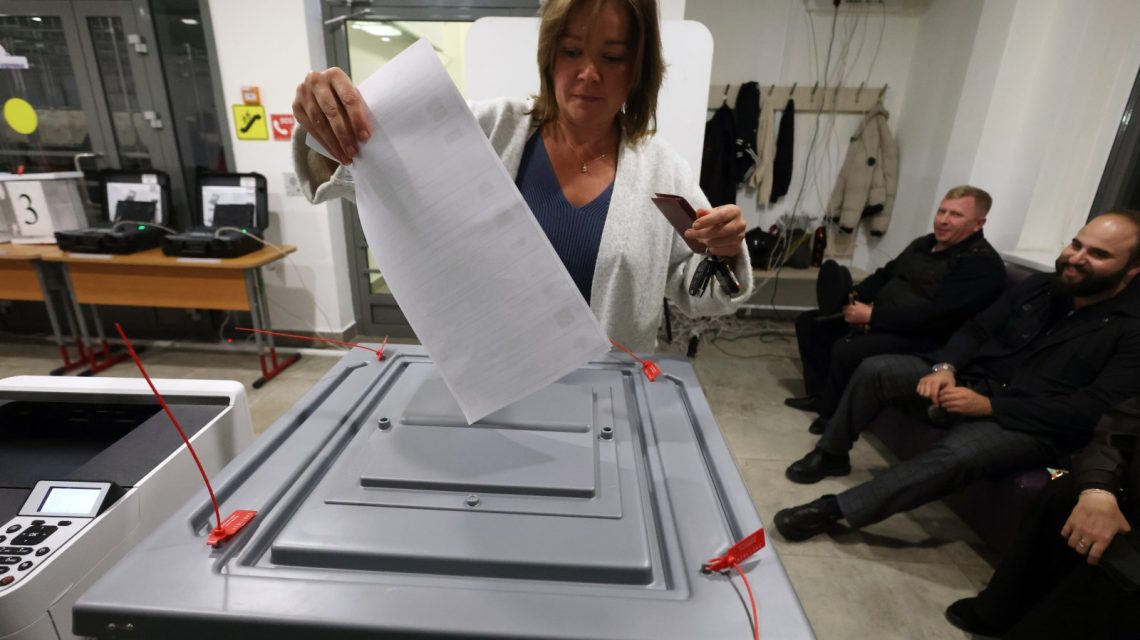
The United Russia party has secured a record number of seats in the State Duma, potentially reinforcing President Vladimir Putin’s aggressive stance in Ukraine. Russia’s Central Election Commission (CEC) announced that United Russia will hold 355 out of 450 seats, surpassing its 2016 record of 343 seats. This victory stems from nearly 58 percent of the party-list vote and dominance in single-member districts, although the election was marred by allegations of ballot stuffing and inflated turnout figures amid high inflation and U.S. sanctions.
Sergei Guriev, a Russian economist and dean of London Business School, stated that Putin might use this electoral result to validate economic hardships Russians face as a consequence of the war. Putin has already warned about the war’s financial burdens, and this electoral win might be perceived as public support for these costs, even if that perception is not accurate.
Speculation on Military Mobilization
There is growing speculation about a possible mobilization of troops, despite Kremlin denials. Following a partial mobilization in 2022, infrastructure for future call-ups has reportedly improved. Bloomberg indicates that Russian elites are moving assets abroad, fearing they could be conscripted. According to Guriev, drafting soldiers by force may become a more cost-effective option for Putin.
Election as a Referendum on War
The Yabloko party, known for its anti-war stance, was barred from the election, raising doubts about its fairness. United Russia increased its vote share by 8 percentage points compared to 2021, achieving a turnout of nearly 60 percent. However, analyst Farida Rustamova described this turnout as unrealistic.
United Russia’s success ensures a submissive parliament, important for the Kremlin amid unpredictable war outcomes. Alongside United Russia, the Communist Party will have 40 seats, with the Liberal Democratic Party, New People, and A Just Russia sharing the remainder. Russian Foreign Minister Sergey Lavrov and Medvedev have reiterated support for Putin’s foreign policy goals, portraying this electoral result as evidence of backing for his war efforts.
Political scientist Tatiana Stanovaya suggests that Putin interprets the election results as support for the war, although there is a growing public desire for its conclusion. This sentiment has not yet materialized into increased support for other parties.
The War’s Economic Impact
Guriev explains that the war is increasingly creating economic challenges for Putin. Officials have issued concerning financial forecasts, with the head of Sberbank, German Gref, warning of stagnation. Other economists have faced repercussions for their pessimistic analyses. The economic strains are exemplified by drone strikes impacting Russian businesses and petrol shortages, making the consequences of the war more immediate for Russians.
Criticism from officials could signal a shift in opinion among those close to Putin. The reluctance of some to voice concerns directly to Putin suggests challenges in communication and political positioning as officials anticipate potential changes in Russia’s leadership.
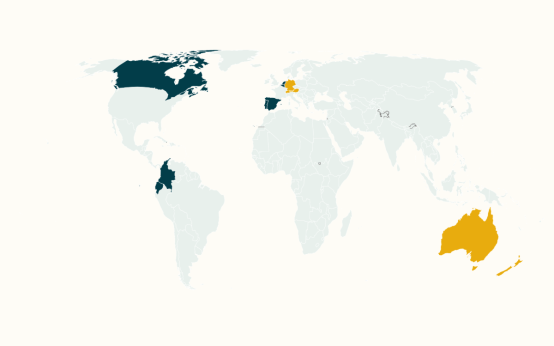 Dutch Review Board’s Euthanasia Ruling and International Debate
 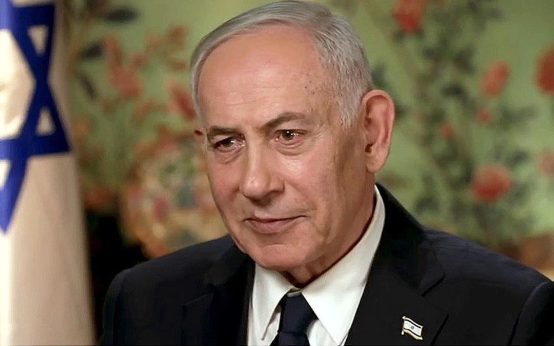 Israeli PM Commends Heroic Actions in Flight Emergency
 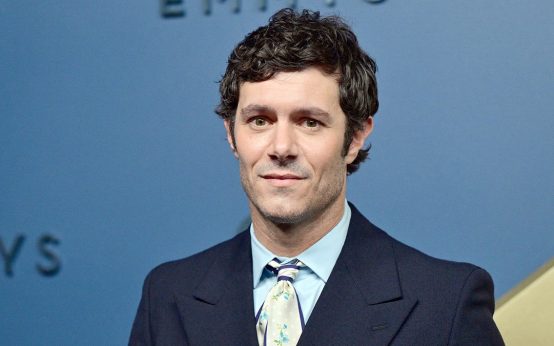 Rabbi and Jewish Leaders Criticize Adam Brody for ‘Genocide’ Comment
  Flydubai’s Emergency Landing Highlights Cockpit Security
 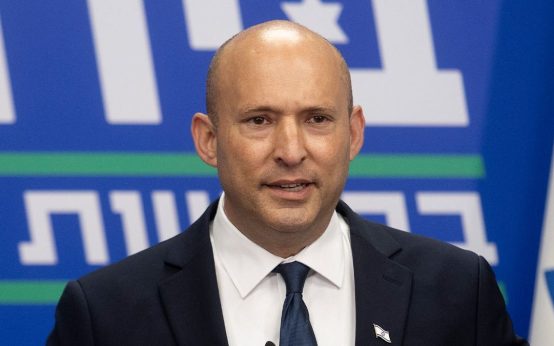 Former Israeli PM Naftali Bennett Commends Passengers and Crew for In-Flight Heroism
 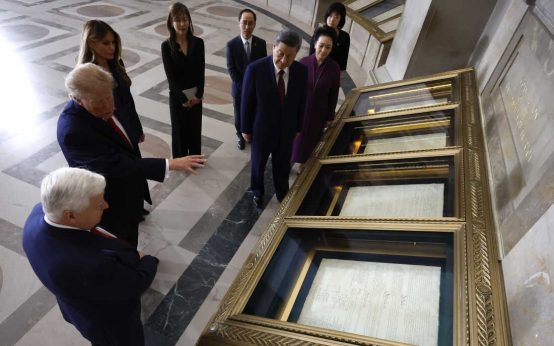 Diplomatic Complexities Unfold at U.S. National Archives Visit