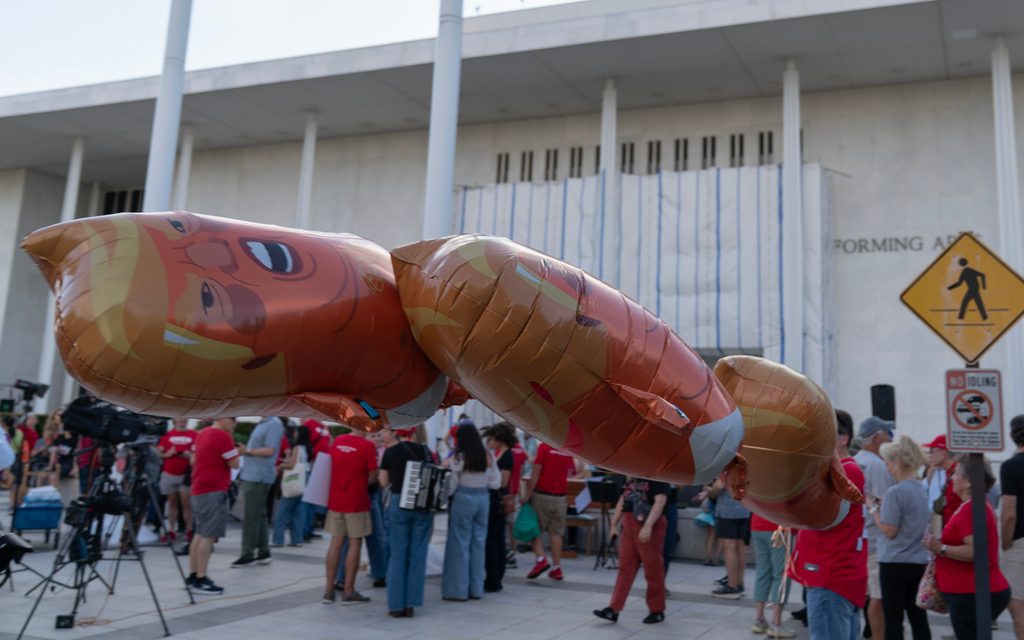
On September 18, 2026, a rally took place in Washington as people protested the closing of the John F. Kennedy Center for the Performing Arts. The event was marked by the flyover of Donald Trump balloons, symbolizing discontent with the administration’s decisions. The Trump administration, known for its contentious actions, continues to provoke public outcry with sudden and often controversial policies.
The list of grievances includes dismantling the East Wing of the White House and engaging in a conflict with Iran. Moreover, the administration reduced Big Ears National Monument by 90 percent and attempted to convert Hains Point into a luxury golf course. Other actions included dismissing the Librarian of Congress without clear justification, criticizing the Smithsonian’s focus on the history of slavery, and a claimed personal financial gain of $2.2 billion through the presidency in 2025. Furthermore, media outlets like CNN, MSNBC, and Politico were barred from the White House.
However, the potential closure of the Kennedy Center appears to stand out as an especially contentious issue. President Trump allegedly threatens to shut down or demolish the center unless his name is affixed to its facade. This is perceived as an unreasonable demand, drawing parallels to destructive acts like dismantling iconic landmarks such as the Eiffel Tower or the Taj Mahal.
The reasoning behind the push for Trump’s name on the Kennedy Center is questioned, given his limited involvement in the arts. He was a New York-based developer, casino mogul, and owner of golf courses, with no notable support for the arts, apart from organizing the Miss Universe contest. During his presidency, his visits to the Kennedy Center were sparse, with no attendance at the Kennedy Center Honors during multiple years. The 2020 event was postponed due to the COVID-19 pandemic.
Trump’s obsession with the Kennedy Center escalated in 2025 when he replaced board members with loyalists who elected him as chairman. They ordered the inclusion of his name on the building, with his ally Richard Grenell tasked with revamping its art collection. This period saw a decline in the center’s popularity; artists ceased performances, donors withdrew, and ticket sales declined drastically.
A legal order mandated the removal of Trump’s name from the Kennedy Center. In response, the administration covered the building’s front with an unpleasant tarp. A natural disaster caused structural damage, prompting the center’s board to halt renovations unless the court’s order permitting the name change was reversed. This led to the center’s closure, depriving the area of a cultural hub and undermining a symbol of bipartisan collaboration originally supported by Dwight Eisenhower and John F. Kennedy.
The Kennedy Center, envisioned as the National Cultural Center, reflected a cooperative spirit. Renamed after Kennedy’s assassination, it served as a memorial and a venue that welcomed diverse arts. President Kennedy emphasized the nation’s embrace of grace and beauty, a sentiment echoed by George Stevens Jr., co-creator of the Kennedy Center Honors, who highlighted its enduring bipartisan legacy.
 The Trump Team’s Challenge to the Military Leadership
  Cargo Plane Crash at Miami International Airport
  Maryland First State to Restrict Electronic Pricing in Grocery Stores
 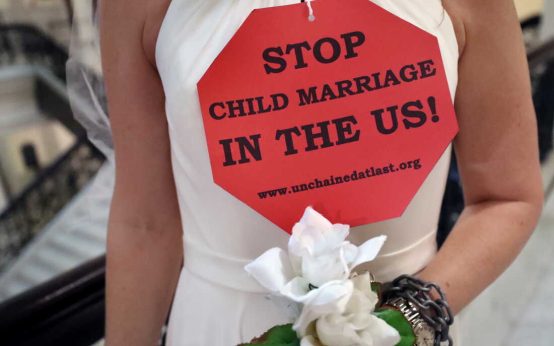 Activists Push for Nationwide Ban on Child Marriage in the U.S.
  Marine Veteran Suing Oregon School District Over Curriculum Reimbursement
 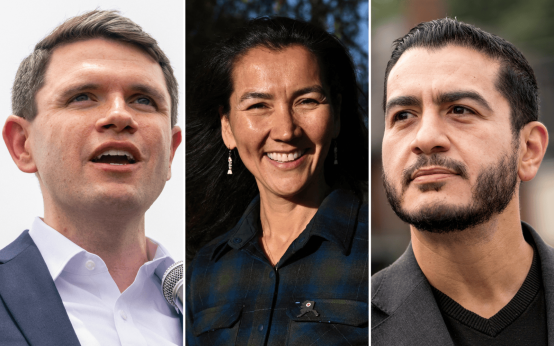 Democratic Hopes and Historical Warnings in 2026 Senate Race