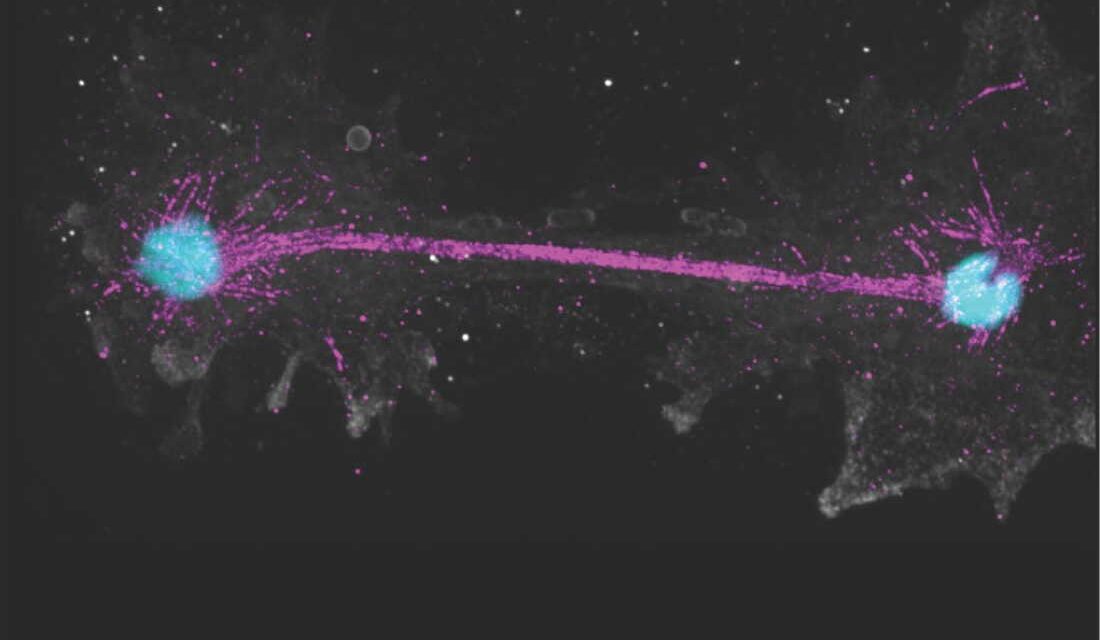
Syracuse University microbiologist Angela Oliverio explores the limits of life in extreme conditions. She aims to understand boundaries in microscopic life similar to how elite athletes push human limits. Oliverio studies extremophiles, organisms thriving in harsh environments like high temperatures. Simple organisms like bacteria and Archaea live at or above the boiling point of water, 212°F. However, eukaryotes, including humans and amoebas, have been less studied in these conditions.
PhD student Beryl Rappaport highlights that few eukaryotes have been detailed. Recent discoveries include the Incendiamoeba cascadensis or ‘fire amoeba of the Cascade mountain range.’ This single-celled organism was discovered in Lassen Volcanic National Park and marks a new temperature threshold for complex cells, replicating at 145°F.
The discovery occurred after sampling in a geothermal spot in the park. Using specialized tools, researchers collected samples, later revealing under a microscope the unique movements of the amoeba. Living and replicating at such high temperatures positions this amoeba at a new record for complexity among organisms.
Exploration into the fire amoeba’s genome revealed its ability to stabilize proteins and membranes in heat. Oliverio sees potential in these findings for broader life searches. The amoeba’s resilience implies possible applications in developing heat-resistant crops or broadly stable drugs. Though complex, evolving these findings into significant impacts remains challenging, as Rutgers University’s Debashish Bhattacharya notes. Nonetheless, the discovery adds a fascinating new dimension to extremophile research, suggesting unforeseen potentials in persistent exploration.
Bhattacharya adds that extremophiles typically streamline their genomes to survive in harsh settings. Surprisingly, the fire amoeba has a more extensive genome, indicating a unique evolutionary path. Oliverio anticipates this discovery to catalyze further searches for other complex, high-temperature organisms, potentially breaking existing temperature records for complex life. She remains optimistic about the continual exploration of life’s capabilities under extreme conditions.
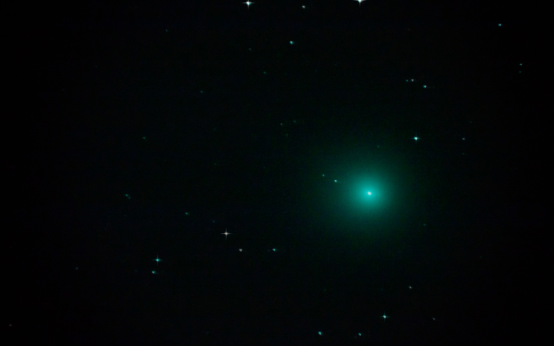 Scientific Debate Surrounds Mysterious Object Near the Sun
 Voyager 1 Reaches Light-Day Distance from Earth
 The Value of Kindness: New Research Insights
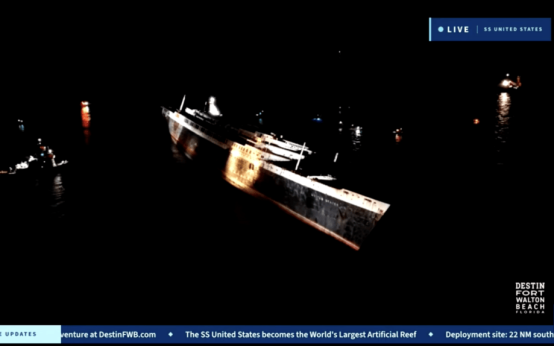 SS United States Transformed into World’s Largest Artificial Reef
 Mini-Moon 2026 QQ8 Temporarily Orbits Earth
 California Approves Proposition 38 for Health Research Funding