
Every year, millions of Americans experience concussions. Although frequently linked to head impacts in sports, concussions occur across all age groups. They are especially prevalent among older adults, with 13 percent having suffered a traumatic brain injury (TBI). Most TBIs in this demographic result from falls, with over 80 percent being concussions.
Recent research indicates that concussions can significantly affect long-term brain health. Studies have shown an 18 percent increase in the risk of developing Alzheimer’s disease for those who have experienced a concussion. This highlights the importance of monitoring and managing head injuries across all ages, not just among athletes.
Fall prevention strategies and awareness programs for older adults play a crucial role in reducing the occurrence of concussions. Simple steps like improving household safety, conducting regular medical check-ups, and engaging in physical activities to enhance balance and strength can help prevent falls.
 Understanding Inflammation: Myths and Facts
 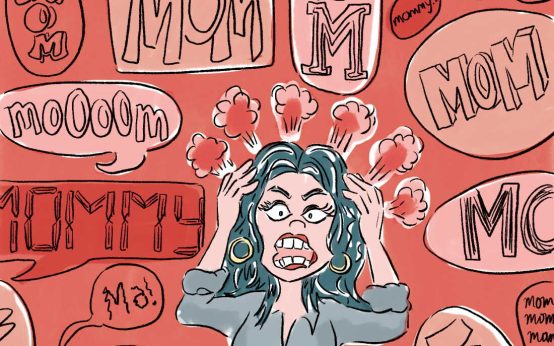 Calm Parenting: Strategies to Manage Stress
  Trump’s Executive Order to Combat Mosquitoes and Ticks in D.C.
  Overcoming Weight Loss Challenges: Brain Health and GLP-1 Medications
  Supporting Children’s Mental Health at Home: Practical Steps for Parents
  Abdul El-Sayed’s Strategy to Attract Health-Conscious Voters in Michigan