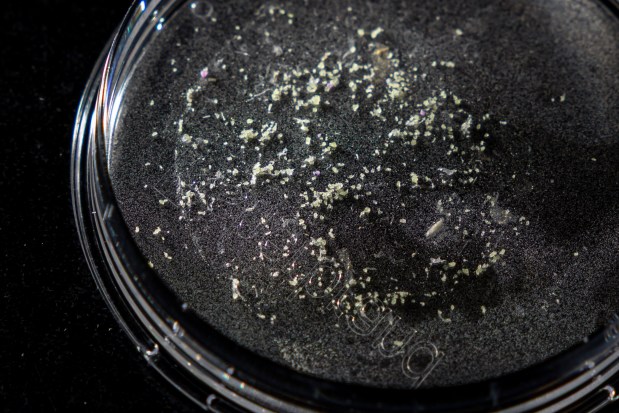
Melissa Duhaime spent over a decade studying the Great Lakes’ plastic waste, facing psychological challenges from frightening discoveries and limited solutions. Corporations plan to increase plastic production, but Duhaime found hope in an ancient alternative: flax. This plant, once utilized in Mesopotamia, offers a path to create eco-friendly fabrics instead of synthetic ones that release plastic fibers during laundering.
Flax seeds are already valued for their nutritional versatility, but their stems can replace petroleum-based carbon fiber in cars and construction materials. Duhaime sees potential for a new manufacturing sector focused on flax fiber production and processing. Farmers and major companies have shown interest, hinting at economic opportunities.
“Our farmers are interested, some big companies are interested. We have the potential to create a new manufacturing sector when it comes to the growing and processing of (flax) fibers, spinning and weaving them, and developing new products.” — Melissa Duhaime
Researchers like Duhaime are part of a growing effort against plastic proliferation. While some advocate for legislative measures and international agreements to curb plastic output, others innovate sustainable alternatives.
Duhaime, alongside researchers and environmental advocates, highlights the devastating impact of plastic waste, with over 8 billion tons clogging the planet. The Great Lakes alone receive 22 million pounds annually, half of which settles in Lake Michigan. This pollution risks the health of 40 million people reliant on these freshwater sources.
She explains how microplastics, decomposing goods no bigger than rice grains, link to heart and brain diseases. Nanoplastics could pose even greater risks. Research shows plastics derive toxins from the environment, affecting aquatic life in the lakes.
“We are turning our lakes and oceans into unpermitted landfills with profound impacts.” — Judith Enck, founder of Beyond Plastics
As a mother and biologist, Duhaime’s concern extends beyond papers; she moved to a farm and focused on sustainable living. This pivot led her to flax cultivation, encouraging the revival of flax-based industry. Her collaboration with Rebecca Burgess seeks to restore traditional textile production akin to the farm-to-table movement.
Weaving flax was common in ancient and colonial times, but cotton gin and post-war plastics halted U.S. flax industry. Today, automakers like BMW and Volvo adopt flax panels for cars, adhering to EU pollution limits and sustainability goals. Duhaime pitches Detroit automakers the advantages of flax-derived solutions.
The THREADS Natural Fibers Institute at the University of Michigan forms part of a broader movement turning natural fibers into soil-friendly products, or “fibershed.” Other regions harbor similar initiatives.
While skeptics question if localized manufacturing could mend urban-rural divides, advocates note economic ties and collaboration reassure community connections.
State laws have tried to hold plastic producers accountable by imposing extended producer responsibility (EPR). Inspired by European models, EPR demands manufacturers pay into funds improving plastic goods management, nudging industries toward sustainable solutions.
Several state actions remain pending, and industry representatives contest them fiercely. At times, legislation integrates industry interests, like Illinois’ bill mitigating polystyrene packaging.
Efforts persist abroad with grants harnessing trash skimmers to curb lake plastics. Though daunting, clean-up initiatives mobilize public awareness and engage communities.
Researchers, such as Chelsea Rochman, explore innovative approaches like deploying GPS-traced bottles mapping Toronto’s plastic waste pathways.
Volunteer-led projects and machine filters are practical measures to limit microplastics, despite maintenance hurdles. Advocates stress the importance of reducing plastic presence alongside encouraging consciousness around its hazards.
“Hypothetically microplastics would go away if we stopped putting plastic garbage in the environment.” — Tim Hoellein, Loyola University biologist
In Pennsylvania, grassroots efforts aim to discard single-use plastics through collaboration with local businesses. Economies factor into decisions as sustainable products become more financially viable.
Duhaime envisions starting a flax business, developing a manufacturing sector at the University of Michigan alongside her colleagues. This initiative includes establishing a flax-processing facility.
Collaborations with farmers, processors, and consumers integrate sustainable practices into business models, promoting regional economic bonds.
Ultimately, Duhaime and others continue to blend traditional wisdom with innovative strategies in efforts to combat environmental onerousness.
 Atlantic Ends September Without a Hurricane for First Time Since 1994
  Bobcat Sightings and Conservation Efforts in Illinois
  2026 El Niño: A Historical Comparison and Future Projections
  U.S. Records Warmest September in History
  Increased Funding Needed for Psychiatric Hospitals
  Trump Administration Distributes ACA Refund Checks