The city of Veracruz proudly celebrates its musical legacy, marked by the hourly chimes of ‘La Bamba’ from the clock tower in the central plaza. Unlike the rock ‘n’ roll version by Ritchie Valens, the original ‘La Bamba’ has been an integral part of Veracruz’s culture for centuries.
Son jarocho, the regional music genre, is deeply rooted in Veracruz’s history. It thrives at vibrant community gatherings known as fandangos. These events reflect the multicultural heritage along the Gulf Coast, blending European, Caribbean, and Indigenous influences. Though they originated more than 300 years ago, fandangos are gaining worldwide popularity.
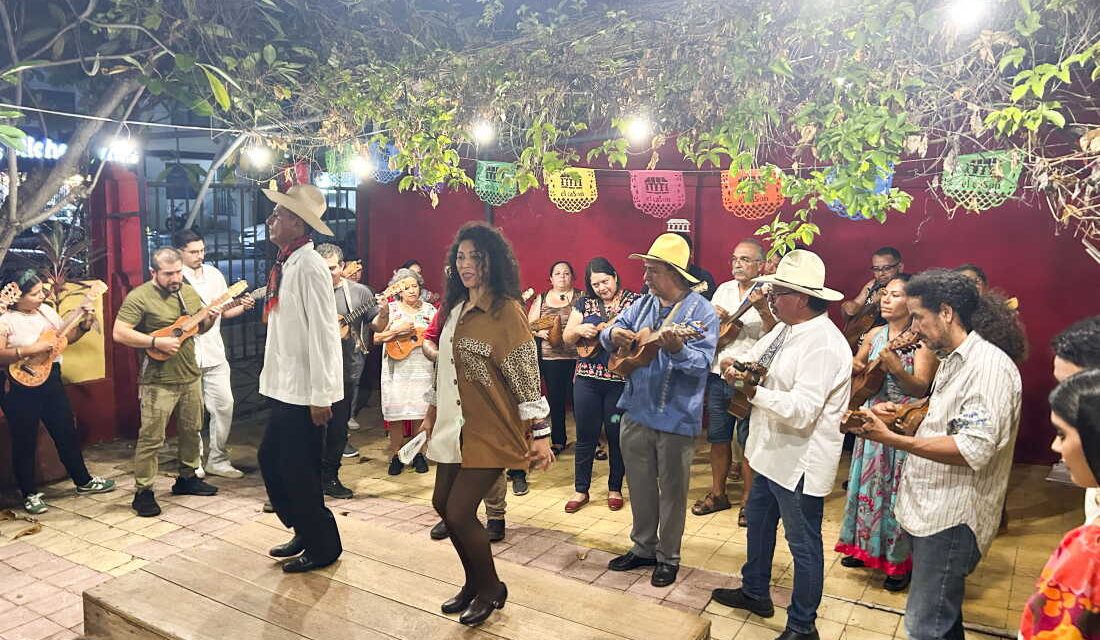
On a Saturday night in mid-August, in Veracruz, the rhythmic sound fills the air. A couple dances on a wooden platform. The woman wears a floral dress, and the man sports a jarocho straw hat and a sweat-drenched tropical shirt. Nearby, a man in shades plays a quijada, creating music by scraping the teeth and slapping the jawbone of a donkey.
Attendees savor ice-cold Mexican beer and tamales wrapped in banana leaves. As the event progresses, audience members join the musicians, forming a large jam session featuring the jarana, an eight-string guitar. The song ‘La Bamba’ becomes a trance-like experience lasting 15 minutes or more.
Renowned musician Tacho Utrera notes that such performances in Tlacotalpan, home to extensive fandangos, feature 80 musicians and can last for hours. During the 60s and 70s, fandangos and son jarocho faced decline, viewed as low-brow entertainment akin to Mississippi’s delta blues. Gilberto Gutierrez, a founding member of Mono Blanco, recalls smaller family gatherings during this period.
Today, with an increasing demand for authenticity and soul, son jarocho has seen a revival in Mexico and globally. Veracruz hosts fandangos for various occasions like baptisms, birthdays, and saints’ celebrations. The caSon Cultural Center, founded by Gutierrez, organizes monthly fandangos and celebrates its 25th anniversary.
The sense of community is crucial for the survival of fandangos. Musicians, dancers, singers, and cooks contribute to the festivities, fostering a sense of belonging. This communal experience has helped fandangos spread to locations as diverse as Argentina, Spain, Finland, Tokyo, and US cities like Los Angeles.
El zapateo, or tap dancing, acts as a percussive element that maintains the musicians’ rhythm. Ada Veronica, a seasoned dancer, emphasizes the skill required to perform on a taríma, respecting the dance form.
The caSon Cultural Center offers classes in jarocho dance and music, attracting young Mexicans drawn by genre-bending styles like reggaeton and corridos tumbados. Paloma Rizo, a jarana player, embraces the spirit of fandangos, stating that they evoke a sense of belonging and invite participation.
In Veracruz, the word convivencia captures the essence of a fandango—being alive and together.
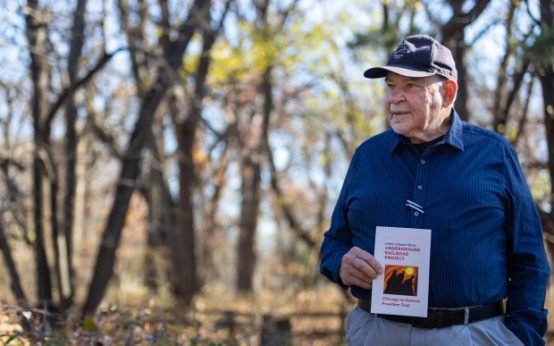 Midwest Underground Railroad Network Gains National Recognition
  Art Collective Critiques Administration with Mall Installation
 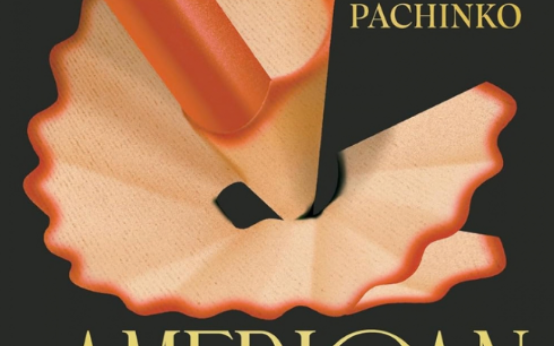 American Hagwon: A Tale of Family and the Korean Diaspora
 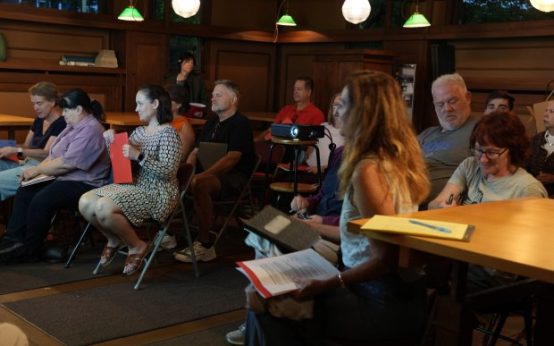 Volunteer Enthusiasm Shines at Frank Lloyd Wright Home and Studio
  Bible’s Role in Times of War
  Arrival of Giant Pandas in Atlanta Marks Historic Agreement