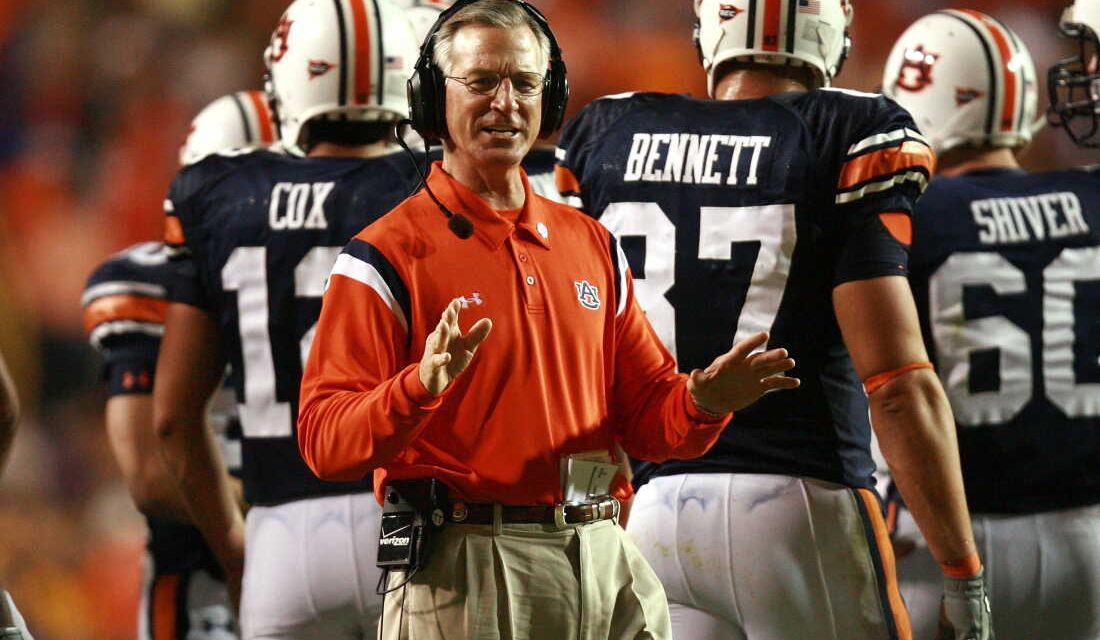
Tommy Tuberville, an Alabama Republican senator, once led Auburn to an undefeated season in 2004. Now, he champions the Protect College Sports Act in Congress. The bill is near a milestone, aiming to reform college sports. Former collegiate athletes, now U.S. Senators, influence the legislation.
The Protect College Sports Act targets issues in Division I athletics. Supporters call for changes due to rising athlete pay, transfers between schools, legal battles over eligibility, and growing athletic budgets. Many senators, formerly NCAA Division I athletes, bring their experiences to the table.
Tommy Tuberville played football at Southern State, a Division II school, and later coached at Ole Miss, Auburn, Texas Tech, and Cincinnati. He retired in 2016.
In June, Tuberville spoke about the necessity of NIL (Name-Image-Likeness) payments. He stressed that athletes must be paid as all other college sports sectors make money.
However, Tuberville also noted issues stemming from litigation. Changes in eligibility rules and ease of transfers disrupt college sports. Initially, he opposed the Protect College Sports Act due to perceived government overreach. Yet, the act’s aim to restore eligibility rules and limit free transfers convinced him to support it.
Several other senators also have sports backgrounds. Jim Justice played golf, Ron Wyden played basketball, and Cory Booker, who played football at Stanford, shares insights from his college sports experience.
Cory Booker criticized the economic disparities in college sports. He witnessed teammates struggling financially and paying for injuries out of pocket post-college. College athletic budgets soared while athletes faced challenges.
Senator Maria Cantwell highlighted spending increases from 2005 to 2023, with over 300% growth in recruitment and coaching pay.
Booker consistently opposes the bill, arguing it favors the wealthy in college sports. He proposed amendments, including capping coaches’ salaries at $5 million. Many coaches earn well beyond this.
Other bill aspects include increased direct payments to players, efforts to regulate NIL deals, and roster protections for non-revenue sports. The cap on conference memberships aims to deter the formation of “super conferences.” Florida senators opposed this, seeking flexibility for schools like Florida State.
Senator Eric Schmitt, a former athlete who played football and baseball at Truman State University, co-sponsors the bill. He believes handling challenges in athletics shaped his legislative approach. Initially wary of federal involvement, he now agrees Congress has a role.
After over a year of bipartisan negotiations, the bill might pass the Senate with substantial support. It represents a major step in college sports reform, backed by President Trump, though its future in the House remains uncertain as it stands recess until post-midterms.
Sources: NPR
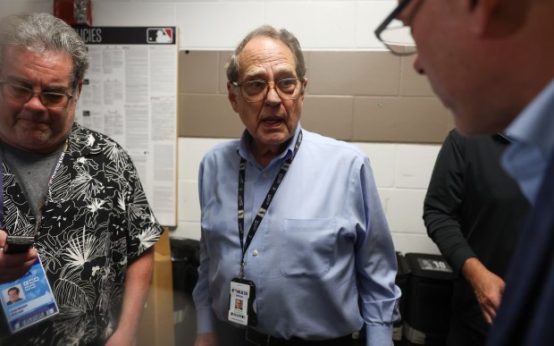 Chicago White Sox Triumphs in 2026 Postseason
 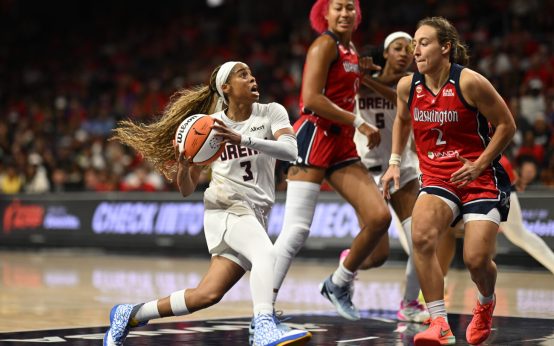 Atlanta Dream Defeats Washington Mystics to Advance in WNBA Playoffs
 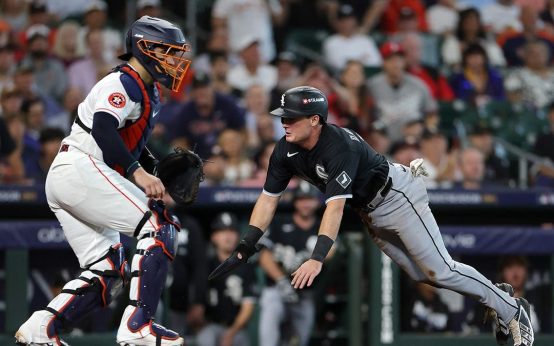 MLB Wild Card Series: Drama Unfolds
 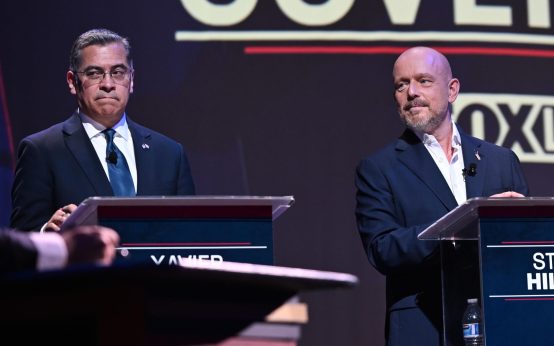 Becerra and Hilton Clash in California Gubernatorial Debate
  California Voters to Decide on $7.5 Billion State Research Fund
 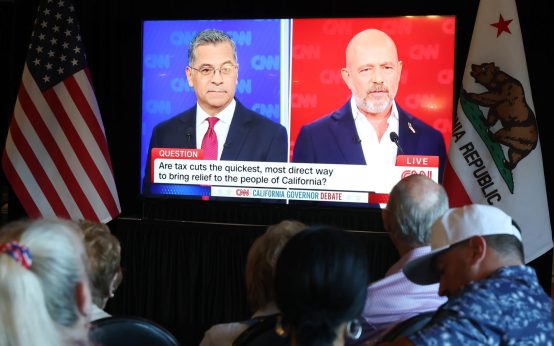 Highlights from the California Gubernatorial Debate: Becerra vs. Hilton