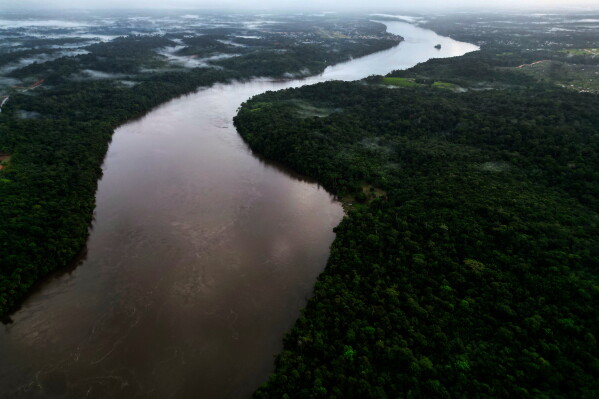
Brazil’s Supreme Court has delivered a significant decision impacting the soy moratorium. The court supported state laws that refuse tax incentives to farmers adhering to an agreement preventing the purchase of soy grown on deforested Amazon land. Simultaneously, the court upheld the constitutionality of the voluntary pact.
In recent months, major grain traders exited the soy moratorium. This initiative, which played a notable role in decreasing deforestation over two decades, faced challenges when major soy-producing states enacted legislation removing tax benefits for those involved.
Brazil stands as the top global soybean producer, contributing roughly 40% of the world’s supply. The crop thrives mainly in central and northern regions, including parts of the Amazon biome such as Mato Grosso, Para, and Rondonia. The Amazon rainforest is crucial for climate regulation beyond South America. Scientists warn that its degradation could accelerate global warming and disrupt agriculture, even impacting areas like the U.S. Midwest and Europe.
During the 2024-25 season, Brazil produced 171.5 million metric tons of soybeans, with China as the leading export destination, according to Brazil’s trade data.
The soy moratorium initiated in 2006, responding to environmental group pressures and international buyer demands. It was a voluntary agreement that major soy traders, later backed by the Brazilian government, accepted to avoid purchasing soy cultivated on Amazon land cleared post-July 2008. However, soy producers argued that the moratorium was more stringent than national environmental laws.
Under Brazilian laws, Amazon farmers must maintain 80% of their land, allowing legal clearing of up to 20%. However, the moratorium prohibited any deforestation, even if permitted legally. The initiative led to a 35% reduction in deforestation in susceptible areas during its first decade, achieved without reducing productivity. The moratorium’s end could result in 1.4 million hectares of deforestation over the next ten years, similar in size to Portugal, the study suggested.
Deforestation peaked in the 1990s and 2000s, declining until former President Jair Bolsonaro’s term from 2019 to 2022, which drew criticism for diminishing environmental safeguards. Current President Luiz Inácio Lula da Silva’s administration has seen deforestation drop to its lowest in a decade.
Angela Barbarulo from Greenpeace Brazil remarked that while recognizing the moratorium’s significance as constitutional is crucial, endorsing state laws that punish greater environmental engagements undermines collective environmental goals. She opposed state laws that weaken these commitments.
ABIOVE highlighted that the court’s ruling ends years of legal ambiguity, affirming voluntary sustainability commitments. Yet, their reference to the moratorium in the past tense indicates skepticism about its revival. They expressed hope for renewed discussions within the supply chain focused on legal clarity, competition, and sustainability.
The Mato Grosso Soy Producers Association, an opponent of the moratorium, affirmed that the ruling validates state autonomy in resisting private-sector-imposed environmental limitations. They committed to opposing any future agreements reinstating the moratorium’s terms.
The Associated Press’ climate and environmental coverage is financially supported by several private foundations. AP maintains complete responsibility for all content. You can find AP’s standards for collaboration with philanthropies, along with a list of supporters and funded focus areas at AP.org.
 State Department Simplifies Passport Process with Online Applications
  Swiss Glaciers Show Effects of Ice Loss Amid Global Warming
  Climate-Resistant Rock Glaciers: Hidden Water Resources
 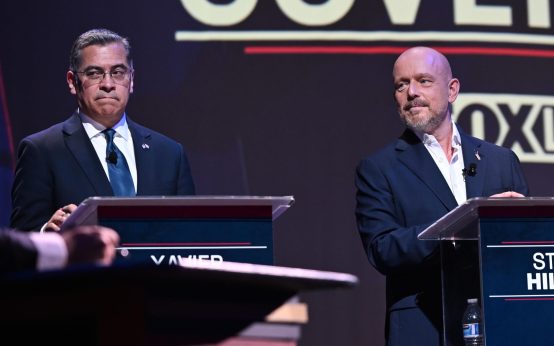 Becerra and Hilton Clash in California Gubernatorial Debate
  California Voters to Decide on $7.5 Billion State Research Fund
 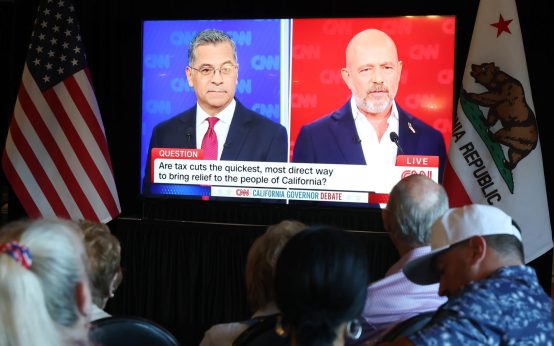 Highlights from the California Gubernatorial Debate: Becerra vs. Hilton