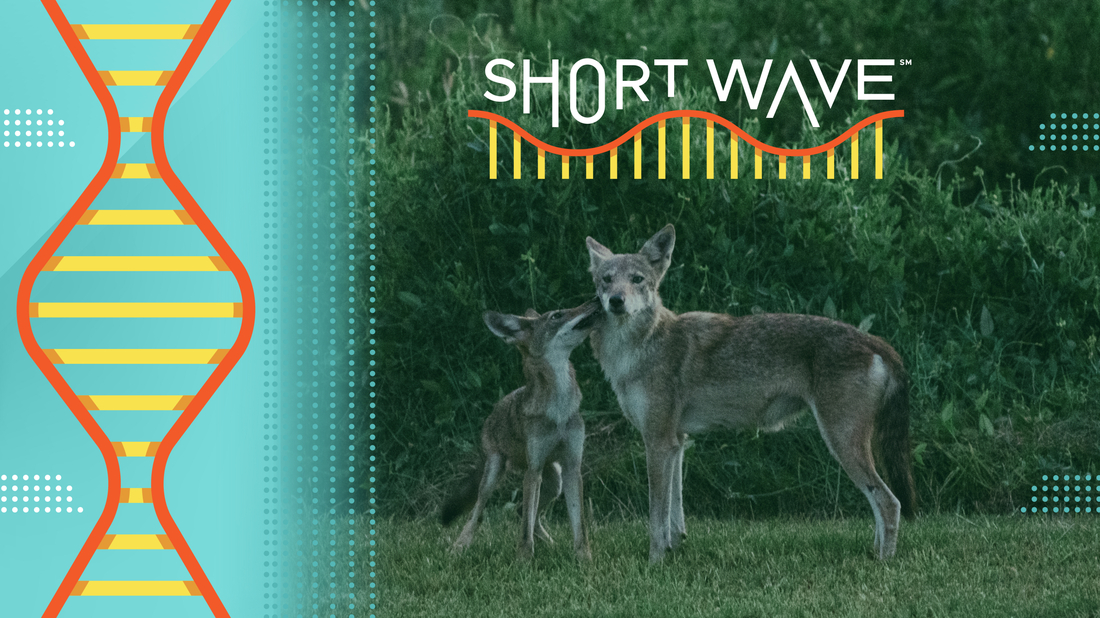
The American red wolf, a small, cinnamon-colored canid, once roamed freely across the American Southeast. It played a crucial role in the Gulf Coast ecosystem, preying on deer and small mammals. However, early European settlers viewed wolves as threats to both hunters and livestock, leading to federal bounties encouraging their extermination.
By the mid-1900s, the red wolf population drastically declined. Bridgett vonHoldt, a professor of ecology and evolutionary biology at Princeton University, emphasizes the urgency that developed to save the species. Conservation efforts began in the 1970s when the U.S. Fish and Wildlife Service (USFWS) captured various canids, including coyotes, dogs, and red wolves.
From the captured canids, USFWS selected forty with the most red wolf-like traits, eventually creating a founder population of fourteen red wolves. This population is the ancestor of every American red wolf in captivity today. Despite captive breeding programs, only a few hundred red wolves exist, with limited genetic diversity.
Bridgett vonHoldt proposes recovering lost genetic diversity using ‘ghost genetics.’ In a discussion on NPR’s Short Wave, hosted by Emily Kwong, vonHoldt explains this innovative approach, which includes examining gene dictionaries and even utilizing data from coyote sightings in Texas.
NPR’s Short Wave offers a detailed exploration of vonHoldt’s work and the future steps needed to protect the red wolf. For more episodes or to support Short Wave, visit Spotify or Apple Podcasts.
 Swiss Glaciers Show Effects of Ice Loss Amid Global Warming
  Climate-Resistant Rock Glaciers: Hidden Water Resources
  Senators Reach Bipartisan Agreement on Permitting Reform
  Experts Warn of Critical Period for the Colorado River
  Future Cities: Ambitious Projects Aiming for Innovation and Sustainability
  Supreme Court Case Suncor vs. Boulder: Implications for Accountability in Climate Change