
A federal judge in Oklahoma has ruled that police conducted an unconstitutional search by employing Flock cameras to trace a woman’s movements without probable cause. This decision highlights the ongoing controversy surrounding surveillance technology and its compliance with constitutional rights.
On Thursday, residents of Milford, Michigan, participated in a protest against the use of Flock cameras in their community. Demonstrators voiced concerns about privacy and the implications of widespread surveillance.
The judge described the police’s actions as ‘indiscriminate mass surveillance,’ emphasizing the potential conflict between this technology and Americans’ constitutional rights. Flock cameras capture license plate information, which officers used to reconstruct the woman’s travels, sparking debate about privacy and freedom.
The ruling contributes to the broader discourse on the balance between law enforcement practices and civil liberties. As technology advances, courts face challenges in determining the limits of policing tools and their impact on individual rights.
 ICE Agent Faces Legal Battle Over Highway Encounter
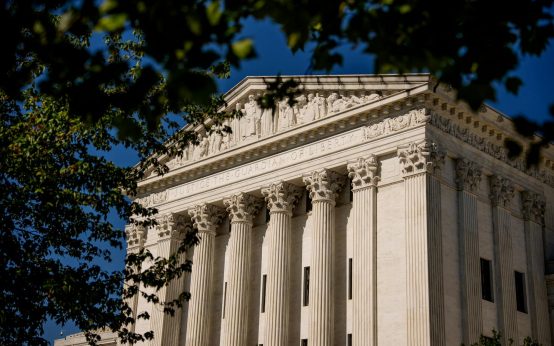 Supreme Court to Hear Case on Assault Weapons Bans and the Second Amendment
 Concerns Arise Over NYC’s Rikers Island Closure Plan
 Pregnant Inmate Escapes Custody in New Mexico
 Fort Hood Shooter Nidal Malik Hasan Seeks Delay in Execution to Present Defense
 Teaching Assistant in Los Angeles Arrested on Charges of Child Molestation