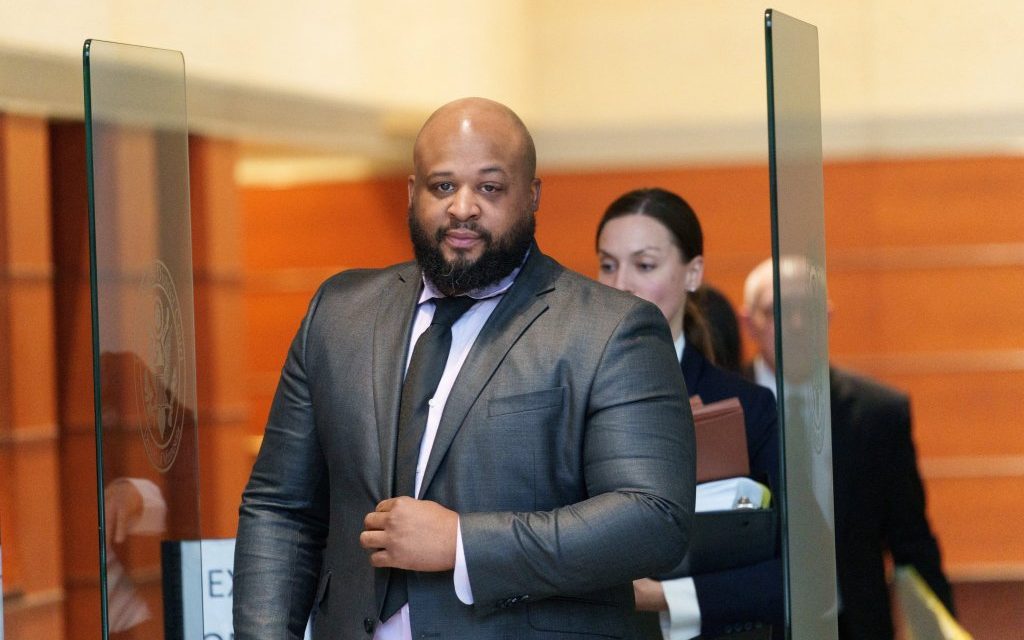
ICE Agent Gregory Morgan’s Legal Battle
An Immigration and Customs Enforcement (ICE) agent, Gregory Morgan, faces significant legal challenges after being charged with assault following a traffic incident in Minnesota. Morgan’s case, drawing national attention, highlights the tension between state prosecution and federal duties.
Details of the Incident
Morgan encountered the legal predicament following an incident on February 5 during Operation Metro Surge. On April 16, he was charged with two counts of second-degree assault with a dangerous weapon. His attorneys argue he was following orders to return to base after a protester threatened him, leading him to mistakenly drive on the highway shoulder.
The defense claims Morgan’s actions were from a safety concern when a Cadillac driver swerved in front of him twice. Morgan allegedly displayed his gun in a “low-ready” position, prompting a heated debate on whether his actions constituted self-defense or reckless endangerment.
Prosecutors argue Morgan sought to bypass traffic and that his actions were deliberate. They claim that Morgan brandished his weapon after the Cadillac driver attempted to slow him down.
Federal vs. State Jurisdiction
Central to Morgan’s defense is a federal statute dating back to the War of 1812, which permits federal officers to move cases to federal court if actions taken align with their official duties. Morgan’s legal team insists his actions were within his authority as an ICE agent, drawing on broader interpretations of federal protections.
Hennepin County prosecutors contend that Morgan’s conduct no longer fell under immigration enforcement, emphasizing that any threat had diminished before Morgan displayed his gun. However, Morgan’s attorneys believe Congress expanded the relevant law in 2011, opposing the prosecutors’ interpretation.
Resistance from Prosecutors and Broader Implications
Criticism from Hennepin County Attorney Mary Moriarty about ICE operations influences discussions over federal jurisdiction. Paulose, a former US attorney aiding Morgan, highlights the potential for prosecutors to target federal agents over policy disagreements.
Morgan’s case has ramifications nationwide as prosecutors and defenders watch for potential precedents concerning federal officer protections.
The Broader Impact on Morgan’s Life
Morgan endures financial strain due to his reassignment limiting his overtime eligibility, thus decreasing his income. A felony conviction could end his law enforcement career, risking significant prison time.
Defense Attorney Ryan Pacyga stresses Morgan’s position as a victim in a contentious environment, emphasizing the concern over political implications affecting law enforcement.
Paulose and others argue that law enforcement officers should not bear the repercussions of political conflicts, advocating for legal proceedings that transcend local biases.
 Supreme Court to Hear Case on Assault Weapons Bans and the Second Amendment
 Concerns Arise Over NYC’s Rikers Island Closure Plan
 Pregnant Inmate Escapes Custody in New Mexico
 Fort Hood Shooter Nidal Malik Hasan Seeks Delay in Execution to Present Defense
 Teaching Assistant in Los Angeles Arrested on Charges of Child Molestation
 Daughter of Ruby Franke Urges Parole Board to Deny Her Release