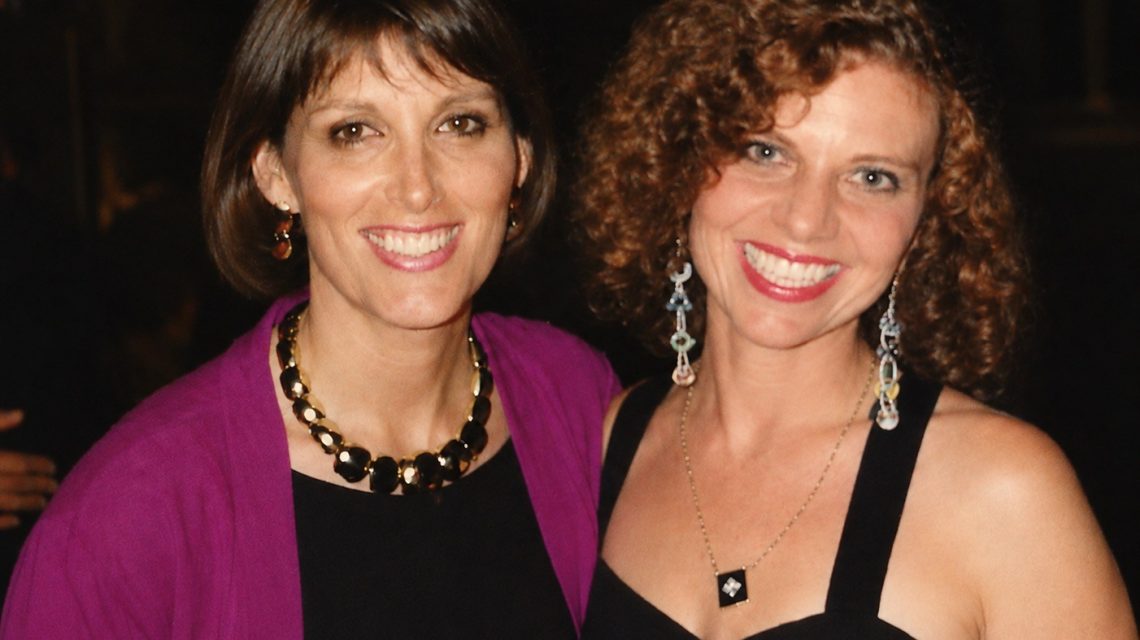
I once thought true love always embraced honesty. My friend Danza showed me a different perspective not long before she passed. It was a warm day in March. Cherry blossoms scented the air. I sat on the back deck, waiting for Elsie to join us. We three—Danza, Elsie, and I—aimed to relive those joyful high school days, if only for a brief moment. Time was slipping away.
Elsie arrived, her outfit reminiscent of 1969, in denim shorts and a sleeveless top. She hugged me, and even wearing wedges, I barely reached her shoulder. “How do I prepare myself?” she asked, her hand near one eye. “She’s still Danza,” I said, “just without the hair.” “Will I recognize her?” “Absolutely.” My legs felt weak. “I’m thankful you’re here.”
I guided Elsie to the bedroom and left them for some privacy. When I returned, they had both been crying. Elsie sat at the bed’s edge, fingers twisting the duvet’s corner. “Okay, chickadee!” she chirped, calling it makeover time. From her purse, she pulled out a paper bag filled with makeup: eyeliner, eye shadow, lipstick, lip liner, face powder, and rouge. I brought along scented massage cream and a lavender silk scarf.
In high school, we hardly used makeup except on stage, where our pores would clog with greasepaint, the aftermath visible days later. We embraced Carole King’s “natural woman” look—barefaced and sincere. Though lip color and eyeliner became additions with time, our unspoken rule held strong: we didn’t perform for each other. The makeover was our effort to grasp a sense of normalcy, transforming appearances as we did in our teenage years.
We lifted Danza’s hospital bed, setting her upright with her head against a pillow and eyes closed. Elsie worked methodically, applying powder, then rouge, and adding layers of shadow. She stepped back to view her progress, while I took hold of the eyeliner. Danza had once taught me its use in high school, so it seemed fitting I should apply it now. I traced along her upper lid, singing, “You make me feel…” Danza softly joined, “…like a natural woman.”
She hummed while I smudged the lined lid with my finger. “Just as you taught me in high school. It should be natural, not contrived, right?” “Why take fashion tips from a dork like me?” she joked. “You were a smudging master,” I replied. “A smudging genius. Ha. Ha.”
Elsie massaged Danza’s hands with the cream, her silver bangles softly chiming. I drew in eyebrows absent from chemotherapy and outlined her lips with a mulberry hue. We wrapped the lavender scarf around her bare head. Her smile widened, highlighting her cheekbones, nose, and lips. Danza viewed her reflection in a mirror, the look enhanced by the vibrant sheets and duvet. “Doe-shaped eyes, bald head—solid fox,” she teased, posing playfully.
We laughed, recalling our days as Candy Stripers in hospital wards, while classmates dabbled in sex and drugs. Danza said she’d visited that hospital recently, now a cancer center. “Remember the pink and white pinafores?” I asked, “The pink ribbons in our ponytails? Weren’t we adorable?” Her smile faded. “You keep asking these questions. Why not ask what you really want to know?” she challenged.
“Danza, what do you mean?” I asked. “It’s not what you say, it’s what you keep unsaid.” The truth escaped me. My voice grew distant as I asked, “Do you want to talk?” “Yes,” she replied, her face firm.
Elsie kissed her cheek and left us. “You’re going to hate me,” Danza said. “Why would I hate you?” I asked. Her revelations had followed fabricated truths before, but this time it felt different.
“Remember the birthday party I claimed to have planned for you?” she asked. Of course, I remembered. On my 16th birthday, she called, saying a surprise party had been canceled. No one mentioned it or gave me a gift later. Now, 25 years on, I knew there was no party.
“I wanted to throw you a party,” she confessed, “but we couldn’t afford it.” Sunlight pierced the shades, exposing my ignorance. What I romanticized as a bohemian life was necessity. Now, balancing finances myself, I understood what people do to shield those they love from financial struggles.
I stepped closer. “Danza, it wasn’t your fault you couldn’t host a party. How could I be angry?” I assured her, “I could never hate you for this.” Pacing, I expressed my lack of anger and reaffirmed my love. I spoke until our faces were streaked with makeup-stained tears.
When I opened the bedroom door, Elsie sat outside. “I’m sorry,” I told her. “That was brutal,” she replied. I briefly shared the conversation with Danza. Amid tears, it became clear her lie wasn’t a flaw but evidence of her care. Later, a hospice nurse arrived. She was efficient and kind, checking Danza’s vitals and morphine. I followed her, recounting Danza’s admission.
“It’s not uncommon,” said the nurse, “for people to awaken from morphine to clear past issues. Now, she can find peace.”
Yes, Danza would rest easier. So would I. I’ve learned that friendship’s test lies not in confronting brutal truths together. Rather, it’s about bearing things alone to spare loved ones. Danza’s silence about my birthday wasn’t a failure. It was the deepest proof of our friendship.
Megan Vered is a native of Berkeley, California. Her work has featured in HuffPost, Kveller, Writer’s Chronicle, and more. The views expressed are her own.
Do you have a personal essay to submit to Newsweek? Send it to [email protected].
 Richard Ables: A Guide in Life’s Difficult Rituals
  A Honeymoon Safari Turns Into a Fight for Survival
  Facing Terminal Illness: Embracing Life’s Moments
  Journey Through Love and Health Challenges
  Florida Woman Discovers Brain Tumor After Mysterious Symptoms
  Challenges in Prosecuting Sexual Assault Cases Involving Substance Use