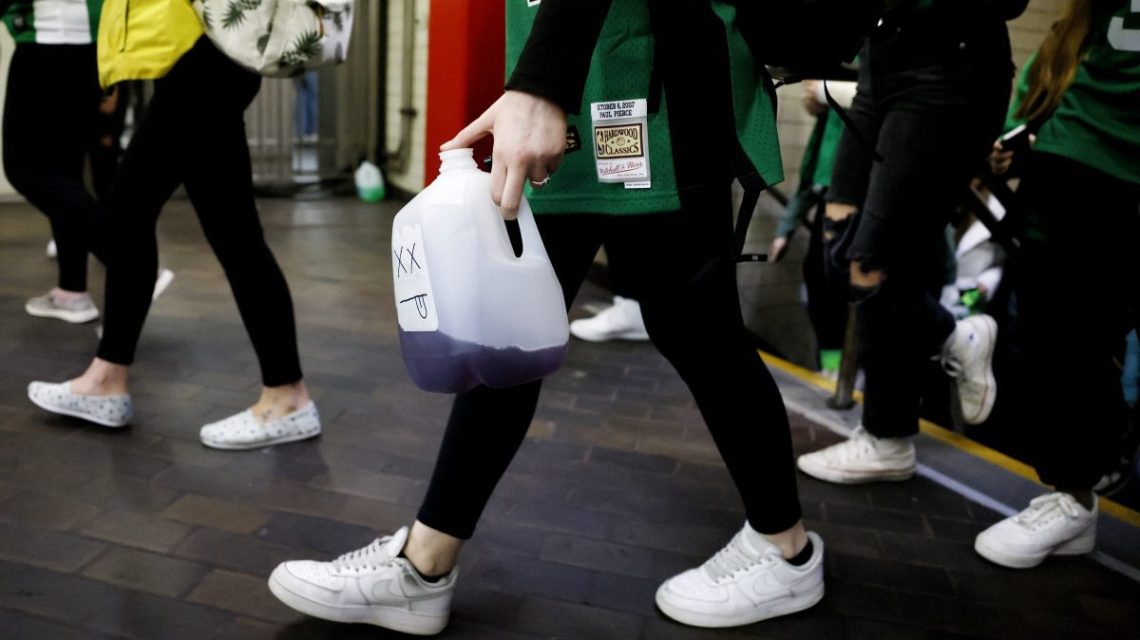
Recent research has shed light on the use of ‘borgs’ at U.S. college campuses, raising concerns about potentially harmful drinking behaviors. Despite some users believing borgs to be less risky, the study suggests otherwise. Borgs, short for “black-out rage gallons,” are large homemade cocktails composed of liquor, water, vitamins, or electrolyte supplements, and flavorings. Typically, students bring these jugs to parties or events, often carried in repurposed milk containers, to sip throughout the day.
A TikTok trend played a role in popularizing borgs in the early 2020s, primarily across social media platforms. Those in favor of borgs claim they prefer them as a means to control drink contents, avoiding shared or tampered communal drinks. Licensed professional counselor Amelia McCoun from Texas Tech University noted that borgs could be a tool for harm reduction, as defined by the National Harm Reduction Coalition, allowing students to control their alcohol consumption.
However, McCoun expressed concerns over the risk of binge-drinking. A pre-mixed jug of cocktails could lead to excessive drinking, raising the likelihood of alcohol poisoning. A recent study by researchers from the University of Chicago’s Department of Psychiatry and Behavioral Neuroscience supports these concerns. Published in a peer-reviewed Rutgers University journal, the study analyzed U.S. college students’ drinking behavior, specifically focusing on borg use.
The study found that borg drinkers consumed an average of 9.4 standard alcoholic drinks at events compared to 6.3 drinks on non-borg binge-drinking occasions. A significant percentage reported getting drunk or buzzed during borg use (28 percent), with 29 percent experiencing blackouts. Furthermore, 59 percent admitted to embarrassing incidents, and 17 percent reported vomiting.
The study also referenced past hospitalizations linked to borg use, such as a 2023 incident at the University of Massachusetts Amherst involving numerous students treated for alcohol intoxication. Lead researcher Andrea C. King, PhD, highlighted the particular danger posed by the sweet mix of hard liquor and flavorings in borgs, which may entice users to share or taste from others, further complicating the risks.
Despite the risks, 68 percent of participants indicated they would use borgs again, often citing enhanced sociability and enjoyment as reasons. However, claims that borgs help control alcohol intake or reduce contamination were not confirmed by the study.
 Crackdown on Fraudulent Obamacare Enrollments
  Voice Disorders Linked to Increased Dementia Risk, Study Finds
  Understanding Misperceptions Around Sexual Violence and Intervention
  Ibogaine Treatment Travel: Americans Seeking Alternatives Despite Risks
  The Message of Healing and Faith in ‘The Angels Among Us’
 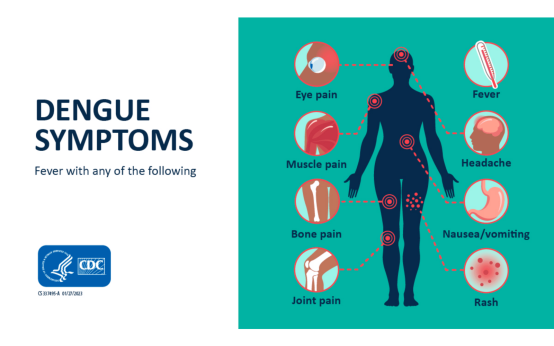 Dengue Fever Surge in U.S.: Florida’s Record Outbreak and Rising Cases Nationwide