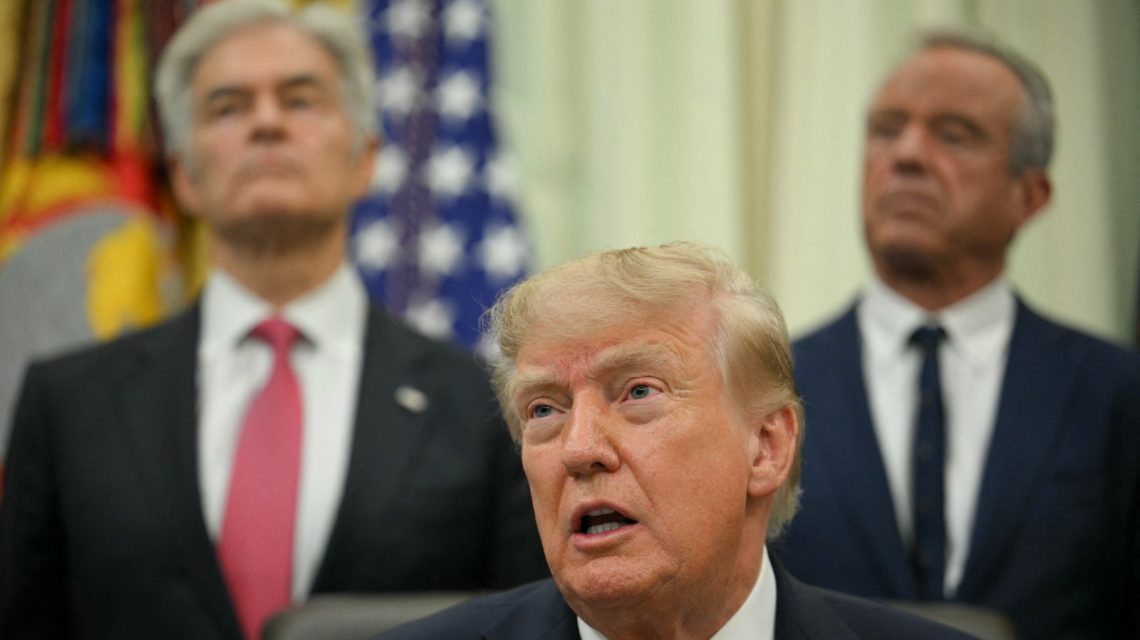
Public support for a government-run health insurance system, often referred to as ‘Medicare for All,’ is at its highest in years according to a recent KFF poll. The survey reveals that 66 percent of U.S. adults now favor a national health plan, a notable increase from the 53 percent support noted in 2020. This shift suggests that progressive healthcare ideas are gaining traction among American voters ahead of the 2026 midterm elections.
Why It Matters
The poll indicates that Medicare for All is moving from a purely progressive initiative to a more mainstream political idea. Previously championed by independent Senator Bernie Sanders and progressive Democrats, it faced resistance from moderate Democrats and Republicans. With two-thirds of Americans supporting greater government involvement in healthcare and considering healthcare costs a significant concern, there may be a greater willingness to expand government health coverage.
What to Know
The survey shows that approximately 79 percent of Americans support the federal government playing a larger role in providing health insurance. This support spans across party lines: 94 percent of Democrats, 82 percent of independents, and 61 percent of Republicans. However, support for Medicare for All specifically shows more political polarization, with 84 percent of Democrats and 72 percent of independents in favor, compared to 66 percent of Republicans opposing it.
OECD countries generally achieve universal or near-universal healthcare. Kevin Thompson, CEO of 9i Capital Group, points out that the United States is one of the few OECD countries with less than 95 percent healthcare coverage. Thompson told Newsweek, “The noise is becoming louder because we cannot claim to be the wealthiest, most established nation and not afford healthcare for citizens.” The poll, conducted among 1,328 adults from September 16 to September 21, underscores this sentiment.
Why Support Is Rising
Experts say rising healthcare costs drive much of the shift in public opinion. Audrey Kearney, senior survey analyst at KFF, told Reuters that financial burden likely fuels the demand for major reform. She mentioned that throughout the year, KFF polls reflect public frustration with healthcare’s high costs, possibly leading to a desire for change.
The current employer-based insurance system often leaves individuals facing high costs and coverage gaps. Kevin Thompson suggests that, as conservatives move toward central positions on other issues like data centers, they might also align more closely around healthcare, especially in seeking voter support. He noted that while Medicare for All is often seen as a left-leaning concept, the real debate is shifting towards payment methods and system design.
Who’s Against Medicare for All?
Despite increased support, opinions can change when people hear arguments against Medicare for All. KFF reports that support decreases when people learn it might eliminate private insurance, trigger tax increases, or extend medical service wait times, dropping to 52 percent, albeit higher than the 37 percent in 2020 under similar scenarios.
Republicans have typically argued against single-payer systems, primarily due to government spending concerns and reduced consumer choices, which they believe lead to poorer health outcomes. Yet, support among conservatives is rising, as Alex Beene from the University of Tennessee at Martin highlights. He notes that the reality of increasing healthcare costs and less beneficial insurance plans is driving this support shift.
What Happens Next
While Medicare for All may not become law soon, given Republican opposition, changes in public perception could influence future proposals aimed at reducing healthcare costs. Alex Beene expects that even if the congressional makeup changes post-midterms, the rise in bipartisan support may encourage more affordable healthcare proposals.
 From Birth to Bravery: A Story of Overcoming Clubfoot
  Exploring Beverages for a Longer Life in Blue Zones
  How Health Leaders Can Prepare for Unpredictable Crises
  Ohio Voters Concerned About Data Centers
  Ohio Senate and House Races Heat Up Amid Controversies
  Poland Demands Apology from Tucker Carlson Over WWII Comments