Early on January 1 this year, the phone rang at Geneva University Hospital (HUG). It was shortly before 5 a.m. A fire had broken out in a crowded bar in Crans-Montana, a Swiss resort, causing significant chaos. The tragic incident resulted in 40 fatalities, with over a hundred people injured, many severely burned and young. No single hospital or country could handle this disaster alone.
Within hours, patients were transferred to burn centers in places like Lausanne, Zurich, Paris, Milan, and Stuttgart. For those days, hospitals across several countries came together, acting as a unified medical system. This event highlighted a critical challenge for health leaders→ future crises will differ from previous ones. Potential threats include mass-casualty events, extreme weather, cyberattacks, supply chain issues, or new viruses. Multiple threats could occur simultaneously. The pressing question is how to prepare.
The key is to be ready to act promptly. My experiences with the International Committee of the Red Cross (ICRC), including four years as director-general, have been instructive. I’ve been in areas where the unexpected was common. In recent years, as CEO of one of Europe’s largest university hospitals, I’ve learned that resilience isn’t a set plan; it’s a way of governing.
Preparation and Resilience
Anticipating, deciding, mobilizing, adapting, and learning are essential under pressure.Anticipation isn’t about prediction. It’s about identifying potential outcomes and requirements before pressure mounts. When G7 leaders met in Evian, France in June, no one knew how large demonstrations might unfold. We prepared for potential violence, adding 40 beds and canceling one-fifth of scheduled surgeries for a week. Temporary emergency tents were set up, and cross-border passes for nurses and doctors were issued. Although the summit caused no major incidents, the preparation clarified decision-making, tested relations, and revealed unknown gaps. Preparation enhances capability.
Decision-Making in Crisis
Deciding during crises means acting without complete information. Waiting for certainty often leads to wrong decisions. At the ICRC, delegation heads sometimes had to take action without Geneva’s instructions. They relied on clear intentions, firm principles, and trust. At hospitals, clear delegation of decisions is essential. Leadership doesn’t eradicate uncertainty, but it fosters sound decision-making.
The Role of Trust and Mobilization
Mobilization hinges on people and trust, not just technology and infrastructure. Humanitarian work hinges on pre-built trust. During the Crans-Montana fire, HUG cared for five patients and sent medications to other hospitals. Understanding the ecosystem of dependencies is crucial for resilience → no hospital stands alone.
Adapting to New Realities
Adapting means confronting real-world challenges. During intense heat, older hospital buildings experienced temperatures over 86 degrees Fahrenheit. A nurse proposed solutions via a letter, highlighting the importance of frontline insights. While plans are essential, they need updates and flexibility to remain effective.
The Importance of Learning
A commitment to learning transforms experiences into capabilities. In 2017, an IT failure at the hospital highlighted gaps between redundancy on paper and in reality. Actions included security monitoring and conducting regular tests. A backup untested is merely hopeful, not a plan. Real learning leads to change and improvement.
“Nassim Nicolas Taleb’s concept of antifragility describes growing stronger through shocks. I describe it as adaptive growth,” says Robert Mardini.
Planning for the Future
Leaders must address crucial questions proactively. Determine decision-makers for emergencies, identify and test dependencies, establish contacts, adapt flawed plans based on frontline feedback, and evaluate post-crisis changes.
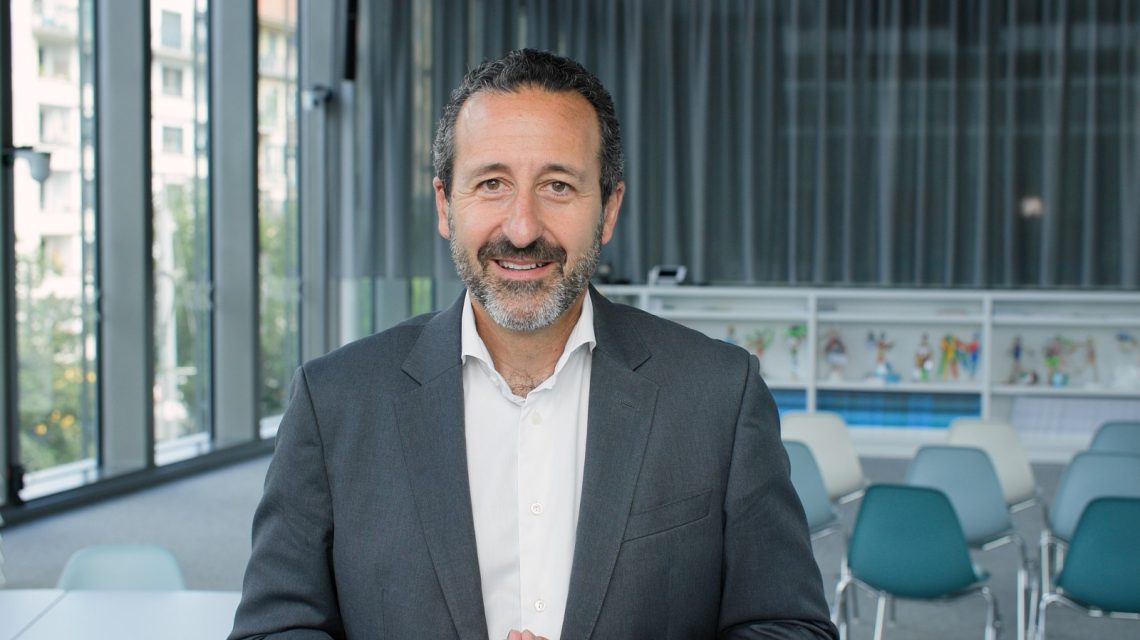
Robert Mardini, the director-general of Geneva University Hospital (HUG), previously served as director-general of the ICRC. His insights stress that organizations should not aim to eliminate surprises but rather ensure readiness to grow and improve when surprises arise.
 Exploring Beverages for a Longer Life in Blue Zones
  Growing Support for Government-Run Health Insurance in the United States
  Bruce Arians Promotes Prostate Cancer Screening During NFL’s ‘Crucial Catch’ Initiative
  Challenges in Accessing GLP-1s for Many Americans
  Public Health Concerns After Death of Russian Researcher
  Keys to a Longer, Healthier Life According to Dr. Michael Hall