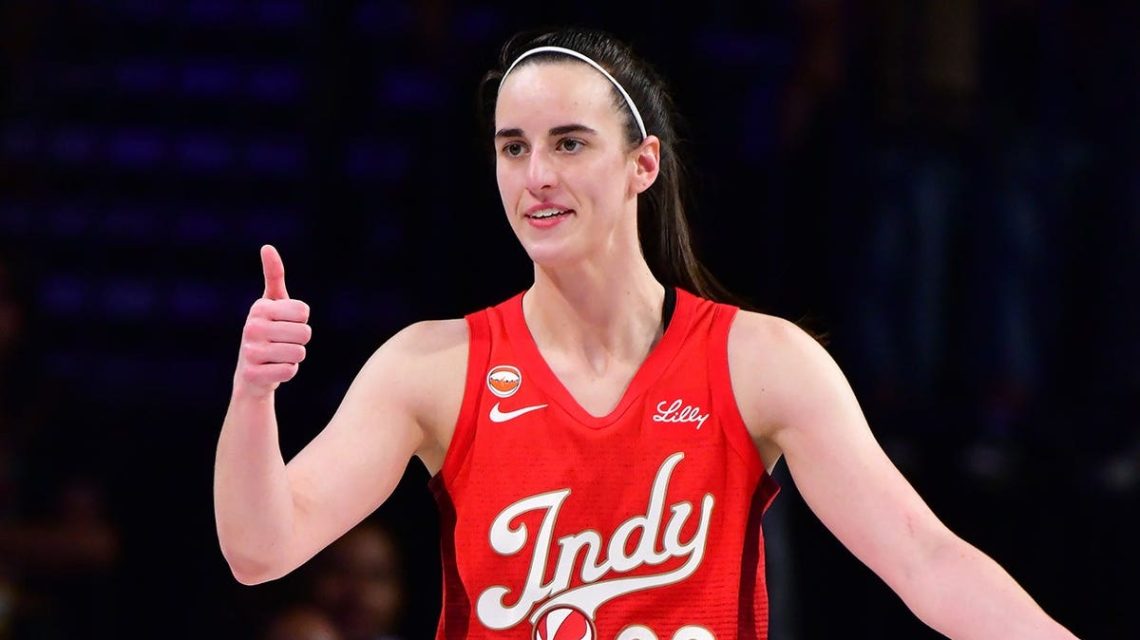
The recent WNBA match between Indiana Fever and Las Vegas drew significant attention. Riley Gaines and Louis Barker shared their courtside experience, noting standout performances and a contrasting atmosphere from previous games in Minneapolis. Caitlin Clark and Kelsey Mitchell were the focal points, demonstrating exceptional skills.
Ratings data reveal substantial viewing figures for the Indiana Fever games, surpassing WNBA semifinal numbers. Indiana’s regular-season matches on major broadcast networks averaged over twice the audience of the semifinal openers shown on ABC and NBC. An OutKick review indicated that Indiana’s ten regular-season games on ABC, CBS, and NBC received an average audience of approximately 2.32 million viewers. The two semifinal openers attracted about 1.16 million viewers.
Notably, Indiana’s first-round game against Las Vegas averaged 2.11 million viewers on ABC, despite airing opposite NFL games. This viewership was about 76% higher than New York-Atlanta’s semifinal opener on the same network. The data emphasizes Caitlin Clark’s influence on the WNBA’s television ratings. Additionally, Indiana’s regular-season games consistently pulled in more viewers than any semifinal opener.
The smallest major-network audience for Indiana was during a game against Portland on CBS, drawing nearly 1.3 million viewers despite a poor performance from Clark. This game still attracted more viewers than the semifinal openers.
At the high end, Indiana’s match against Chicago drew 3.31 million viewers on NBC and Peacock. Comparatively, the Liberty’s regular-season games against Indiana attracted over 2.5 million viewers, while their semifinal game drew 1.2 million viewers on ABC.
Angel Reese claimed she boosted viewership in women’s basketball. However, the data shows that Reese’s games did not match Clark’s influence, indicating Clark’s significant pull for audiences. Atlanta’s games averaged fewer viewers than Dallas-Golden State, highlighting Reese’s limited draw.
WNBA semifinal viewership increased by 10% compared to the previous year, but Fever games consistently attracted higher numbers. Before Clark joined in 2024, the WNBA had not averaged over a million viewers for a single match since 2008. The rise is a positive indicator for the league’s growth.
The Fever’s audience interest extends beyond Clark. Even games without her presence drew substantial viewership. The WNBA could benefit greatly from cultivating similar interest around more teams. Indiana’s viewership on Prime Video exceeded other non-Fever games and both semifinal openers.
The article suggests the potential for growing audience figures as the series progresses and indicates the efforts remaining teams need to make to match the Fever’s numbers.
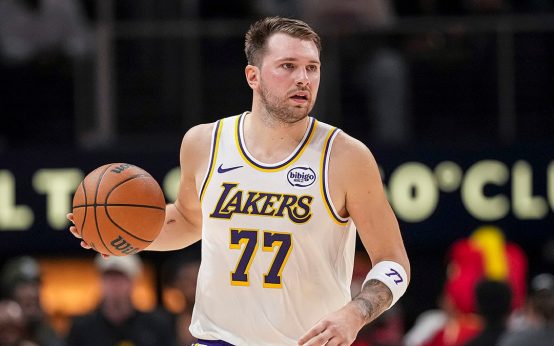 Luka Dončić Reflects on Missed Opportunities with the Lakers
 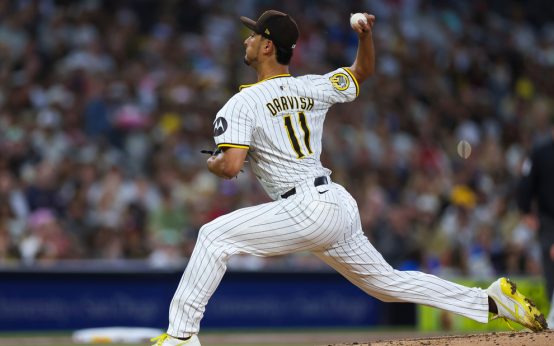 The Impact of Climate Change and Physics on Baseball
 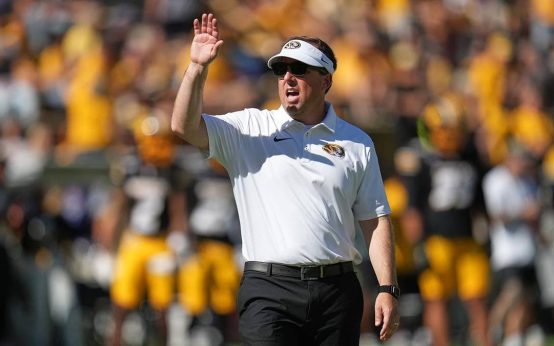 Missouri Tigers Freshman Recovers After Heart Transplant
 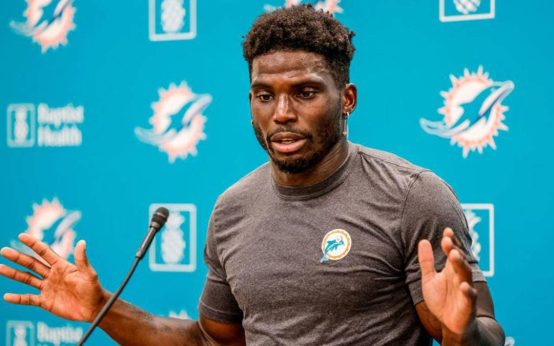 Alex Murdaugh’s Trial Testimony Approved for Use in Retrial, Tyreek Hill’s Explosive Divorce Case Testimony: Key Moments
 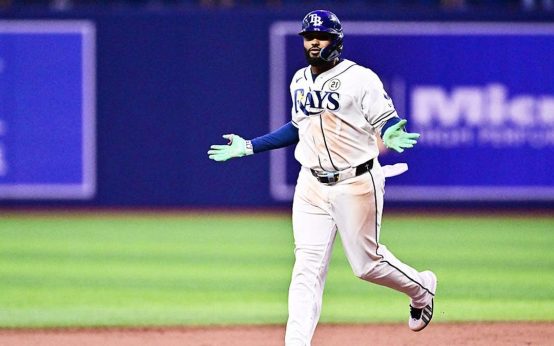 Examining 2026 MLB Season and Labor Negotiations Impact
  NFL Betting Battle: Human vs. Machine