Policy Overview
A federal judge has intervened to suspend a Trump administration policy that blocked immigrants in detention from completing essential fingerprint and background checks. These checks are crucial for those applying for visas and other legal immigration statuses.
As noted in the ruling by U.S. District Judge Amir H. Ali, the Department of Homeland Security (DHS) did not provide an adequate explanation for halting the biometric information collection from detained immigrants with pending applications.
Implemented in December 2025, the policy impacted those seeking permanent residency, visas due to human trafficking and serious crimes, and other humanitarian protections.
Temporary Restoration
The ruling reinstates the previous biometric collection process temporarily, while legal challenges to the policy persist. Throughout President Donald Trump’s second term, a comprehensive immigration crackdown was pursued, which included heightened arrests, deportations, and stricter asylum and legal migration restrictions. Although defended as vital for border security and public safety, many of these measures faced legal challenges.
DHS Policy Details
The DHS policy, announced in December, stopped collecting fingerprints, photographs, and other biometric data from detained immigrants. This included unaccompanied children applying for legal status through the U.S. Citizenship and Immigration Services (USCIS).
Biometric data is necessary for verifying applicants’ identities and conducting background and security checks. Immigration and Customs Enforcement (ICE) previously assisted detained immigrants with these checks, including appointment transportation. However, the administration removed this duty while upholding rules that allow USCIS to deny applications for missed appointments.
Reasons for Blocking
Six detained immigrants initiated a class-action lawsuit in April, contesting that the policy hindered their ability to complete applications for immigration protections available under federal law.
The plaintiffs comprised human trafficking survivors, domestic violence victims, a young person seeking protection from past childhood abuse, and an immigrant married to a U.S. citizen. Attorneys argued the policy breached federal immigration law, constitutional due process rights, and the Administrative Procedure Act.
Judge Ali ruled the policy as likely “arbitrary and capricious” because DHS did not consider its consequences adequately. The decision, without sufficient explanation, denies immigration relief regardless of eligibility.
The administration claimed the policy would deter frivolous applications, but the judge noted that collecting biometric data supports determining applicants’ qualification for immigration benefits.
A government attorney admitted no answer to how the policy met its stated goals during a hearing, raising concerns about prolonged detention and potential deportation before application consideration.
Public Response
The organizations representing the plaintiffs—Democracy Forward, the National Immigration Project, and the National Immigrant Justice Center—issued a joint statement supporting the judge’s decision.
“The Trump-Vance administration created an impossible trap: require people to provide biometrics to seek legal protections, refuse to collect them, and then deny their applications for failing to comply.”
The statement emphasized the ruling prevents making the legal relief process unattainable, forcing detainees to choose between danger and an ineffective legal process.
Future Implications
Judge Ali’s order halts the policy at a national level while litigation continues, restoring DHS’s previous biometric collection responsibility from detained immigrants with pending USCIS applications. The ruling does not guarantee visas, immigration status, or release from detention.
DHS must report to the court by October 21, detailing compliance with the order. The lawsuit remains unresolved.
 Expanded Contributions for Trump Savings Accounts Raise Concerns
  Play Highlighting Personal Accounts of 2023 Hamas Attacks Faces Disruption
 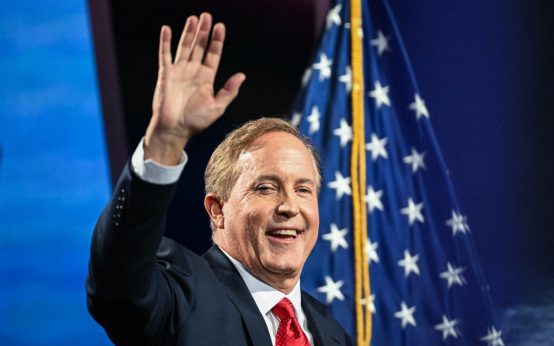 Ken Paxton’s Strategy for Avoiding Debates Faces Challenges in Tight Texas Senate Race
  Jimmy Kimmel Jokes About Trump and Nobel Prize
  Building Conservative Networks in Colleges
  Evaluating Sean Duffy’s $30 Billion Modernization Proposal