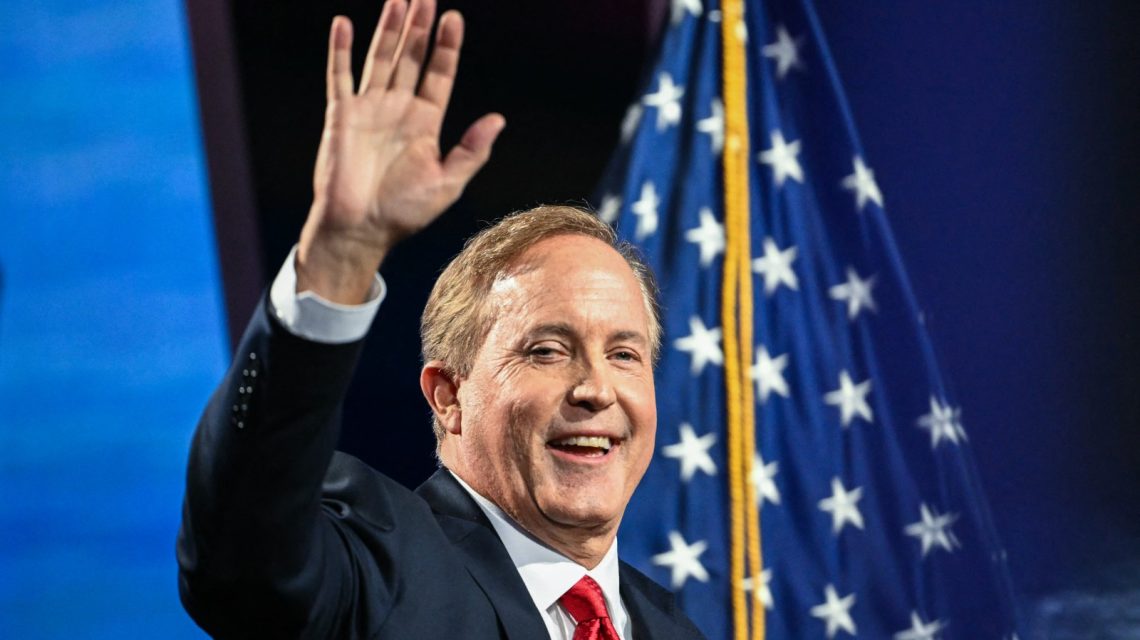
Texas Attorney General Ken Paxton has consistently avoided political debates with his opponents. This approach continues as Paxton has not agreed to any debates with his Democratic opponent, James Talarico, in the race for the U.S. Senate in Texas.
Despite his previous success in avoiding debates during his attorney general campaigns in 2014, 2018, and 2022, Paxton faces increased pressure to engage in a debate in his pursuit of the Senate seat—his most high-profile campaign to date.
A series of recent polls show Talarico either narrowly ahead or tied with Paxton. The Democrats are focused on gaining a Senate majority, targeting Texas—a state that has not elected a Democratic senator since 1988.
Talarico, a state legislator from Austin, challenged Paxton to three televised debates in July. He accused Paxton of avoiding reporters and potential debate engagements. Talarico even extended an invitation to debate on Fox News.
Paxton’s campaign initially stated he would participate in a debate but later raised objections concerning proposed moderators. There was speculation that an agreement was imminent, yet no announcements followed.
Paxton’s tendency to avoid debates contrasts with calls from prominent Republicans, including former President Donald Trump, urging him to confront Talarico in public debate.
Trump’s Involvement and Debate Demand
During a rally in San Antonio, Trump queried Talarico’s absence from the campaign trail due to illness. Trump used the occasion to call for Paxton to participate in a debate.
Talarico swiftly responded, agreeing to a potential debate. In an online post, he emphasized the urgency for Paxton to engage.
Republican strategist Karl Rove highlighted the risks Paxton faces by not debating. Rove stated that refusal might harm Paxton’s Senate ambitions.
Analysis on Paxton’s Position
Cal Jillson, a political-science professor at Southern Methodist University, expressed doubts about Paxton accepting any debate invitations. Jillson noted that Republican incumbents in Texas, despite losing polling leads, typically refrain from engaging Democratic challengers.
Paxton is perceived as a weak candidate and may rely on substantial national Republican funding to counterbalance the lack of debates, Jillson theorized.
Other analysts noted the potential fallout from Paxton’s debate abstention. Costas Panagopoulos from Northeastern University warned that Paxton’s refusal to debate might suggest an inability to defend his candidacy effectively.
Additionally, Grant Davis Reeher from Syracuse University pointed out that avoiding debates often creates a negative perception of a candidate.
Latest Polls and Election Outlook
Current polling data indicates a tight contest between Paxton and Talarico. Decision Desk HQ shows Talarico holding a three-point lead, while RealClearPolling presents a 2.8-point lead.
A YouGov survey found Talarico leading by six points among 3,625 likely voters, with a margin of error of 3 percent. Another poll from UMass Lowell/YouGov reported a tie at 45 percent support each, with a margin of error of 4.5 percent.
Recent surveys, including from Guidant Polling & Strategy and the New York Times/Siena College, also show narrow leads for Talarico, emphasizing the competitive landscape leading up to the election.
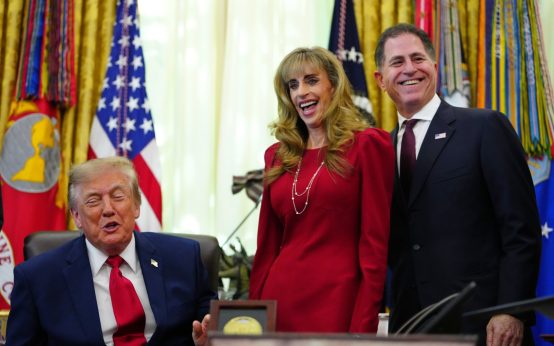 Expanded Contributions for Trump Savings Accounts Raise Concerns
 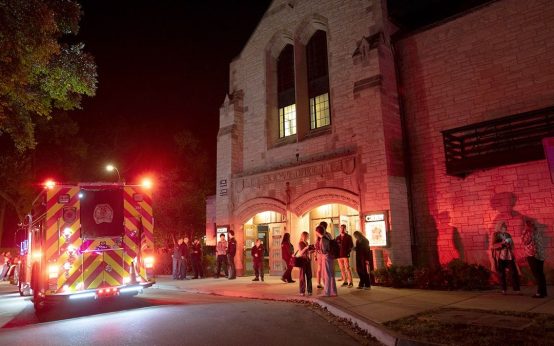 Play Highlighting Personal Accounts of 2023 Hamas Attacks Faces Disruption
  Jimmy Kimmel Jokes About Trump and Nobel Prize
  Judge Halts Trump Policy Blocking Immigration Checks
  Building Conservative Networks in Colleges
  Evaluating Sean Duffy’s $30 Billion Modernization Proposal