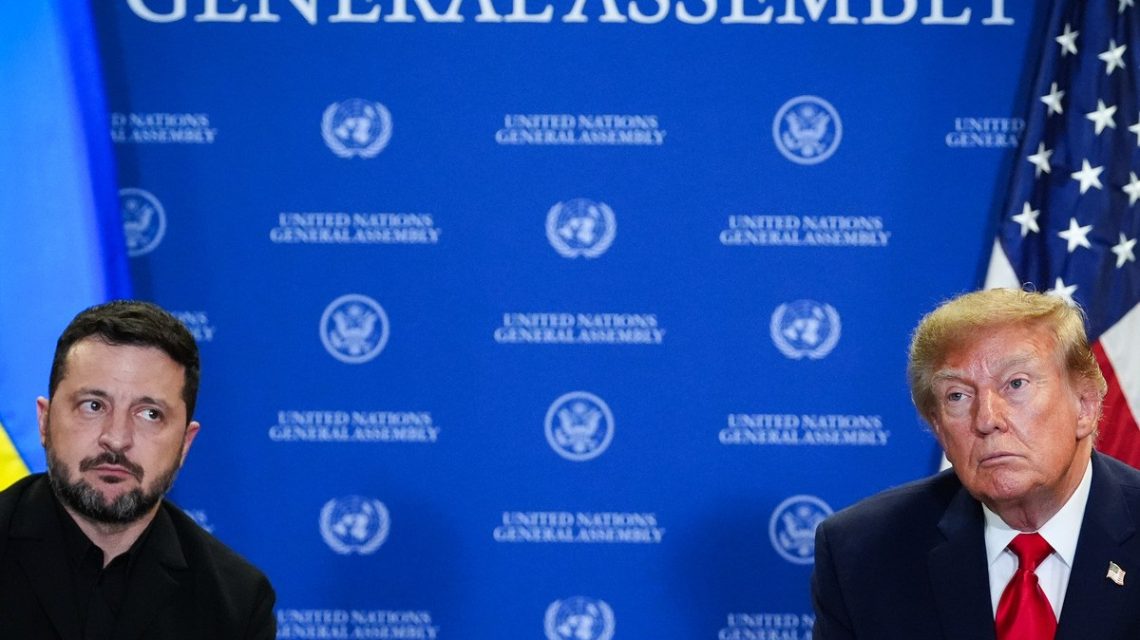
The recent statement by President Donald Trump urging Ukraine to elect a new leader introduces new concerns regarding President Volodymyr Zelensky’s future and the timing of the next electoral process in Kyiv. Trump’s comment, “I think it’s time for Ukraine to get a new president,” repeated his previous calls for elections in Kyiv—a notion prohibited by the Ukrainian constitution during wartime.
Zelensky faced criticism from Trump after voicing opposition to a new agreement providing the U.S. with access to significant quantities of Russian diesel. This deal followed the U.S. conflict with Iran, leading to the Strait of Hormuz blockade and increased fuel prices, exerting pressure on American citizens ahead of midterm elections. Zelensky described the agreement as “absolutely terrible,” suggesting it favored Russian President Vladimir Putin.
“Persistent Ukrainian drone strikes have targeted Russian oil and gas sites,” aiming to disrupt Kremlin revenue essential for its war efforts against Ukraine. Moscow retaliated by attacking Ukrainian power plants, causing power and heating outages, including in Kyiv.
On Sunday, Trump announced an “energy ceasefire” between Russia and Ukraine, declaring both nations agreed to “immediately” cease attacks on energy facilities. Although Russia has yet to comment, Ukraine expressed surprise but agreed to the deal, contingent upon Moscow’s compliance. Ukrainian Foreign Minister Andrii Sybiha announced that Russia had “violated the energy ceasefire immediately after it was released.” Meanwhile, Zelensky stated that Ukrainian authorities would organize elections if Russia agreed to a 60-day “total ceasefire.”
Ukrainian law prohibits elections while martial law persists, in place since Russia’s full-scale invasion in February 2022. Officials emphasize the challenge of holding safe elections under ongoing Russian attacks.
Zelensky’s tenure was set to conclude in May 2024. Russia deems Zelensky illegitimate, and Trump accused him of “using war” to avoid elections. Despite earlier popularity, polls by the Kyiv International Institute of Sociology show a majority now favor a new leader, with numbers rising from 46 percent in late 2025. Zelensky has yet to declare his candidacy for reelection, while 71 percent oppose current elections.
His administration has faced corruption allegations within his inner circle. The dismissal of former Defense Minister Mykhailo Fedorov sparked protests. A discussion emerges on potential candidates for Ukraine’s seventh presidency:
Valery Zaluzhnyi
Zaluzhnyi, a former Ukrainian military commander-in-chief and current ambassador to the U.K., is considered Zelensky’s top competitor. Research by the Ukrainian institution Rating Group indicates both Zelensky and Zaluzhnyi as potentially leading candidates in an assumed election. Nearly 23 percent of respondents favor Zelensky, while over a fifth support Zaluzhnyi. Trust levels tip favor Zaluzhnyi at 64 percent versus Zelensky’s 53 percent. Zaluzhnyi has not announced his presidential aspirations amidst speculation.
Kyrylo Budanov
Budanov gained prominence as chief of Ukraine’s GUR military intelligence agency, known for his resolute demeanor, targeted multiple times by Russia. Kyiv reported threatening incidents against Budanov’s wife in 2023. Serving as Zelensky’s chief of staff since 2026, Budanov has dodged queries about presidential ambitions, with 53 percent trust him according to Rating Group data. Roughly 6.7 percent state their vote would favor him in hypothetical elections.
Mykhailo Fedorov
Fedorov, aged 35, transitioned from being Ukraine’s drone leader, serving as deputy prime minister, to defense minister by January 2026. His tenure ended abruptly following disputes with Zelensky and the military’s General Oleksandr Syrskyi, leading to protests condemning his dismissal. Fedorov’s call for wartime elections challenged Zelensky’s rule. Rating Group indicates 38 percent trust him, with approximately 7.6 percent backing him in first-round elections.
Petro Poroshenko
Poroshenko, Ukraine’s president from 2014 to 2019 during Russia’s annexation of Crimea and involvement in the Donbas, remains an opposition lawmaker in 2026. He lost the 2019 election to Zelensky amid dissatisfaction over economic and corruption concerns. Elected during post-Maidan Revolution, Poroshenko’s initial popularity waned due to struggles against corruption and Russia’s influence.
In late 2021, Poroshenko was accused of treason, claiming the allegations political. Before the Russian invasion in 2022, he appeared in Kyiv court to vindicate his name. Sanctions in February 2025 followed from Zelensky’s administration, targeting assets based on “national security.” As a wealthy individual, Poroshenko aimed to align Ukraine closer to Europe, remaining active in opposition since his presidency.
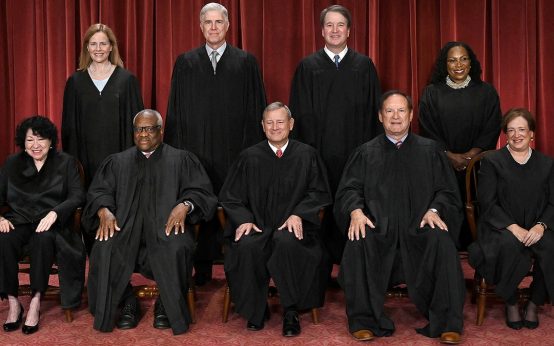 Debate Over Possible U.S. Supreme Court Expansion
 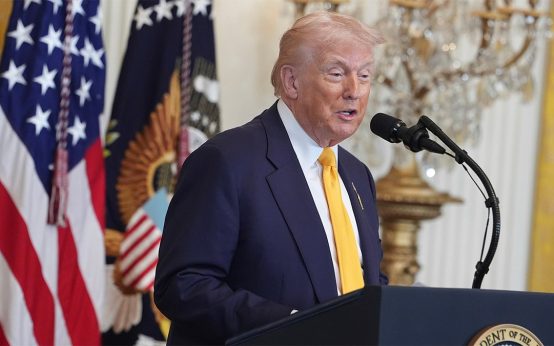 The Unveiling of Political Intrigue: Fox Nation’s Documentary
 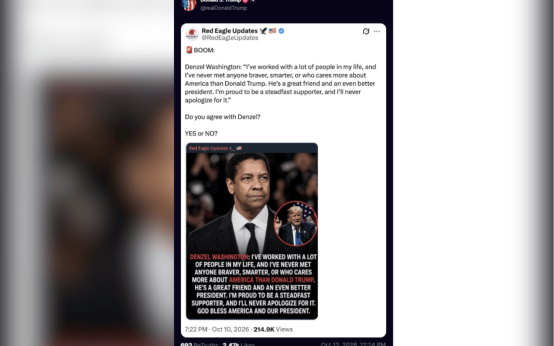 False Endorsements Claimed by Trump: Denzel Washington and More
  Pennsylvania’s Data Center Permit Tracker Unveiled Amid AI Industry Concerns
  Secret Service Reports Surge in Threats Against President
  Tragic Loss of Life in Migrant Boat Capsize off Djibouti