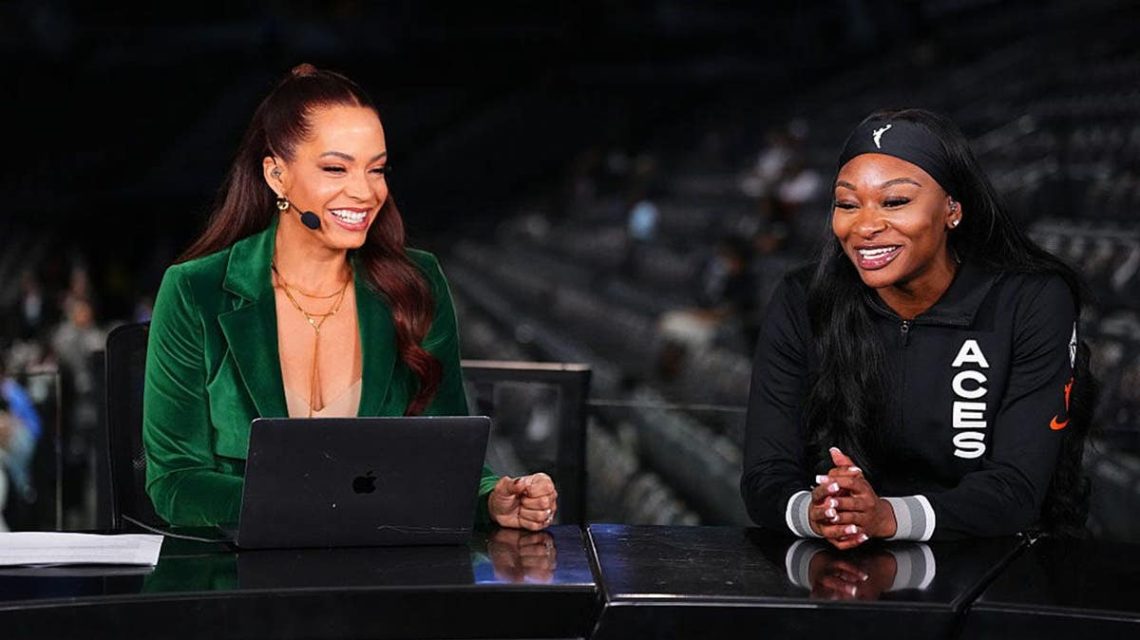
Former ESPN anchor Elle Duncan has spoken out about the discourse surrounding the WNBA, labeling it as “toxic as hell.” Her comments emphasize that Black women are often the target, describing them as vulnerable and lacking protection. During a discussion with Front Office Sports, Duncan expressed that Black women are marginalized, highlighting their perceived lack of protection as contributing to their role as “low-hanging fruit.”
Duncan criticized opportunists who, she claims, use Caitlin Clark’s success to diminish Black and queer women. She argued that by elevating Clark, others are reduced to “nothing.” Despite her claims, Duncan did not provide specific examples to support her assertions regarding the treatment of Black women in America or the WNBA. Some refuse to accept this premise due to Duncan’s career path, which seems to contradict her statements about the protection of Black women.
Duncan’s career trajectory at ESPN, which included being hired post-DUI arrest and using the network’s platform for political statements, suggests her position was secure despite controversies. Her political interventions included opposing legislation and expressing strong opinions regarding prominent public figures. Duncan has not faced disciplinary action from ESPN for her commentary, highlighting her level of protection. Duncan has since moved to Netflix for her sports coverage role.
Claims of inadequate protection for Black women in the WNBA also face scrutiny. Incidents involving players such as A’ja Wilson and DiJonai Carrington, who avoided suspension after aggressive actions, raise questions about accountability. Media often offers the benefit of doubt in controversies involving Black players, such as a panel on ESPN’s WNBA studio show allegedly holding Caitlin Clark to different standards.
Duncan’s role in politicizing the WNBA discourse when Clark arrived adds complexity. Duncan was known for criticizing Clark concerning racist online trolls, questioning Clark’s perceived responsibility for their actions. Since joining Netflix, Duncan has continued to comment on similar themes, implicating Clark in inappropriate comparisons made in media outlets.
The WNBA discourse has seen racial and social dynamics come to the forefront, with Duncan and others both contributing and condemning it. Clark’s entry into the WNBA as a celebrated figure cast her popularity in the light of race, prompting resentment among players and media engaged in polarizing dialogue. This framework prompted backlash, intensified by portrayals of Clark’s success as white privilege.
Ultimately, Duncan and others have played significant roles in shaping the WNBA’s discourse. Their portrayal as victims of divisive rhetoric represents a revision of events, as their contributions to the conversation have been substantial. The continuing dynamics of race, privilege, and popularity remain central to ongoing debates around player representation.
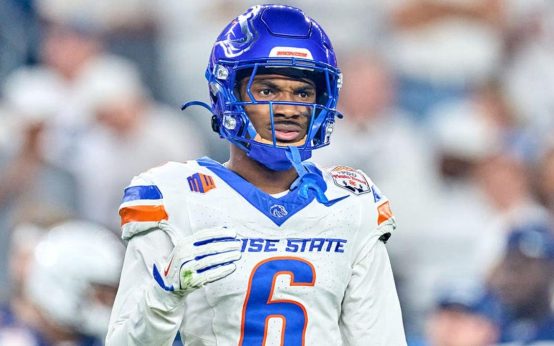 Michigan Wolverines Enroll Two Players Amid Court Ruling
 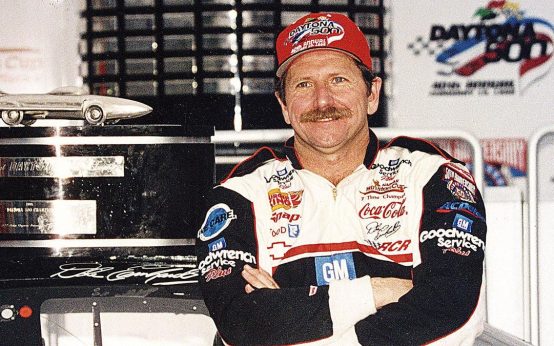 A Nation United in Memory of Dale Earnhardt
 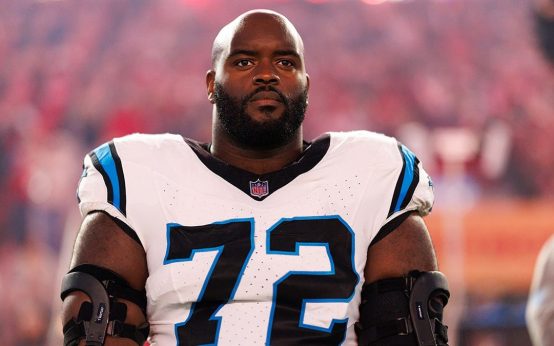 Ken Anderson and Taylor Moton Discuss Health and Football
 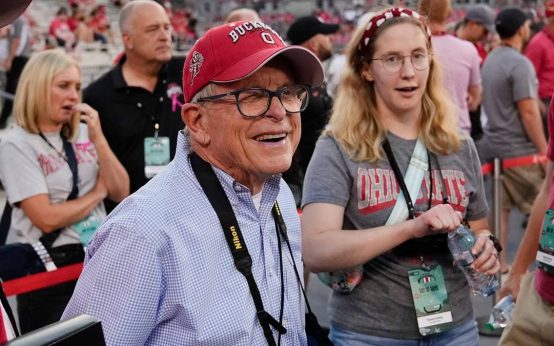 NCAA President Faces Scrutiny Over NIL and Eligibility Disputes
 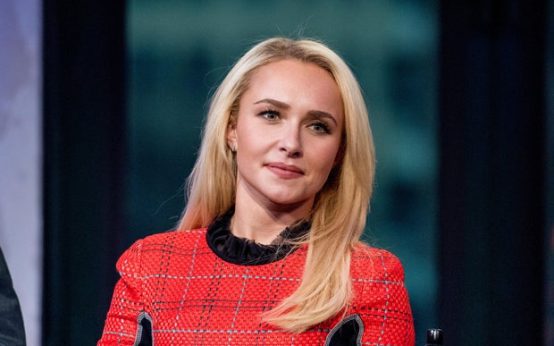 Hayden Panettiere’s Passing: Circumstances and Impact
 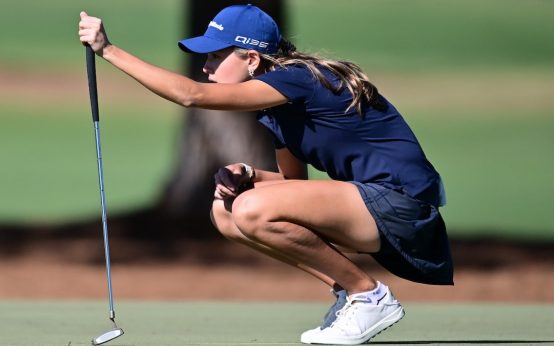 Kai Trump Faces Setback in Freshman Golf Season