
Polls are once again the subject of intense scrutiny. Many quickly declare them unreliable. However, polls themselves are not declining in quality. Instead, various factors are presenting unique challenges for polling accuracy and for how the public interprets their results.
The landscape of polling has evolved significantly. Traditional methods face competition from newer, unconventional techniques. This shift affects the ability to capture a truly representative sample of the population.
Response rates to surveys are declining, partially due to a saturation of phone surveys and the increasing use of mobile phones, which are harder to reach. Moreover, people are wary of unsolicited calls, leading them to ignore survey requests.
The diversity of communication channels adds another layer of complexity. Online surveys, social media polls, and other digital tools introduce variation in how people are sampled and how they respond. These variables can influence the reliability of collected data.
Additionally, the political climate influences how individuals react to polls. Partisan divides may cause respondents to self-censor based on perceived political biases within pollsters or how they believe their responses will be used.
It is crucial to address these challenges both in the polling methodology and in educating the public about interpreting poll results responsibly. Understanding these factors can lead to improved methods and greater trust in forthcoming polls.
 Former U.S. Ambassador to Greece Accused of Ethical Violations
  Challenges Facing Modern Polling
  The Impact of Recent Supreme Court Decisions on Democratic Politics
 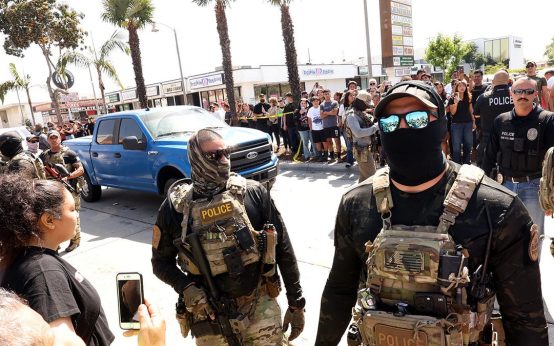 Trump Administration Wins Court Ruling Against California Law
 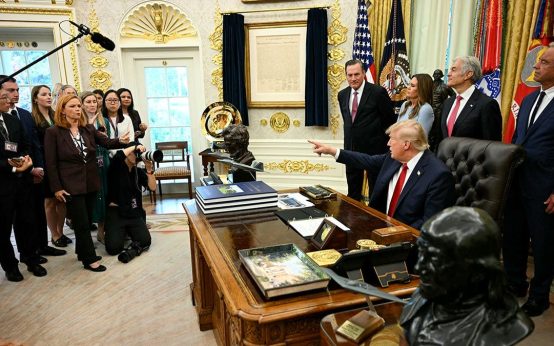 Brit Hume Challenges Trump’s Media Ban and Its Effectiveness
 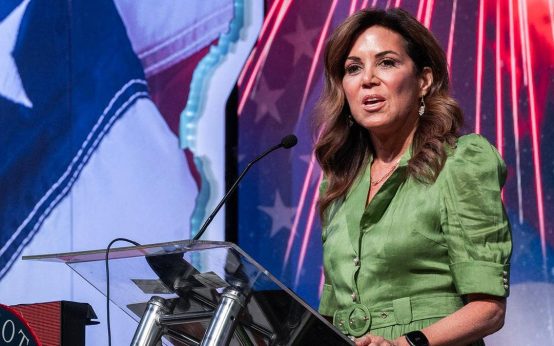 Republican Senate Hopes Rise in Minnesota