The deck beneath my feet stays warm, echoing the day’s heat. We’re anchored near Antigua. The sun glistens off the water, and the air carries a soft, salty fragrance, with a hint of sweetness. In my hand, a glass of Sancerre glistens with condensation, and the breeze gently caresses my skin on the deck of my client’s yacht. I feel at ease here, much like in my own living room. This comfort surprises me, considering how few experience such moments and feel so at home.
This unexpected situation stemmed from an unusual friendship that taught me about humanity and connection. At 12, I met Jimbo, a 34-year-old Vietnam veteran. My life then was turbulent. I was despondent and apathetic, struggling after my father’s suicide and my mother’s own sorrow, which left her challenged to care for us three children. We lived in San Antonio, Texas, with our utilities often cut off due to poverty. Yet, the unspoken grief overshadowed all hardship.
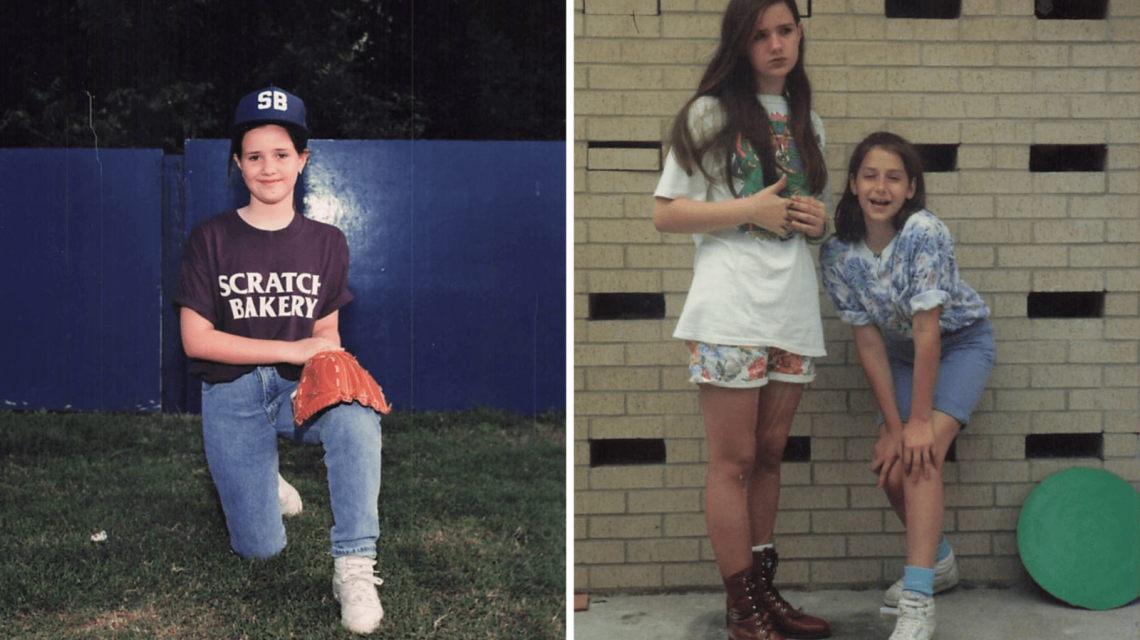
In a cruel twist, our deteriorating home lay just within the boundaries of the city’s wealthiest school district. Unfortunately, the school’s culture, focused on reputation and appearances, suffocated me when what I needed was empathy. As a naturally bubbly child, I had friends initially, but entering fourth grade, the stark differences in our lives shattered my confidence. Others wore designer clothes while I rotated a few hand-me-downs.
By fifth grade, bullying began, with torment about my clothes and my absent father. Questions lingered: Where was her father? Why couldn’t friends visit? What happened at home? Not only was I singled out for my appearance, but also for unseen factors. Home and school contrasted sharply, fuelling my frustration.
I abandoned fitting in and chose rebellion, skipping school and experimenting with substances, ultimately dropping out. My sister and I often dreamed of running away to Venice Beach. So, when she invited a man behind a neighborhood store back home, it felt fitting. This man was Jimbo, whom we discovered with satisfaction and whom I found instant affection for.
For two years, Jimbo became a close friend. He shared tales of touring with REO Speedwagon, serving in Vietnam, and living freely. His stories, whether true or not, were consistent, engaging, and humorous. He appreciated my indignation and trusted my view of the world.
Jimbo called me “Little Bit” for my spirited nature. He encouraged my skepticism towards the hypocrisy I saw. Together, we created makeshift camps in the neighborhood, naming them whimsically. At “The Green Room”—our haven—under the trees with a makeshift carpet floor, we shared songs, poetry, and laughter. In that space, we found freedom and camaraderie.
“Everything’s copacetic,” Jimbo would say, and thus the Copacetic Club was formed. As we arrived at campsites, we would announce ourselves as a joke about Jimbo’s PTSD from Vietnam.
Jimbo was No. 1, and I was honored as No. 2. Our group, each with unique struggles, created a society that provided belonging. Despite his light spirit, Jimbo wrestled with alcoholism and mourned his lost family. Our time together couldn’t erase pain; we focused on freedom, laughter, and momentary release.
Our paths eventually diverged after I turned 14. I found a full-time job, returned to school, and pursued a different path. At 19, I last saw Jimbo, who seemed diminished, affected by alcoholism. Yet, the bond remained, though we were worlds apart.
Jimbo passed at 42, buried with fellow veterans. As my life grew, interacting with the wealthy and powerful unveiled common struggles beneath the surface: insecurity, longing, and the desire to be understood. Judgment and categorization of people faded, replaced by empathy due to Jimbo’s influence.
Jimbo taught me that wealth and homelessness are different facades over the same vulnerable core. He wasn’t a typical mentor, and I wasn’t the typical friend. Yet, through our connection, I navigated a difficult period, moved from poverty, and became comfortable among those I once judged.
Unlikely friendships transform and reveal that love begins when we cease insisting on separation. Jimbo granted me belonging when it counted. I measure friendship by its ability to rejuvenate us, thanks to Jimbo and the unexpected bond we shared.
Meghan Cathlin is the founder of Considerate Ventures, author of Leading With the Heart, and the host of the Heart Led podcast. The views in this article belong solely to the author.
Do you have a personal essay for Newsweek? Share your story at [email protected].
 The Quest for the Knuckleball Dream
  Navigating Grief After a Sibling’s Overdose
  Tragedy and Immigration: The Impact on a Family
  The Journey of a Fox News Correspondent: From Infectious Diseases to On-Air Reporting and Beyond
  Midwest Underground Railroad Network Gains National Recognition
  Journalist Jodie T. Allen Passes Away at 88