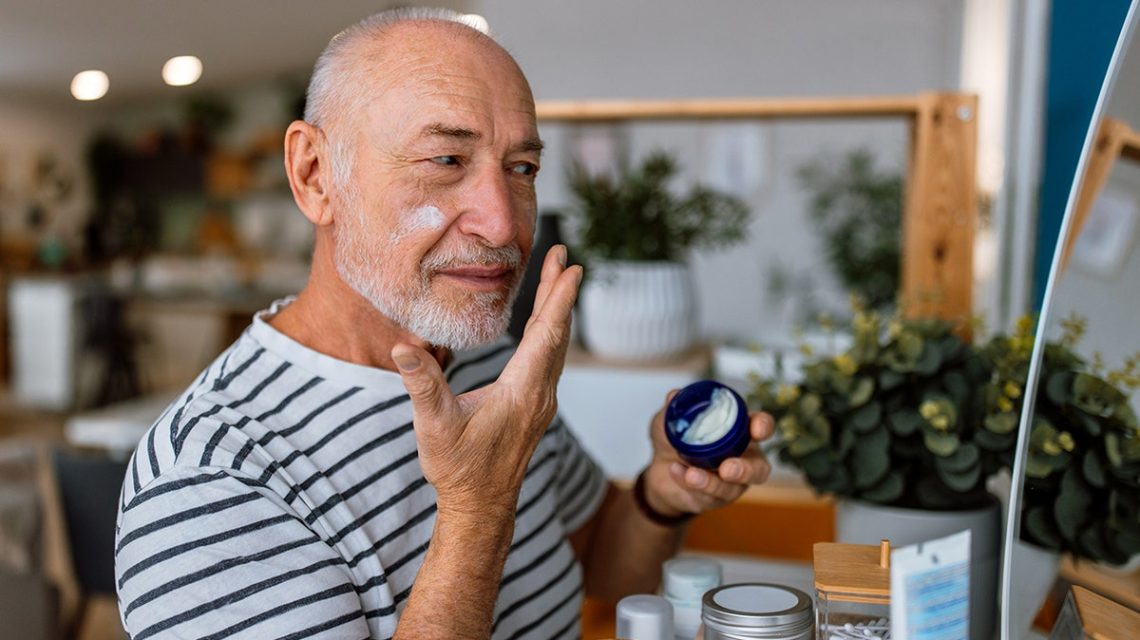
Researchers reported promising preliminary results from a study on an experimental skin cream, altering markers linked with aging and inflammation. This development came from Rubedo Life Sciences, a biotechnology firm in Mountain View, California. Their investigational treatment, RLS-1496, was tested on patients with eczema and other skin conditions.
Initial Findings from the Study
An analysis of 11 paired skin samples from patients with atopic dermatitis showed that four weeks of treatment corresponded with an average 2.1-year decrease in epigenetic skin age. This estimate is based on age-related changes in DNA.
Dr. Frederick Beddingfield, CEO of Rubedo, emphasized the importance of these early findings, stating they justify further research. “This is one of the few treatments developed for aging in general and with AI support to show positive outcomes in humans across multiple indications,” Beddingfield noted.
The early trial suggests that with prolonged use, these results could lead to more noticeable clinical improvements.
How RLS-1496 Works
The cream focuses on senescent cells. These aging or damaged cells stop dividing but release substances causing inflammation. RLS-1496 targets GPX4, a protein that assists cells in managing stress. Blocking GPX4 may eliminate these damaged cells while fostering healthier cell functions.
Beddingfield explained that their approach addresses cellular aging instead of merely treating its visible effects. He compared it to a “what doesn’t kill you makes you stronger” scenario for surviving cells.
Skin samples from the study indicated a 10% increase in structural collagen and reduced inflammatory markers in the blood.
Limitations and Future Research
Despite promising outcomes, the preliminary findings present several limitations. The analysis involved only 11 paired samples and measured biological aging cues, not the skin’s visual appearance or functional changes.
The treatment lasted four weeks, leaving the longevity of changes uncertain. Further trials will extend over several months to gather more comprehensive data.
In another study involving 22 patients with actinic keratosis, the cream showed a 49% average reduction in lesions after 28 days of treatment. The study compared treated and untreated forearms without using a placebo.
According to the company, the cream caused minimal skin irritation, with few participants showing drug presence in their blood.
Rubedo plans to begin trials of RLS-1496 for androgenetic alopecia, aiming for FDA approval within three to four years. Non-prescription formulations might enter the market sooner, pending trial results.
 The Importance of the Ensuring Lasting Smiles Act
  Americans’ Confidence in Food Safety Hits Record Low Amid Outbreaks
  Early Arrival of Influenza Season: Time for Your Flu Vaccine
  Exploring the Promising Applications of GLP-1 Drugs
  FDA Issues Class I Risk Warning for Recalled Salad Products
  Eli Lilly’s Retatrutide: Promising Results and Cautionary Warnings