Overview of the Retatrutide Clinical Trial
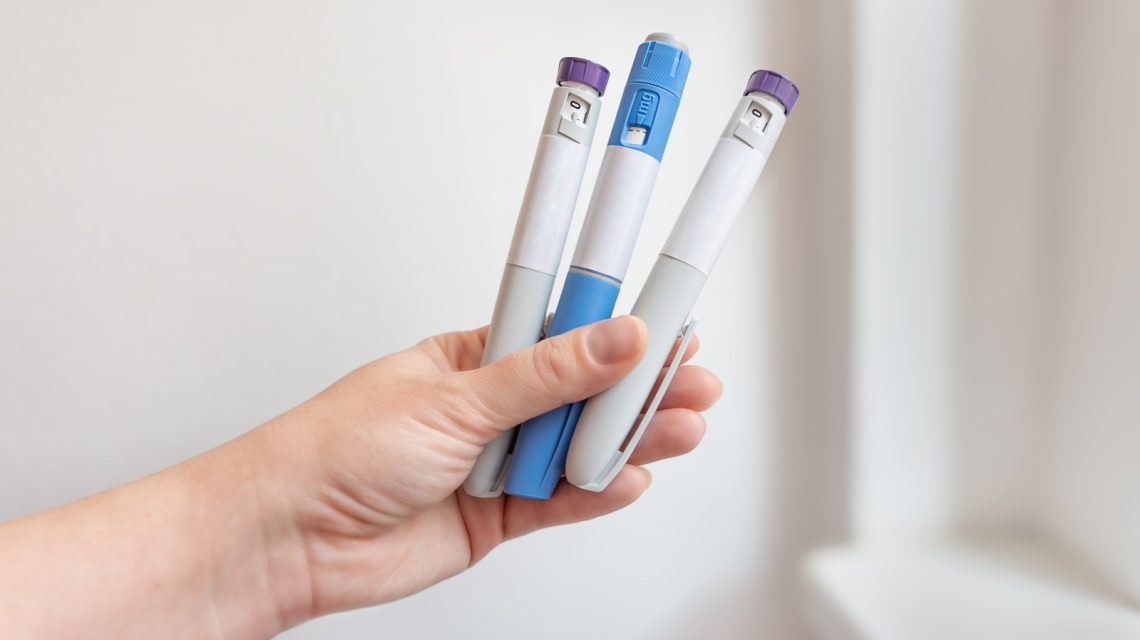
A recent phase 3 clinical trial, funded by Eli Lilly, examined the effectiveness of a new weight-loss drug, retatrutide. The study revealed that retatrutide led to significant weight loss among participants. The findings were published in the National Library of Medicine, reflecting the growing demand for anti-obesity medications. As the search for advanced treatments progresses, interest in drugs like retatrutide increases. Researchers are exploring whether these drugs can achieve greater weight loss than existing therapies like Wegovy and Ozempic, while also addressing obesity-related conditions such as sleep apnea and osteoarthritis.
Mechanism of Retatrutide
Retatrutide targets three hormone receptors, differing from the widely used GLP-1 drugs, such as Wegovy and Ozempic, that focus solely on the GLP-1 hormone. These established drugs mimic the GLP-1 hormone to prolong fullness, aiding weight loss. Retatrutide, however, also targets the glucagon and GIP hormones. Researchers suggest that the glucagon activity may enhance energy expenditure and fat burning, contributing to the notable weight loss observed in trials. During the trial, retatrutide was administered by injection, similar to some GLP-1 drugs. There are also GLP-1 pills like those approved by the FDA last year.
Details of the Eli Lilly Trial
The clinical trial involved 2,339 obese adults without diabetes over an 18-month period. Participants included those with knee osteoarthritis and obstructive sleep apnea. They were randomly assigned to receive retatrutide at doses of 4, 9, or 12 milligrams, or a placebo. Results showed substantial weight loss among retatrutide users. Specifically, there was a 17.6 percent weight reduction in the 4-milligram dose group, 23.7 percent in the 9-milligram group, and 25 percent in the 12-milligram group. Those on the placebo saw a 3.9 percent decrease. Additionally, participants with knee pain or sleep apnea reported improvements.
Challenges and Safety Concerns
Despite its promise, retatrutide has not received FDA approval. Eli Lilly plans to seek regulatory approval but has not set a date. The drug is still experimental, and Eli Lilly cautions against its use outside of clinical trials. Reports suggest unauthorized sales of retatrutide are occurring, prompting Eli Lilly to warn against potential health risks. The company’s website advises against consuming unapproved products that claim to be retatrutide. Such products may contain unknown, harmful ingredients.
Reports of Black Market Risks
Concerns have been raised regarding the illicit market for retatrutide. CBS News reported two deaths linked to alleged black-market retatrutide, highlighting the dangers of unregulated substances. These incidents were not associated with the official Eli Lilly trial. Eli Lilly, along with Dr. Brian Wojeck, emphasizes the risks of using compounded or illegally obtained agents, as these have unverified safety and dosing, which could lead to adverse events.
 Medicare Insurer Sues Trump Administration Over Rating Dispute
  Ken Anderson and Taylor Moton Discuss Health and Football
  New Blood Test May Predict Alzheimer’s Disease Risk
  Kenya Faces Ebola Cases Amid Congo’s Ongoing Outbreak
  Enhancing Breast Cancer Detection with AI: Insights from Dr. Rachel Brem
  Inadequate Mental Health Support for First Responders in Arlington County