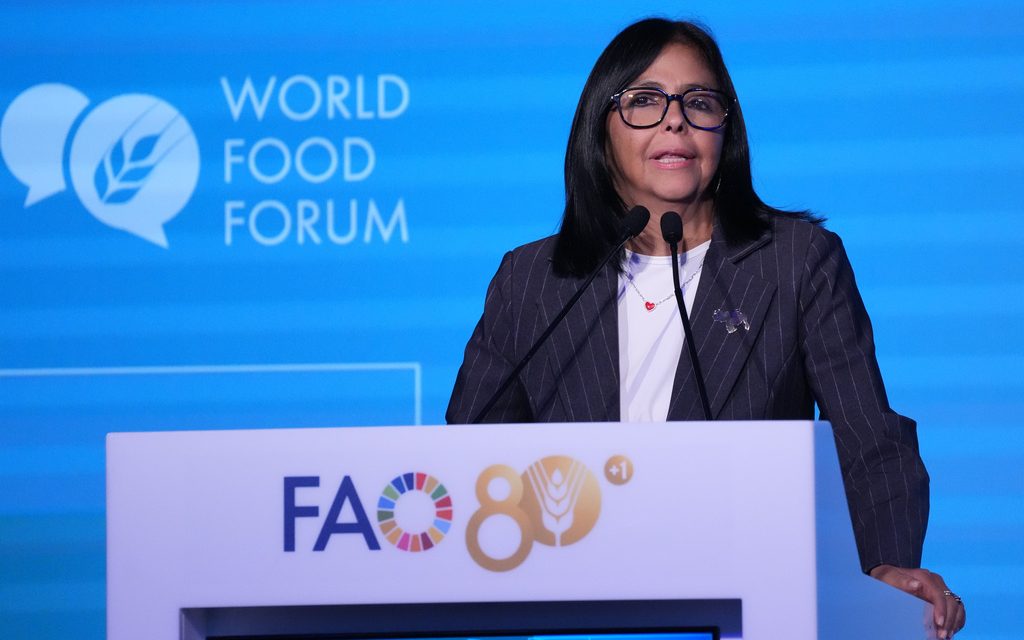
Delcy Rodríguez, acting president of Venezuela, addressed the World Food Forum 2026 in Rome. Meanwhile, Venezuela faces territorial control by Colombia’s ELN and FARC dissidents. These groups are involved in a violent struggle, exploiting Venezuelan minerals and selling them to Chinese buyers.
The situation has forced over 56,000 people to flee. Secretary of State Marco Rubio, speaking from Barranquilla, Colombia, highlighted the impunity with which these organizations operate across borders. To support Colombia’s efforts against these groups, the Trump administration can apply pressure on Venezuelan officials suspected of collusion.
Marco Rubio’s call for decisive action against the Venezuelan government represents clarity in U.S. policy. Concerns about Rodríguez’s administration as a security partner rather than a sanctuary for terrorist groups has been reinforced. Venezuela’s organized crime, such as Tren de Aragua, profits from gold and minerals.
Venezuelan mineral wealth, spanning regions like the Orinoco, is exploited by officials in league with criminal groups. Critical minerals like tin, rare earth elements, and coltan are smuggled to Chinese buyers, avoiding U.S. markets.
Smuggling operations utilize official, illicit routes to China, often benefitting from corrupt port officials and military buy-offs. These actions reinforce China’s dominance in mineral processing, undermining American economic security.
Although Venezuelan minerals could diversify U.S. supply chains, the lack of legitimate mining operations hinders this. U.S. regulations meant to foster investment inadvertently feed illegal activities. Sanctions allow purchases from Venezuela, misjudging market legitimacy, thus aiding criminal funds.
To address this, the U.S. Treasury Department has relaxed compliance with the Bank Secrecy Act in Venezuela. However, investment remains stagnant as potential U.S. mineral refiners hesitate due to ties with criminal networks.
Rather than facilitating American industry entry, current policies effectively bolster Chinese interests and criminal operations. Rubio stresses the unsustainability of this scenario, urging a reassessment of Venezuela’s complicity in this framework.
Josh Birenbaum, deputy director at the Center on Economic and Financial Power, and SOSOrinoco founder Cristina Vollmer Burelli, amplify these concerns. They advocate recognizing the systemic corruption and criminal interaction as key to reshaping policy.
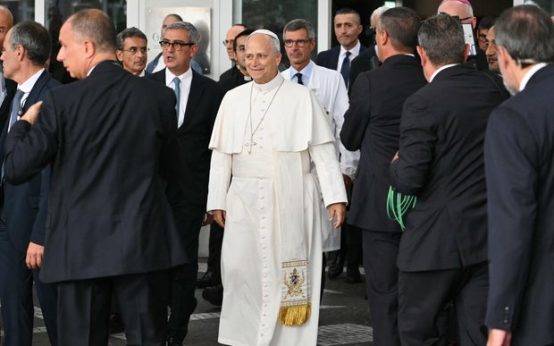 Pope Leo XIV’s Cancer Surgery and Recovery
 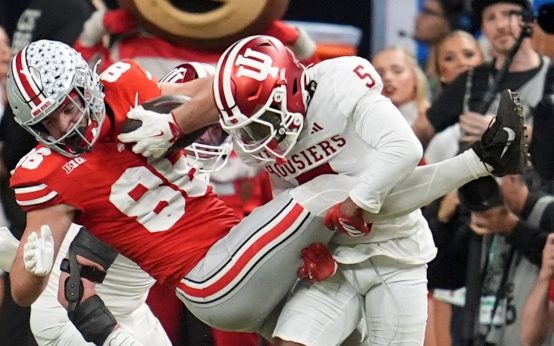 Indiana University’s Deep Military Heritage and Impact
 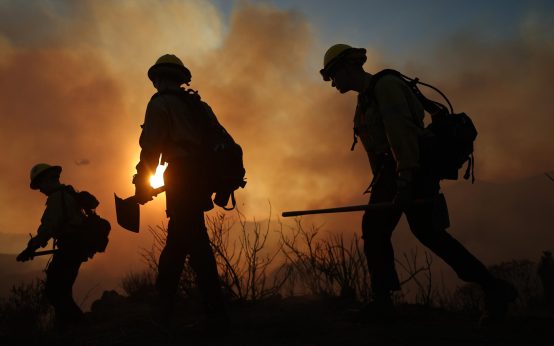 Malibu: Living in the Shadow of Fire
 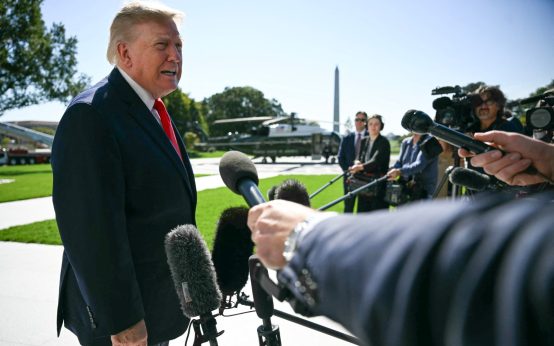 Trump’s Waiver of Russia Sanctions Faces Backlash From Lawmakers
 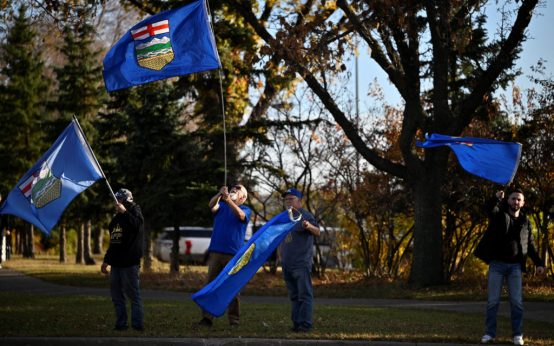 Alberta’s Path to a Referendum on Separation Sparks Debate
 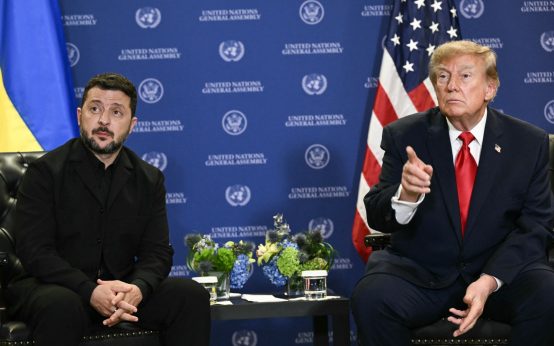 Trump Criticizes Zelensky Over New Strikes on Russian Oil Facilities