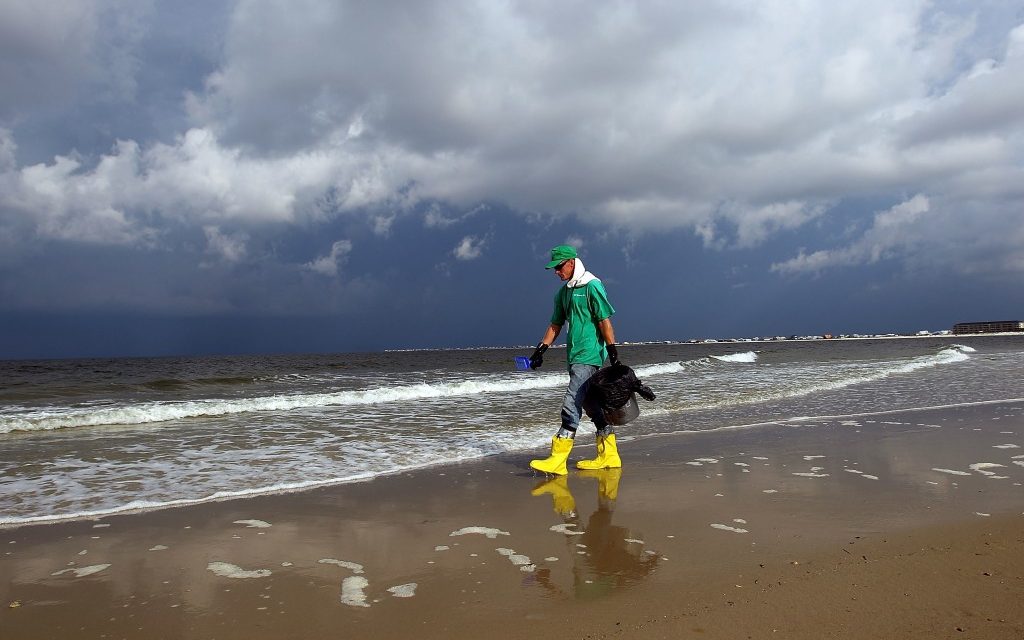
In a significant sector of the Gulf of Mexico, marine life numbers declined sharply by approximately 60% following the 2010 Deepwater Horizon explosion, according to a new study. This event, managed by BP, resulted in the spill of 134 million gallons of oil. Consequently, the population of various species dropped between the surface and deep waters of the Gulf.
Decline in Marine Populations
The study reported a 63.5% decrease in fish numbers from a year after the spill to 2015. Crustaceans, important for sustaining species such as whales, fell by 62%. Larger creatures like squid and octopuses decreased by 59.7%. This research was published in the journal PNAS and highlights no significant recovery in these numbers.
Research Insights
Researchers focused on the ‘twilight zone’ of the ocean. This region lies above the seafloor and supports numerous marine species. Surprisingly, this part of the Gulf remained unstudied prior to the 2010 spill, according to lead author Tracey Sutton from Nova Southeastern University.
In 2011, a post-spill investigation used nets and acoustic sonar to assess sea life up to 5,000 feet deep. When revisited three and a half years later with the same methods, findings indicated sea life had reduced to about one-third of its previous numbers.
“The decline we observed can be attributed mainly to the oil spill as no other factors such as temperature, oxygen, or food showed any variation matching this decline,” Sutton remarked.
Long-Term Monitoring and Findings
Research continued beyond 2015, showing consistently low populations with minor, non-lasting increases in 2022 and 2023. Various methods documented these declines, including net catches, sonar findings, and genetic studies, which revealed decreasing genetic diversity due to inbreeding.
Sutton indicated many marine creatures perished immediately post-explosion, which also led to long-term genetic and health issues in surviving and subsequent generations.
Oil Spill Consequences and Human Intervention
BP spokesperson Paul Takahashi acknowledged the lasting impact of the accident on the company. He noted changes implemented to prevent future incidents of similar magnitude.
Study co-author Isabel Romero highlighted how dispersants used during the cleanup exacerbated the problem by breaking oil into smaller droplets, thus increasing animal exposure in deeper waters.
Rita Colwell, a former National Science Foundation Director, emphasized the need for alternative solutions in future spill responses. She advocated for agents that promote oil-munching microbes instead of chemical dispersants.
Challenges in Establishing Direct Links
While researchers couldn’t definitively link the BP spill to the declines, eliminating other factors pointed to the spill as the likely cause. Lanternfish and dragonfish experienced significant population drops, disrupting the marine food chain they form the base of.
Unexplored Ocean Depths
The study shed light on the connectedness of the ocean ecosystem in the Gulf. Marine life movements between surface and deep waters create an integrated system, rather than distinct layers. This understanding counters previous assumptions, illuminating the broader environmental impact.
Outside researchers underscored the need to prioritize such findings in discussions on deep-sea mining and oil drilling. Awareness of these consequences, which were previously overlooked, is crucial for future policy and conservation efforts.
 Severe Weather Risk and Atmospheric Conditions in Arizona and Southern California
 Michigan City Residents Protest Coal Plant Over Environmental Concerns
 Suburban School Districts Grapple with High Diesel Costs
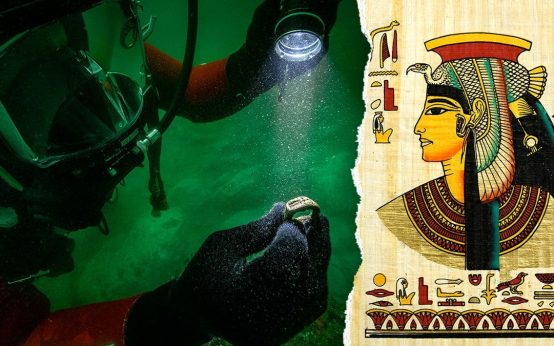 Ancient Ring Discovery in Submerged Harbor of Cleopatra
 Meta’s Settlement and AI’s Impact on Children’s Development
 Alaska’s Agricultural Challenges and Land Development