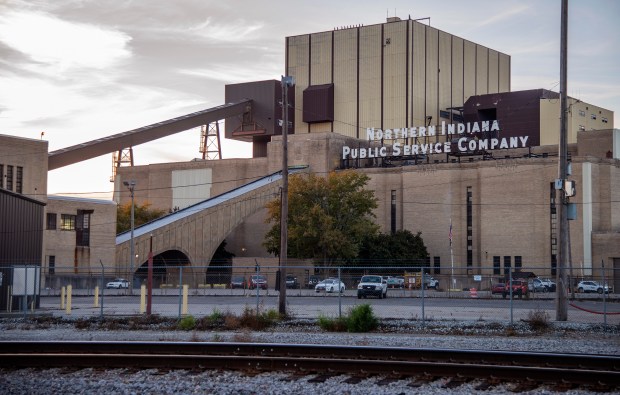
Dave Horn, a resident of Michigan City for 41 years, expressed his discontent with NIPSCO’s coal plant in the area. He described the beach as beautiful while labeling the plant as a blight. Horn stated, “Probably, at one time, coal was a good answer, but it’s no longer a good answer. It’s not acceptable, and the pollution that comes off of it is undeniable.” The coal plant, Michigan City Generating Station, was criticized during a protest on October 19, 2026. Horn and other residents joined the Sierra Club and Just Transition Northwest Indiana to oppose the plant.
The protestors demanded NIPSCO retire the coal plant as promised by 2028. They expressed concern that the plant might remain operational to power data centers in the region. NIPSCO representatives declined to comment on the protest. The future of the plant is expected to be part of NIPSCO’s 20 Year Energy Planning meetings.
Gloria Horn, another protestor, voiced frustration with NIPSCO, claiming they prioritize profits over citizen welfare. She felt the utility was reneging on its promise, and was worried about the impact of local data center growth on regional coal plants. Dave Horn shared these concerns, believing profit motives drive any delay in plant retirement.
Megan Anderson, senior campaign organizer for the Sierra Club, noted Michigan City residents’ anxiety about air and water pollution from the power plant. She cited the presence of toxic heavy metals in coal ash, warning of potential health hazards like cancer.
Lawrence Zimmer, another protestor, emphasized the importance of adherence to retirement pledges. Zimmer, who lives near the plant, has observed pollutants on his property. He cleaned gray mud from his gutters after rains, pointing to persisting airborne toxins. He advocated for renewable energy to power data centers in an environmentally friendly manner.
Ashley Williams of JTNWI highlighted the regional push for environmental activism. Williams stressed collaboration with the Sierra Club was vital in pressuring NIPSCO. The aim was to prioritize residents’ health over profits and use political opportunities to drive change.
Williams noted a shift in public sentiment as elections neared, with residents eager to influence political decisions. Zimmer shared aspirations for cleaner energy investments as he experiences the effects of pollution firsthand. He called for renewable sources to support data centers, acknowledging it as an incremental but positive step towards environmental responsibility.
 Instacart Reaches $5 Million Settlement Over H-1B Job Advertising Practices
 Impact of 2010 Deepwater Horizon Spill on Gulf of Mexico Marine Life
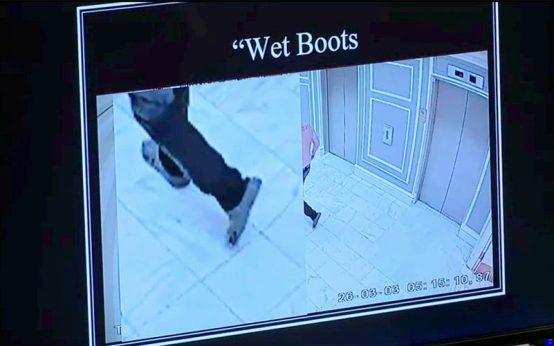 Las Vegas Tourist Accused of Harming Flamingo in Hotel
 Suburban School Districts Grapple with High Diesel Costs
 Canadian Tourist Convicted of Flamingo Cruelty in Las Vegas
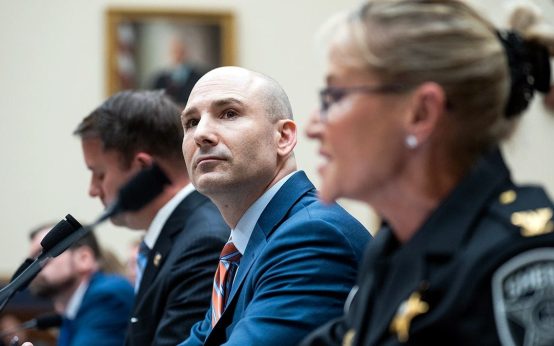 Fairfax County’s Immigration Detainer Practices Under Scrutiny