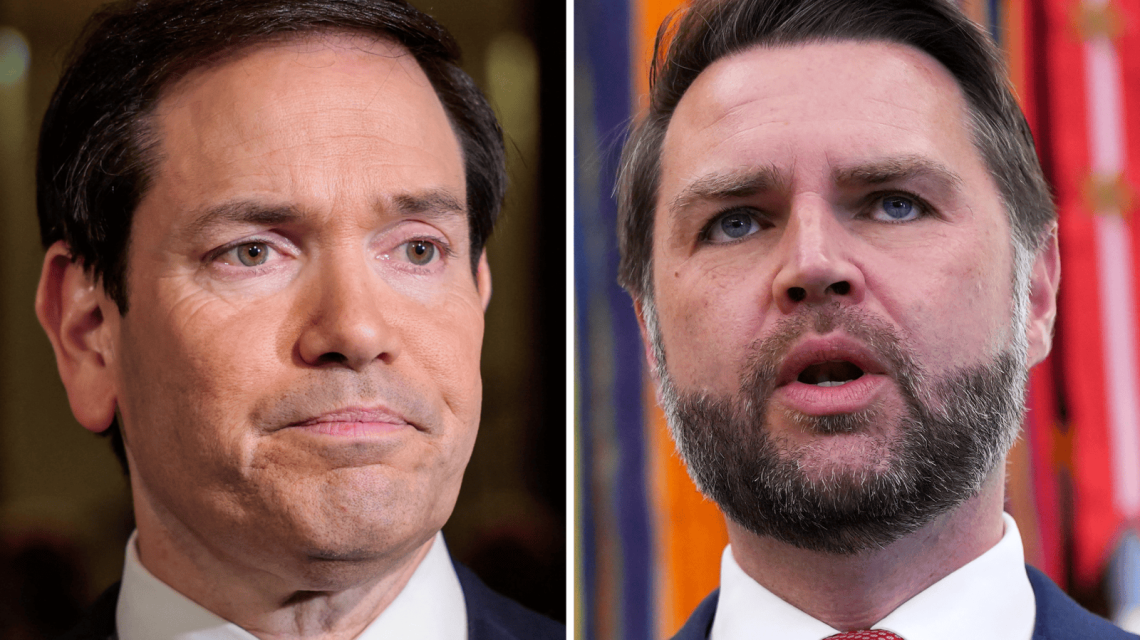
Vice President JD Vance and Secretary of State Marco Rubio have lost ground in the prediction markets for the 2028 Republican presidential nomination. A Newsweek analysis of Polymarket and Kalshi data shows significant shifts in their odds.
Polymarket recorded nearly $714 million in cumulative trading volume. Vance’s odds fell from approximately 53% on September 3 to 43.8% on a recent Tuesday. Meanwhile, Rubio’s chances dropped from 27.8% on August 3 to 15.1%. At Kalshi, Vance’s odds slipped from 45.8% to 43%, and Rubio’s from 29.5% to 18%, with close to $70,000 exchanged.
Vance recently acknowledged he might not pursue the presidency, citing family considerations. This acknowledgment sparked discussion about Republican confidence in succession plans post-President Trump.
People are not reading much into the announcement.
Economics professor Koleman Strumpf from Wake Forest University advised against overstating these market shifts. He noted only minor fluctuations following Vance’s remarks, suggesting the lack of a pronounced beneficiary might indicate that traders do not view Vance’s comments as significant.
Political science experts shared perspectives on how midterm election results could impact the Republican landscape for 2028. Costas Panagopoulos from Northeastern University highlighted potential repercussions of midterm losses. Such outcomes could make Trump’s administration a liability for successors like Vance and Rubio.
Thad Kousser, a political science professor from the University of California, San Diego, remarked that both men benefitted from their ties to Trump, raising questions about future dynamics post-2026 elections.
The 2026 midterms might force Republicans to rethink their alignment with Trump’s politics. Panagopoulos argued that Democrats winning in traditionally Republican territories could signify a deeper issue for the GOP.
Market prices, according to political communications strategist Mike Fahey, reflect overall uncertainties within the Republican Party’s succession strategy. Confidence in the current administration wanes, affecting both Vance and Rubio, due in part to their strong association with Trump.
Keith Gaddie from Texas Christian University warned that prediction market prices should not be mistaken for public opinion polls. Market movements indicate trader expectations rather than voter preferences.
These markets, highlighted by Strumpf, present rapidly updated forecasts but do not capture representative voter insights. Discrepancies between market activity and public sentiment underscore the complexity in forecasting political outcomes.
 Ilhan Omar and Federal Investigation Involving Her Family
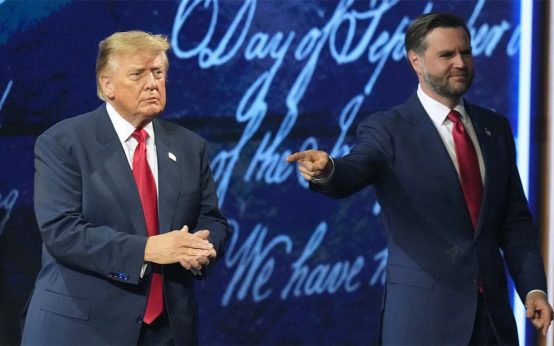 Vice President JD Vance Discusses Potential 2028 Presidential Run and Trump’s Endorsement
 Political Endorsements and Election Dynamics Amid Foreign Influence Concerns
 Tensions Escalate in Ohio Governor’s Race as Controversial Video Surfaces
 International Endorsements in U.S. Politics
 Pelosi’s Influence on San Francisco’s Political Future