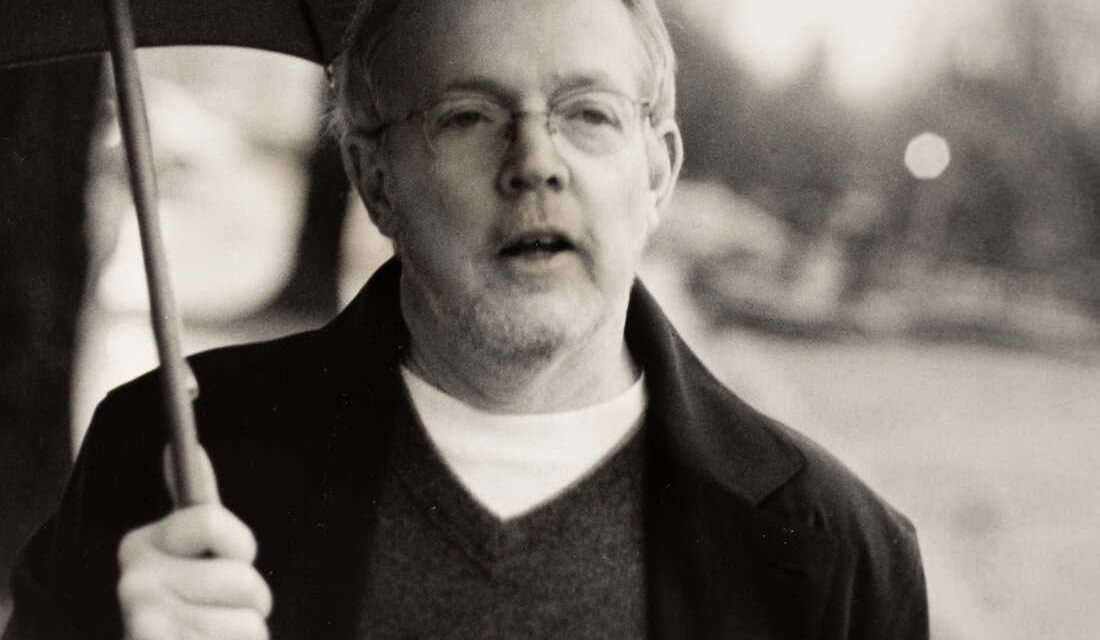
Noah Adams, known for his pivotal role as host of NPR’s All Things Considered for 18 years, has passed away at 84. Adams, with his gentle voice and vivid writing style, played a key role in shaping NPR’s unique sound and storytelling approach, according to his wife, Neenah Ellis. He passed away at his home in Yellow Springs, Ohio.
Throughout his career, Adams guided listeners through major historical events such as Ronald Reagan’s election wins, the fall of the Berlin Wall, and the September 11 terrorist attacks. Colleagues recall his journalism prowess, especially noted in the softer, human-interest features he crafted. Adams would often immerse himself in experiences, riding trains cross-country or visiting small towns to connect deeply with people through listening and observing.
“He was always observing,” Melissa Block reminisced, describing Adams’ approach to journalism. “He’d compile notes that looked like vague sketches but transformed into rich, vivid narratives.”
Adams’ journey to NPR began in the mid-1970s after various jobs, including construction and car sales, as he once recounted in his on-air essays. His career in public radio started at the University of Kentucky before joining All Things Considered as a production assistant.
Despite the routine of newsroom meetings, Adams approached them with intrigue, always driven by a deep curiosity about the world’s mysteries and the human condition. He preferred reporting in the field, often steering away from scripted political interviews to genuine human stories. “He sought sincerity,” Block noted.
Adams’ legacy includes influencing a new generation of radio storytelling, notably impacting Ira Glass, the creator of This American Life. Known for his ability to connect with interviewees, Adams demonstrated this skill effectively during a memorable interview with a young girl discussing her parents’ divorce through a simple yet effective strategy, leading to a powerful narrative.
In 1987, Adams left All Things Considered for a brief stint in Minnesota but returned two years later, collaborating with Robert Siegel and Linda Wertheimer. His work showcased rural America, often highlighting narratives from small towns, contrasting urban-focused stories.
Adams authored several books, including Piano Lessons, a memoir about learning piano at 51, and the documentary Father Cares: The Last of Jonestown. This experimental piece showcased his innovative use of audio and storytelling to bring complex stories to NPR’s audience.
Noah Adams’ contributions both reflected and molded NPR’s evolving identity. He strived to feature diverse American voices, focusing on stories beyond traditional power centers, as Melissa Block noted.
Adams’ influence on NPR was substantial; through his insightful storytelling, he brought to life a profound understanding of American culture and society.
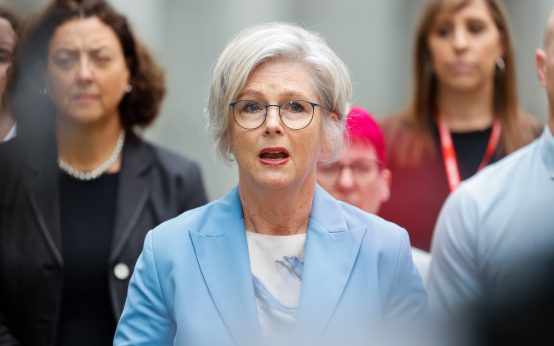 Australian Lawmaker Helen Haines Injured in Car Incident
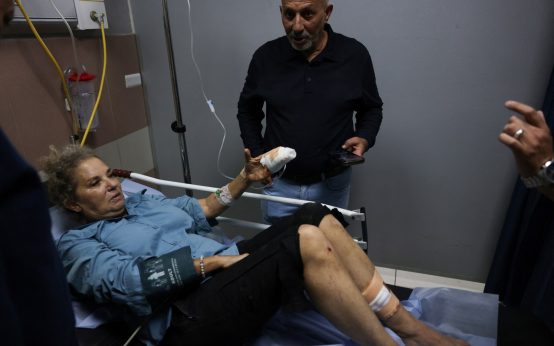 Calls for Action Amid Rising Violence Against Palestinian Christians in West Bank
 France’s Social and Fiscal Challenges Reach a Tipping Point
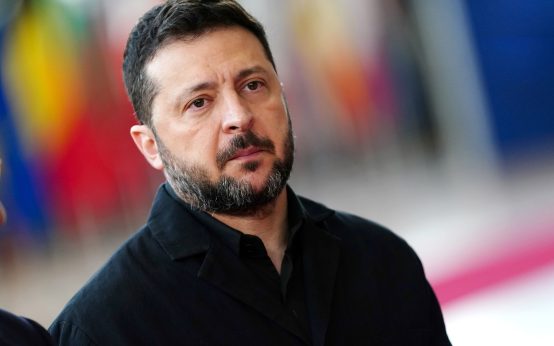 Tensions Rise Between U.S. and Ukraine Over Intelligence Sharing and Energy Policies
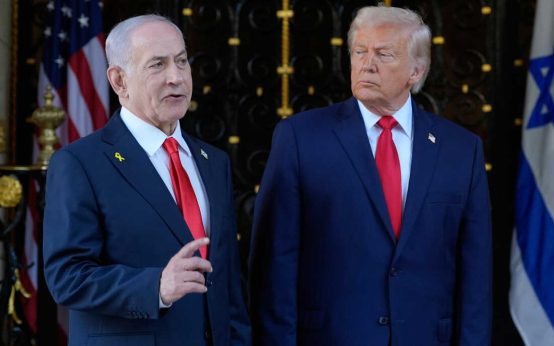 Trump Endorses Netanyahu Amid Israeli Election Campaign
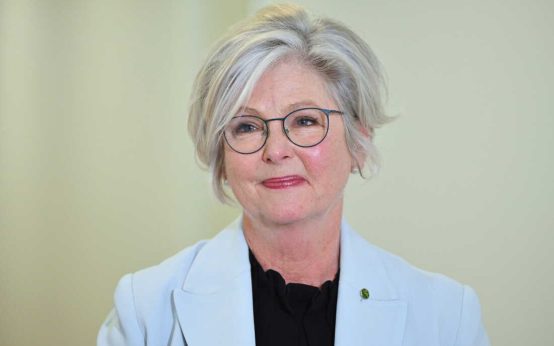 Attack on Australian Lawmaker Sparks Security Concerns