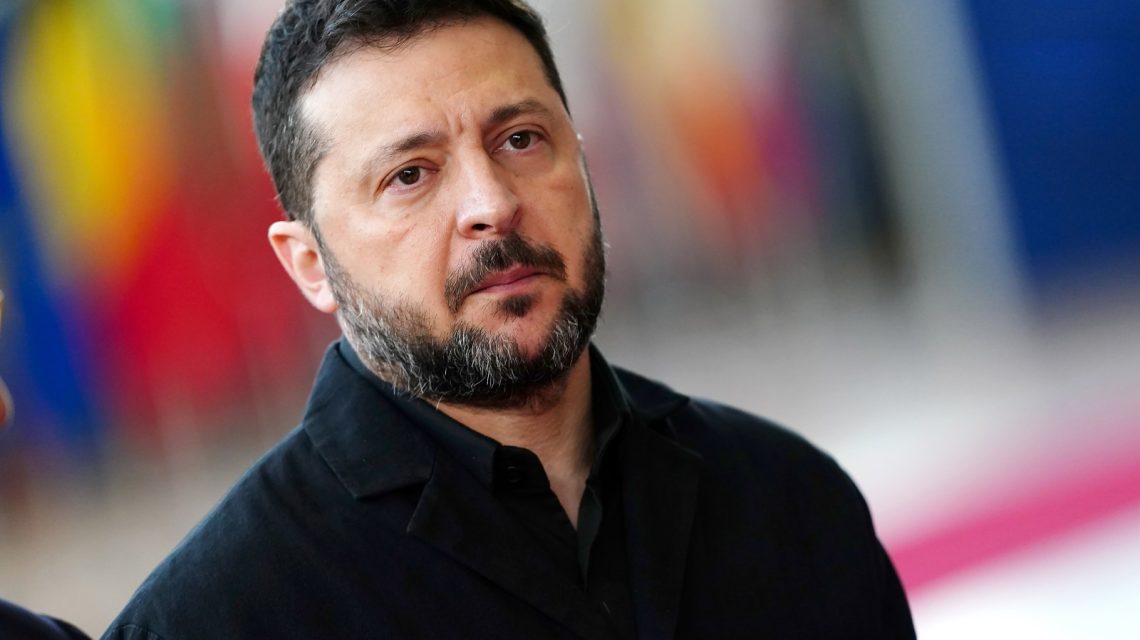
U.S. Secretary of State Marco Rubio has dismissed Ukrainian President Volodymyr Zelensky’s claims about a pause and subsequent resumption in intelligence sharing between the U.S. and Ukraine. Rubio refuted Zelensky’s statements, asserting that no such pause occurred. This exchange illustrates the growing strain in U.S.-Ukraine relations.
Zelensky criticized former President Donald Trump for easing sanctions on Russian diesel exports and for affecting the speed of the Starlink satellite network, crucial for Ukraine’s air defense. Orysia Lutsevych from the Chatham House think tank noted that these issues could indicate deeper complications, especially with Trump publicly attributing blame to Ukraine for extending the war.
“It remains unclear if this rupture is permanent, but Trump’s public placing of blame on Kyiv for prolonging the war, may suggest a more serious problem,” said Lutsevych.
Zelensky, speaking on NBC’s Meet the Press, stated that critical U.S. intelligence crucial for warning Kyiv about impending Russian missile attacks was withheld for three days. Rubio contradicted this claim during his visit to Uzbekistan, arguing that Zelensky should concentrate on ending the war.
Treasury Secretary Scott Bessent advised Zelensky to exercise caution when discussing U.S. intelligence sharing interruptions. Ukraine relies on this intelligence for missile attack warnings, although European partners can provide some information.
The tension also surrounds the Starlink network. Ukraine accused the U.S. of limiting access, impacting its drone operations and defenses. John Hardie from the Foundation for Defense of Democracies criticized this decision as “inexcusable,” especially amid ongoing Russian assaults on Ukraine’s infrastructure. Though satellite connectivity has been partly restored, restrictions on higher speed operations remain.
On energy exports, Trump’s unilateral ceasefire on energy strikes surprised Moscow and Kyiv. Zelensky initially agreed to the truce but resumed strikes after Russian non-compliance. Ukraine targeted Russian oil facilities, prompting Trump to criticize the action for potentially raising global oil prices.
This situation has been met with opposition from U.S. lawmakers, who believe that easing sanctions enables Moscow to bankroll its military efforts, undermining legislation proposed by the late Senator Lindsey Graham. Alexander Kirk from Urgewald condemned Trump’s exemptions that allow continued Russian gas exports, which the EU paid heavily for.
Lutsevych remarked that the confrontation between Zelensky and Trump coincides with Putin’s intensified attacks on Ukrainian cities, increasing civilian casualties. She pointed out the risk of a definitive rupture between Kyiv and Washington, arguing Trump’s apparent inclination towards Moscow complicates U.S.-Ukraine relations.
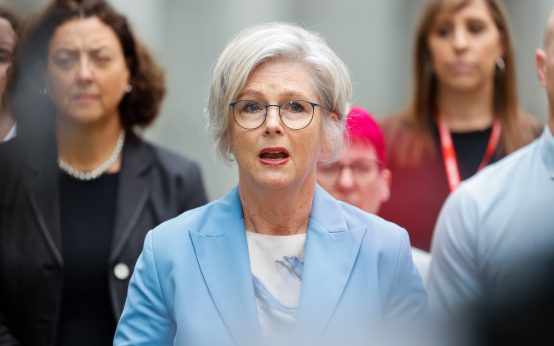 Australian Lawmaker Helen Haines Injured in Car Incident
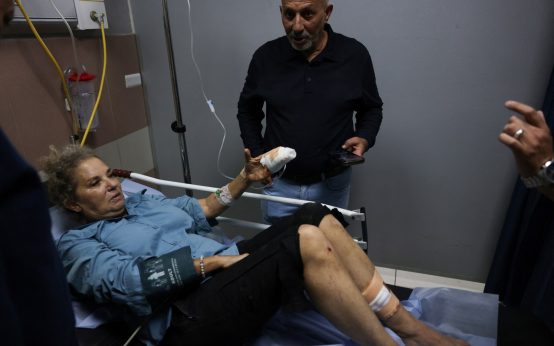 Calls for Action Amid Rising Violence Against Palestinian Christians in West Bank
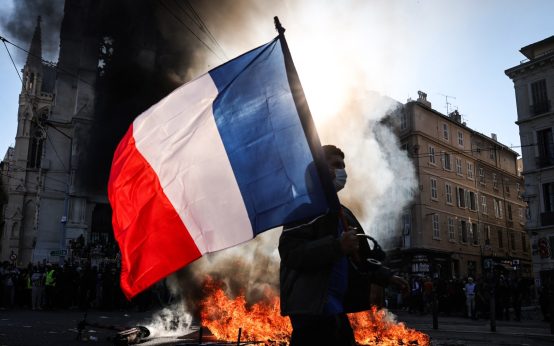 France’s Social and Fiscal Challenges Reach a Tipping Point
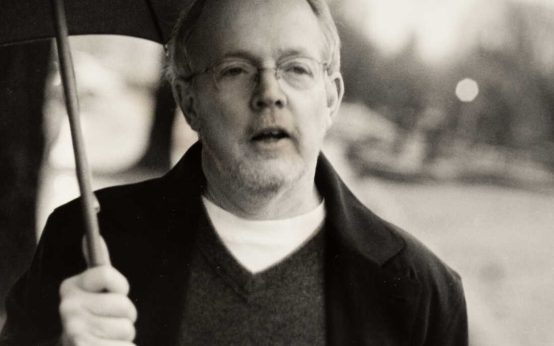 Remembering Noah Adams: A Voice That Defined NPR’s Sound
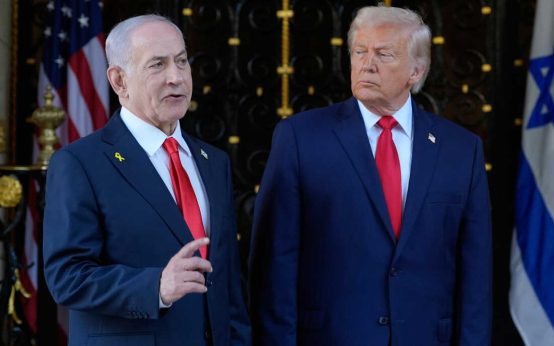 Trump Endorses Netanyahu Amid Israeli Election Campaign
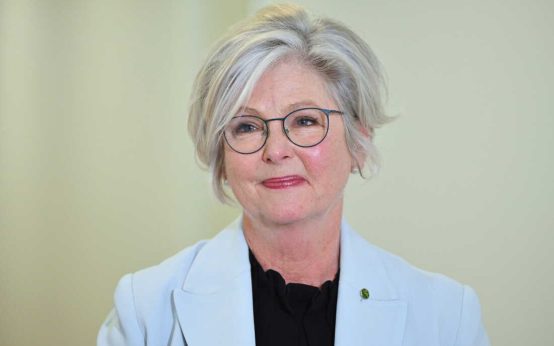 Attack on Australian Lawmaker Sparks Security Concerns