On Saturday, a fire devastated the 19th-century city hall of Limoges, reducing its iconic bell tower to ashes. The blaze, identified by officials as arson, marked a peak in a series of disturbances that have erupted across French towns and cities in recent days.
In Marseille, city hall experienced an attempted intrusion. Meanwhile, rioters overran the prefect’s residence in Bordeaux. In Paris, videos surfaced showing looters raiding shops, often in plain view of their owners. By the start of the week, the authorities had arrested approximately 2,400 individuals and recorded nearly 1,000 injuries among police and gendarmes.
Interior Minister Laurent Nuñez tendered his resignation, which President Emmanuel Macron declined. Acknowledging the severity, Macron admitted, “Yes, we lost control in some major cities.” In response, curfews were enforced in regions including Paris, Lyon, Lille, and Nice.
The Prime Minister characterized the current situation as calm. Despite this, gilets-jaune organizers plan another protest, “Act II,” on Saturday, while unions are preparing for a national strike set for November 5.
Recurring Patterns in French Protest
Labeling these events merely as another French riot would overlook deeper complexities. While typical protests often address issues like school conditions and economic hardships, this wave of unrest features involvement from far-left elements and opportunistic looters. Such upheavals reflect a longstanding French tradition of resistance to reform unless ushered in by crisis or other pivotal events.
A Three-Century Habit
France’s history reveals a repeated pattern of major upheavals facilitating transformative change. Revolutions and their ensuing chaos have driven such changes since the Republic’s violent inception. Financial mismanagement was evident when Louis XVI accumulated massive debts funding America’s independence war. Proposals to reform the tax system were consistently hampered by privileges granted to the nobility and clergy.
The Revolution that followed, famously leading to 1789, marked a destructive yet transformative period. Events like the Reign of Terror and Napoleon’s disastrous Russian campaign illustrate the costs of these changes. Post-revolutionary France saw a tumultuous cycle of monarchies, empires, and republics.
Modern fiscal management struggles seem to echo historical challenges. The French state’s substantial expenditures exceed the euro area’s averages, with public debt reaching 119% of GDP by June. Stagnation is notable in reforms, with labor market bureaucracy stifling economic potential. President Macron’s pause on raising the retirement age captures this hesitancy to execute necessary reforms.
Facing a potential rise to power, figures like Marine Le Pen, favored for the upcoming presidential election, propose economically risky plans. Le Pen’s commitment to lowering the retirement age is one example.
Challenges of Integration
Across the Atlantic, President Trump attributes the chaos to issues of immigration and integration. Although national leaders refute direct connections between immigrants and these recent events, the integration question remains central.
In France’s suburban areas, known as banlieues, young men often face socioeconomic barriers. Many of these residents are descendants of immigrants from former colonies, confronted by poverty, unemployment, and segregation.
Despite examples of successful integration, widespread inequality persists, often exacerbating social tensions during economic difficulties like those caused by recent global energy disruptions.
The Role of Education
The present wave of protests initially ignited in September due to student action in Créteil over school staff shortages. The situation highlights a broader issue: insufficient resources in schools crucial for integrating the country’s immigrant children.
Reductions in teaching positions compound challenges, even as the education minister later promised additional hires. The contrast between symbolic gestures and substantial reform remains evident.
Prospects for the Future
While France’s disruptive episodes often lead to renewal, the question remains whether the nation can seek necessary reforms proactively. While Macron engages in efforts abroad, domestic challenges loom large.
The political landscape hints at a shift towards extremes, with both the far-right and far-left gaining traction. As the current presidency struggles, questions of fiscal prudence, immigration, and integration weigh on the nation’s future.
 Federal Judge Warns Trump of Sanctions Over BBC Lawsuit
 NATO’s Response to Drone Threats Over the Black Sea and Beyond
 Australian Lawmaker Helen Haines Injured in Car Incident
 Calls for Action Amid Rising Violence Against Palestinian Christians in West Bank
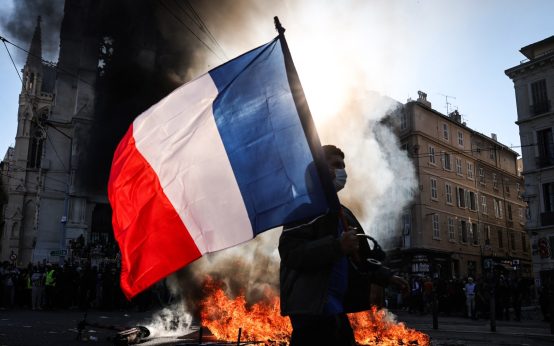 France’s Social and Fiscal Challenges Reach a Tipping Point
 Tensions Rise Between U.S. and Ukraine Over Intelligence Sharing and Energy Policies