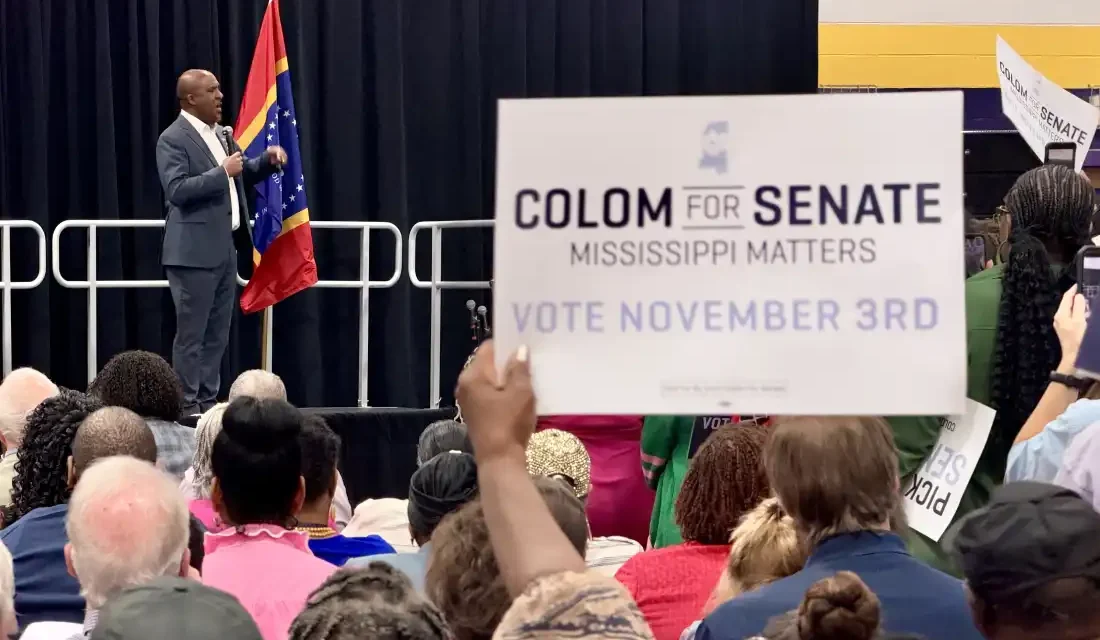
Columbus, Miss. — Mississippi’s U.S. Senate race appears poised for potential change this year. President Trump’s recent rally backed this notion. The state has nearly 40% Black voters, the highest in the country. It’s rural and centers on agriculture, and many residents feel the sting of high costs acutely.
In 2024, Trump won Mississippi by 23 points. The racial divide remains significant, with insufficient white voter support for Democrats. This scenario complicates Democratic success in statewide races. Despite large investments in Senate races in traditionally conservative states like Iowa and Texas, efforts in Mississippi lag.
Scott Colom, the Democratic Senate nominee, views the lack of investments as flawed strategy. Colom, who is challenging Republican Cindy Hyde-Smith, shared his insights with NPR. He said, “The Democratic Party hasn’t been trying to win Mississippi.”
Mississippi has never been a lost cause, it’s been a betrayed cause.
Understanding the Dynamics
As the election approaches, both parties allocate more funds to Mississippi. National polls indicate possible Democratic enthusiasm and higher Black turnout. Colom aims to capitalize on this alongside fewer GOP voters and potential party defections.
At a rally with Kamala Harris in Columbus, attendees voiced optimism but were critical of current leadership across parties, citing global tensions and economic concerns. Celestine Rice reflected on public discontent and a need for political change.
Shifts in Support and Party Strategy
The Democratic push in Mississippi aligns with arguments about the party’s future in the South. Prominent Democrats like Harris and Pete Buttigieg are vocal about these shifts. Harris criticized recent political maneuvers as corrupt and stressed urgency with the election looming.
Republican Strategy in Mississippi
Trump joined Hyde-Smith in Corinth to rally Republicans. Her campaign manager expressed confidence in her reelection. Emphasizing collaboration with Trump, they focused on warning against Democratic policies.
Hyde-Smith described the election as a choice between contrasting ideologies. She emphasized Republican turnout as crucial to success. Trump’s visit aimed to prevent complacency, addressing past election outcomes.
Campaign strategy highlights Colom as extreme, linking him with Biden and critiquing his record as a district attorney. Despite these efforts, Democratic spending in Mississippi exceeds Republican, aiming to connect Hyde-Smith to Trump policies.
Implications for Black Voters and Broader Impact
The Mississippi race has broader implications, relating to Black political power in the South. Several Southern states, led by Republicans, have moved to redraw district maps, affecting Black voter influence.
Colom emphasized democratic principles, stating, “Voters pick leaders, not the other way around.” Despite historical patterns and challenges, changes in voter engagement suggest possible shifts.
The race reflects broader national trends of anti-incumbent sentiment. Increased Black voter turnout, especially in states with early voting, adds layers of uncertainty. As the election draws near, anticipation builds around these dynamics.
 Mayor Mamdani’s Policing Reform Plans
 Gen Z Voter Shifts and Their Impact on the 2026 Midterm Elections
 Disappearance of US Senate Candidate Raises Questions
 DOJ Rule Change Reduces Appeal Time for Immigrants Facing Deportation
 Hakeem Jeffries’ Bid for House Speaker Faces Progressive Hurdles
 Ohio Judge Dismisses Defamation Lawsuit by Rep. Max Miller