The U.S. Environmental Protection Agency (EPA) tested soil from about 1% of homes affected by the Eaton Fire. Their findings suggest that most properties, cleared by the U.S. Army Corps of Engineers, are free from hazardous levels of lead. However, skepticism remains among some experts.
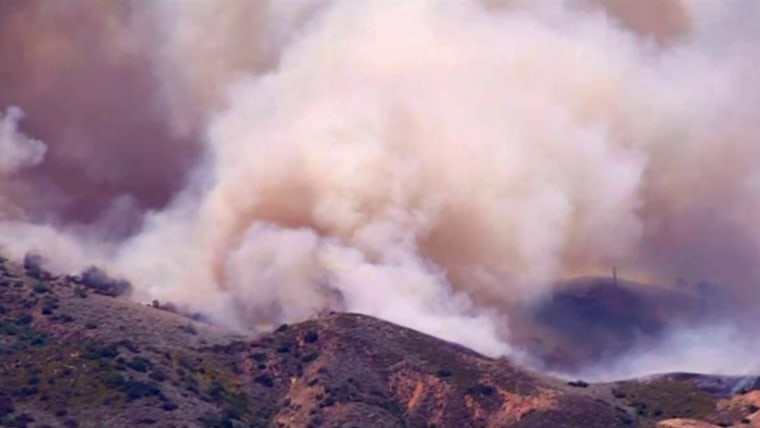
The Eaton Fire, which occurred in January 2025, damaged 9,400 homes in the Altadena area. The fire released smoke laced with lead, arsenic, and asbestos, impacting nearby areas. Lead, known for causing developmental problems in children, was a primary concern. The EPA tested 100 randomly selected homes from the debris cleanup zone. Their report indicated that only five lots exceeded EPA screening standards for lead, while 17 surpassed California’s stricter standards. Overall, the median lead concentration across properties was within safe levels, according to an EPA news release.
Michael Montgomery, director of the EPA Region 9 Superfund and Emergency Management Division, stated, “That should really give residents confidence that the work the Army Corps did addressed the fire-related contaminants, particularly lead.” The cleanup involved removing ash, debris, and the underlying soil. Montgomery asserts that the results are reflective of the burn zone.
The EPA claims 95% confidence that addressed properties in Altadena and Pasadena are below both state and federal screening levels.
Concerns persist in Altadena, where houses often predate the phase-out of lead in building materials. The Army Corps cleared debris from approximately two-thirds of affected homes but did not conduct soil testing, fueling uncertainty among residents. Soil testing wasn’t mandatory, prompting various groups to undertake independent assessments. These tests yielded mixed results, fueling further concern.
Andrew Whelton, a professor at Purdue University, criticized the EPA’s method, arguing it assesses average risk without identifying hazardous areas. “The results are not representative of the Eaton Fire area,” he noted, suggesting the methodology fails to address potential contamination hot spots.
The debris removal process by the Army Corps, which included scraping up to six inches of soil, faced scrutiny. Two whistleblowers revealed inconsistencies in the cleanup, with one stating it left more debris compared to prior wildfires. Such concerns led the Federal Emergency Management Agency to request EPA testing to address public worries.
The EPA’s study aimed to provide a comprehensive understanding of contamination across the Eaton Fire zone. Properties were chosen randomly, with resident permission required for access. Soil was collected at two depths from 30 locations within the “ash footprint.” The EPA pooled samples from these locations to form composite samples for each property.
The median lead concentration in surface soil was 31 mg/kg, below both California (80 mg/kg) and EPA (200 mg/kg) concern levels. Below the surface, the median concentration registered at 43 mg/kg. Five samples exceeded federal standards, with one reaching 705 mg/kg.
Whelton argues pooling samples can mask specific contamination spots. He warns that areas untouched by the Army Corps may have untested contamination. The property with a 705 mg/kg lead concentration, considered hazardous waste, raises alarms. Whelton believes parts of this property likely have higher lead levels.
 Wildfires Impact Washington and Oregon’s National Parks
  Understanding the Cyclospora Outbreak and Its Connection to Sewage Contamination
  Hurricane Lala Intensifies and Heads Toward Hawaii’s Big Island
  Rare Bison Skull Discovery in Alberta Raises Questions About Its History
  Public Health Challenges with Proposed Vaccination Order
  Atlantic Disturbance May Become Third Named Storm of 2026