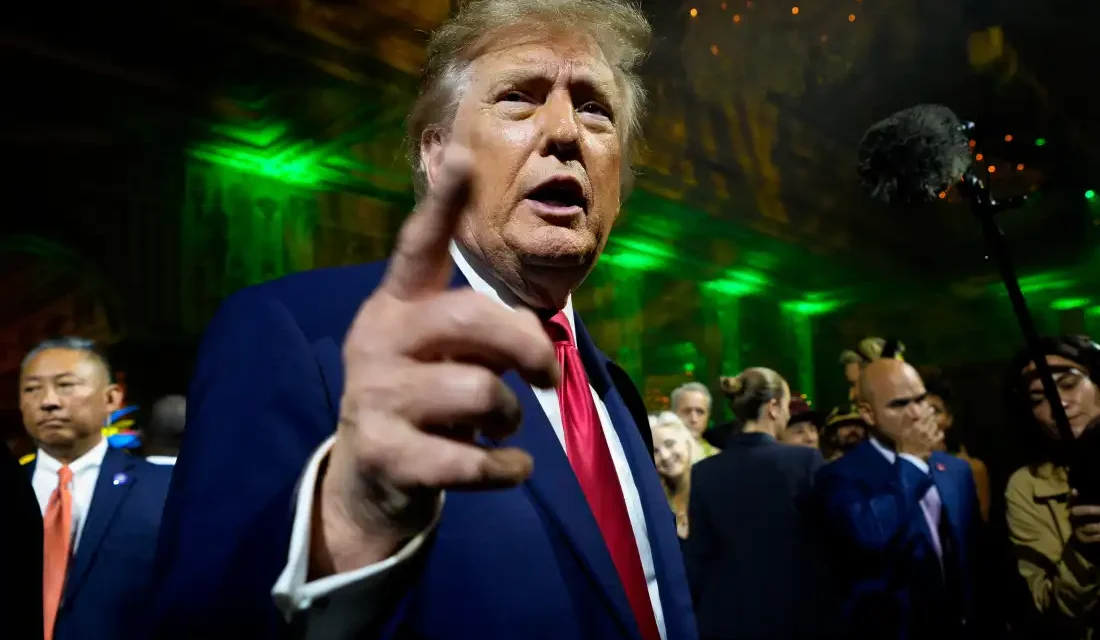
On October 31, 2026, President Donald Trump addressed the media during a Halloween event at Mar-a-Lago, Palm Beach, Florida. Since his re-election in 2024, Trump’s administration aimed to reduce costs, yet prices have steadily increased. This has contributed to Trump’s historically low approval ratings and a strong opposition.
Presidents often receive excessive blame or praise regarding economic conditions. In Trump’s case, the war with Iran and imposed tariffs have directly resulted in elevated costs for goods and energy. The economy is increasingly split between prosperous wealthy individuals with rising AI stock portfolios, and struggling average citizens affected by inflation outpacing wages, a stagnant labor market, and rising interest rates.
Buying homes or cars has become more difficult, leaving many feeling stuck financially. According to the latest NPR/PBS News/Marist poll, 44% of respondents reported unchanged personal finances, 38% witnessed a decline, and only 15% experienced financial improvement.
Additional dissatisfaction comes from the administration’s strict immigration policies, reductions in domestic spending and healthcare, and cuts in government workforce and regulations. These factors have fueled anger among swing voters and energized Democrats. Historically, midterms are challenging for a president’s party; since World War II, gaining House seats has occurred only twice. On average, the president’s party loses 26 seats during midterms, and if the approval is below 50%, the average loss is 35 seats.
Despite this, Democrats are experiencing success during this Trump term, overperforming in special elections and winning the 2025 off-year elections. The unpopular Iran war and subsequent gas price increases have worsened Republican prospects, boosting Democratic chances of winning the House and putting them within reach of controlling the Senate.
Structural factors limit Democratic gains, such as fewer competitive districts compared to 2018, when Democrats gained over 40 seats. Additionally, mid-decade redistricting provides slight Republican insulation. An NPR analysis estimates Republicans gained eight seats through redistricting. Latino votes in South Texas could potentially reduce these gains.
Though Republicans face challenges, the Democratic Party also struggles with voter dissatisfaction. Self-identified “democratic socialists” are highly engaged in the midterms and strongly disapprove of Trump’s performance. The “enemy of my enemy is my friend” notion suggests this group may vote heavily against Trump. The NPR poll indicates 44% are voting against Trump, while 21% support him.
A potential clash among Democrats looms with upcoming presidential primaries. The 2028 election cycle begins shortly after midterms, marking the first post-Trump, post-Obama-Biden, post-Clinton and Bush elections. Candidates seeking prominence announce early, often by January or February.
Election outcomes remain uncertain. The Republican turnout plays a critical role; Trump urges voter mobilization in red states. Without substantial GOP participation, Democrats could gain more Senate seats. Surprises are likely, as nothing is guaranteed until results are finalized.
While most races conclude by election night, some results may be delayed, especially in key areas. Close races may leave party control undecided for days or weeks. Trump has already cast doubt on election authenticity, following a pattern seen in past elections.
An NPR poll shows strong public belief in fair and accurate state elections, with most encouraging candidates to accept results. However, 25% of Republicans suggest non-acceptance, allowing room for chaos if races remain close.
Overall, Trump appears detrimental to the GOP this cycle. Ads featuring him during primaries have dwindled in popularity, reflecting a dual nature — boosting core support while alienating swing voters. This year, economic strain and ongoing conflict have led to declining support among previous cross-over voters. Despite potential Republican claims of misconduct, consensus indicates limited credibility. Compromise will be essential to achieving significant legislative progress.
 Mayor Mamdani’s Policing Reform Plans
 Gen Z Voter Shifts and Their Impact on the 2026 Midterm Elections
 Disappearance of US Senate Candidate Raises Questions
 DOJ Rule Change Reduces Appeal Time for Immigrants Facing Deportation
 Hakeem Jeffries’ Bid for House Speaker Faces Progressive Hurdles
 Ohio Judge Dismisses Defamation Lawsuit by Rep. Max Miller