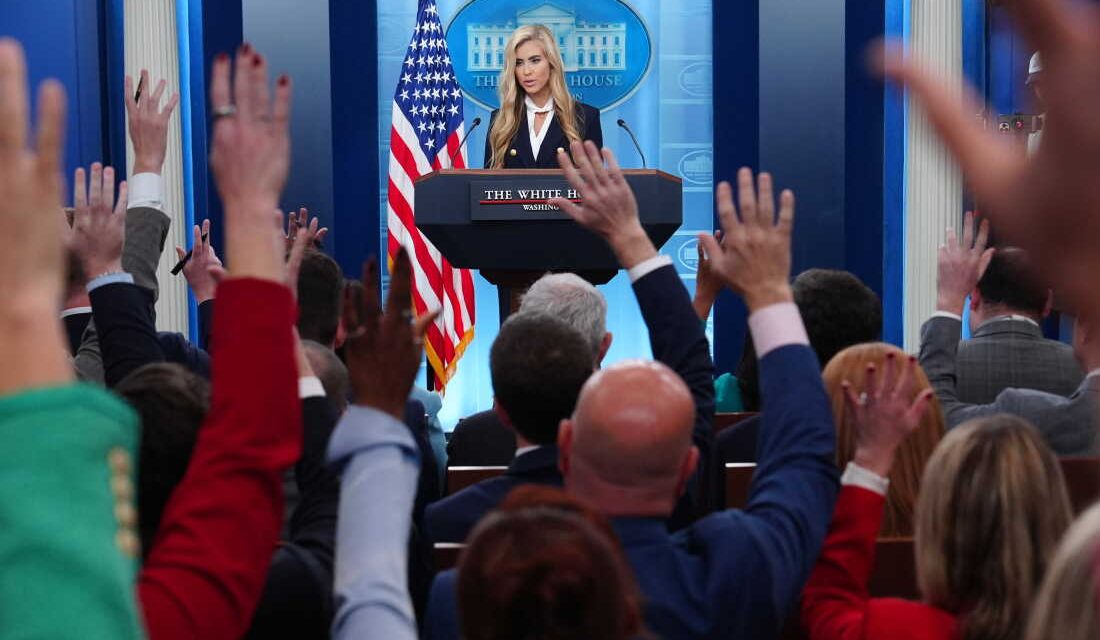
The White House press secretary holds a critical position within any administration. Known for its public visibility, the role lacks a formal job description, required qualifications, and congressional vetting. As recent events show, one can be dismissed from the role as swiftly as being appointed.
For close to a century, a designated individual has communicated on behalf of the U.S. president. Former Pentagon Press Secretary John Kirby, who served under Presidents Obama and Biden, emphasized that the press secretary also addresses the public. According to Kirby, “You are expected to be the president’s voice and occasionally the president’s face on issues daily. This requires access to the president and an understanding of his thoughts on policy issues,” Kirby explained to NPR’s Ayesha Roscoe on Weekend Edition Sunday. He continued, stating the press secretary must be “honest” and communicate effectively with the American public while handling challenging questions from the press.
Recent challenges were evident with Katie Zacharia, who was dismissed just days into her tenure. During her initial briefing, Zacharia appeared nervous, limited her responses, and relied heavily on prepared talking points. Complications arose when Zacharia described herself as a lawyer, although she had failed the California bar exam and was not licensed. Within five days of her start, her role ended.
While not essential for press secretaries to be attorneys, they must engage confidently with reporters. Sean Spicer, a press secretary during Trump’s first administration, engaged in heated exchanges with the press. Known for challenging the media, his statement, “Sometimes we can disagree with the facts,” became noteworthy during the Trump inauguration crowd discussion. Spicer’s confrontational style was famously parodied on NBC’s Saturday Night Live by Melissa McCarthy.
While not mandated by Congress, the role follows nearly a century of tradition. The White House Historical Association notes that by the late 1800s, reporters routinely covered the White House. In 1929, President Herbert Hoover appointed George Akerson as the first official White House press secretary. Since then, 37 individuals have served in this capacity. Dee Dee Myers became the first female press secretary in 1993, and Karine Jean-Pierre made history in 2022 as the first Black and first openly gay press secretary.
Notably, in 1981, while accompanying President Ronald Reagan, press secretary James Brady was shot during an assassination attempt on the president. The press briefing room is named after Brady, honoring his service.
Ari Fleischer, a press secretary under George W. Bush, described press briefings as “intellectual chess.” According to Fleischer, discerning what information to withhold is the most challenging aspect of the job.
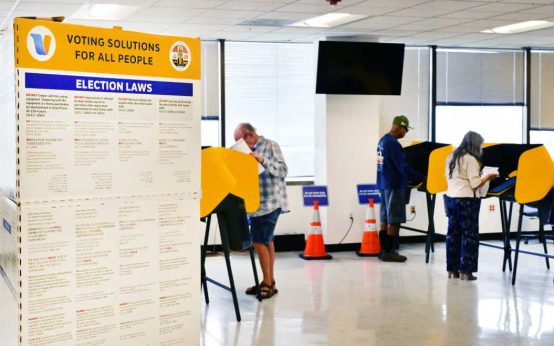 Justice Department Charges Noncitizens in California Election Dispute
 Democratic Candidates Aim to Reclaim Political Ground in Montana
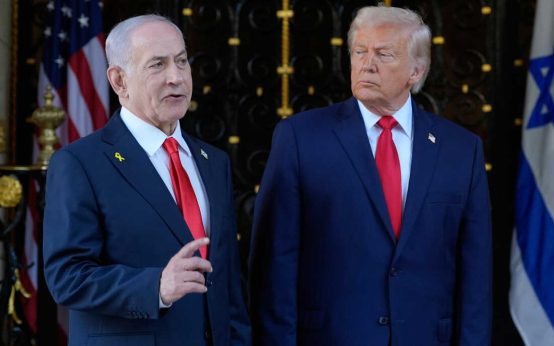 Trump Endorses Netanyahu Amid Israeli Election Campaign
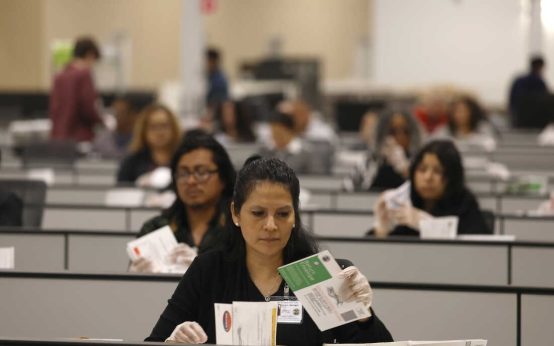 Challenges of Vote Counting and Delayed Election Results
 Alberta Votes to Remain Part of Canada, Supporting National Unity
 Controversy Surrounds East Potomac Golf Links Renovation