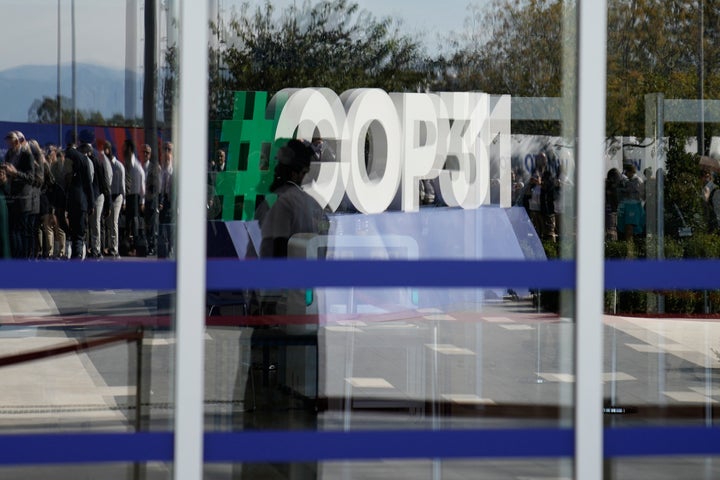
In Antalya, Turkey, leaders, delegates, and climate activists have gathered to tackle pressing climate change issues. Rising temperatures and extreme weather conditions like Europe’s heatwaves and Nepal’s floods have underscored the urgent need for these discussions.
This summit, known as the Conference of the Parties or COP31, occurs alongside economic strains caused by the conflict in Iran, which has disrupted global oil supplies. This situation has prompted a reevaluation of energy policies and an increased shift toward renewables such as wind and solar power. U.N. climate chief Simon Stiell emphasized, “COP31 must supercharge solutions,” at the opening session. Approximately 68,500 attendees will participate, and around 25,000 are tasked with ensuring the event’s success.
Stiell highlighted practical solutions, like reducing methane emissions, as critical for curbing global temperature rise. Methane quickly warms the planet yet does leave the atmosphere faster than other greenhouse gases. Opting for electricity generated from renewable sources over fossil fuels can further mitigate global warming.
Delegates in Antalya aim to fulfill prior climate commitments and set new ambitions. Given the high stakes, climate scientists warn of exceeding the 1.5-degree Celsius threshold set in the 2015 Paris Agreement. This goal is now considered unachievable, reflecting challenges in reducing greenhouse gas emissions.
Turkey’s Environment Minister Murat Kurum expressed determination, noting, “We will not look away, and we will not lower our ambition.” Kurum, the current COP31 president, prefers action over setting new targets. His “Action Agenda” focuses on cutting methane emissions and fostering climate-resilient cities while boosting renewable electricity usage to 35% by 2035.
Between November 9 and 20, discussions will extend to financial support for poorer countries to manage climate impacts and transition away from fossil fuels. Even as leaders speak of ambition, underlying financial disputes persist regarding climate adaptation and recovery funding.
“Countries that did the least to cause this crisis shouldn’t have to borrow their way through it,” stated Meena Raman from the climate advocacy group Third World Network.
Developing nations demand concrete funding plans from developed countries to combat climate change. Proposals from Africa, supported broadly, face opposition from the EU and Canada.
Previous summits like COP30 in Brazil and COP29 in Azerbaijan faced criticism for lack of agreement on emission reductions. Agreements reached at Dubai’s COP28 to transition from fossil fuels are still contentious.
The United States, the second-largest global polluter, is again missing from the summit, as President Donald Trump withdrew the country from negotiations during both his terms.
Simon Stiell remains optimistic, saying, “No single COP is a silver bullet that can stop climate change overnight. But every recent COP has made essential progress. COP31 in Antalya will, too.” Uniquely, this summit is a joint effort between Turkey and Australia due to prior hosting disputes.
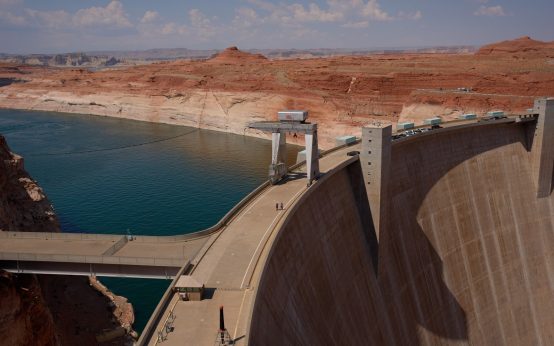 Record Low Hydropower Output in the Southwest
 Data Centers Face Challenges in Vernon, Los Angeles
 Rams Captured Relaxing in Residential Area
 Global Climate Finance and the Developing World: A Turning Point
 Hidden Plastics in Everyday Items
 The Final Journey of the SS United States