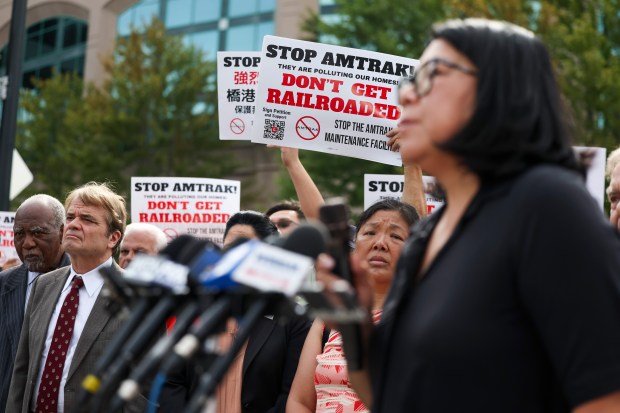
The Federal Railroad Administration (FRA) recently issued an environmental assessment for Amtrak’s plan to develop a large train maintenance facility in Bridgeport. This announcement surprised many South Siders. The assessment came 11 days after the agency agreed to a full analysis of the plan, under pressure, as noted by Alderman Nicole Lee and Cook County Commissioner John Daley.
Local opposition has been strong. Residents are concerned about diesel fumes and noise pollution from the proposed $915 million facility near Rate Field. Amtrak prepared the assessment for the FRA. The document claims the project’s environmental impact would be ‘insignificant’. However, Lee criticized the assessment as rushed and called for an independent review.
Amtrak deferred questions to the FRA, which did not respond immediately. The FRA announced a 30-day public comment period ending December 7. Two public meetings are planned for early December. Lee expressed concerns about the short timeframe, stating, ‘There’s a lot to review.’
At a recent City Council meeting, aldermen questioned Amtrak officials. Lee seeks another council session to address the new documents but fears scheduling issues. Amtrak and Canal Edge welcomed the FRA’s environmental review decision. They committed to participating in the upcoming public meetings.
Amtrak’s preliminary assessment earlier this year led to a ‘categorical exclusion’, an exemption from further review. The company recently secured nearly $700 million in federal funding to acquire the site from Union Pacific and develop the new facility.
Community meetings saw strong opposition to the Midwest Maintenance Facility Project. Initially, U.S. Senators Tammy Duckworth and Dick Durbin supported the project. However, after community pushback, they called for more transparency regarding environmental risks. Unions still back the project, citing job creation and improved safety.
The original exclusion involved the proposed yard along Canal Street. Amtrak intends to make structural repairs to supporting viaducts, prompting the need for another assessment. The plan includes a multistory train shed and other facilities. Amtrak says this is part of a nationwide effort to modernize and reduce delays, supported by the 2021 Infrastructure Investment and Jobs Act.
The current Amtrak yard at 14th Street is inadequate for whole train servicing, leading to potential delays. Although Amtrak considered building there, it prefers the larger Canal Street site. Maintenance work would mostly occur indoors to limit neighborhood impact. Blocking the project could revert the site to heavy freight use, possibly causing more pollution.
While the assessment claims long-term community benefits from viaduct repairs, local activists remain skeptical. ‘They skimmed over community concerns,’ said Hannah Dembosky of Bridgeport Environmentalists. The assessment fails to address potential operational expansions and their impacts.
Dembosky highlighted risks to nearly 7,000 nearby residents, including exposure to particulate matter and diesel spills. Amtrak aims to double passenger numbers to 66 million annually by 2040.
Kevin Brubaker of the Environmental Law & Policy Center noted the rapid publication of the assessment. ‘It’s a step forward for future discussions,’ he said, but stressed ongoing concerns about transparency. Lee supports rail modernization but worries about neighborhood impacts, including potential property value declines.
‘Residents deserve transparent answers,’ said Lee. She emphasized holding authorities accountable, questioning federal treatment of communities. ‘This should raise alarm bells,’ she concluded.
 Efforts to Counter Food Assistance Cutbacks in San Diego
 Low-Cost Medication May Benefit Stroke Survivors
 The Complex Debate Over Kratom Use in the U.S.
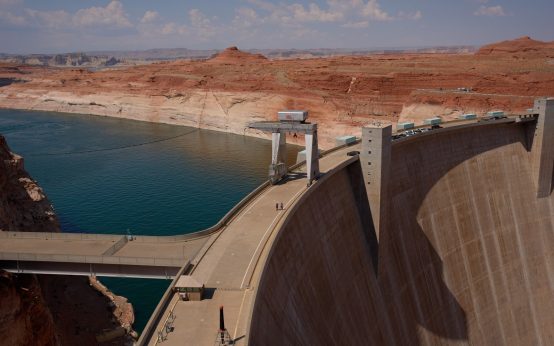 Record Low Hydropower Output in the Southwest
 Health Risks of Plastic Chemicals on Pregnant Women
 Navigating Health Insurance: A 22-Year-Old’s Journey to Coverage