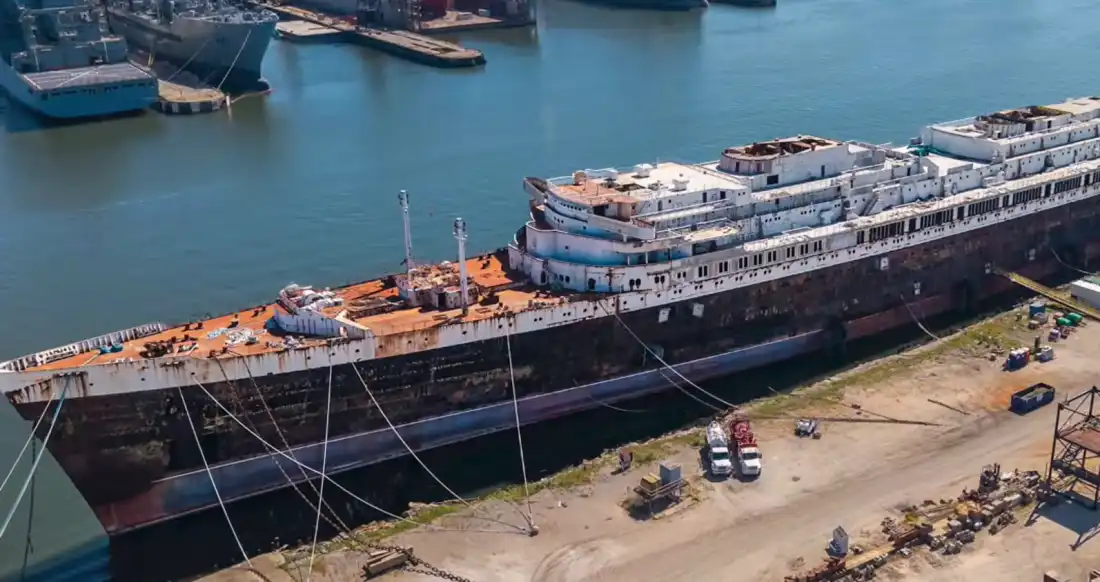
The SS United States sunk off the coast of Okaloosa County, Florida. This former fastest passenger liner, launched in 1951, completed an Atlantic crossing in under four days. Longer than the RMS Titanic, it had transported four U.S. presidents, the Mona Lisa, and many 20th-century stars.
After spending decades unused, the ship faced dismantling. Instead, its caretakers chose to transform it into an artificial reef. This move is anticipated to make it the world’s largest artificial reef. Crews allowed water to fill the ship by removing plugs from the hull, no explosives were used. Though delayed, the vessel eventually tilted and sank in about five hours.
This sinking marks an era’s end when ocean liners ruled the seas elegantly. Yet it reflects coastal communities’ ongoing strategies to attract tourists, offering economic advantages. As Karen Flynn, a wreck diver, noted, leaving it to decay dockside was more tragic. Her group quickly planned a diving trip to experience the ship’s new underwater role.
A Potential Boost for Tourism
Travelers like Flynn are ideal visitors, generating income from equipment, lodging, and dining. Okaloosa County has established many artificial reefs, but the SS United States is the largest. Okaloosa expects more revenue now, with reefs already contributing $10-12 million annually to the economy. Their investment in the ship is expected to pay off within a few years.
Key to the ship’s transformation was making it attractive for tourists, marine life, and regulation compliance. Its hull was cleared of toxic elements and it’s situated just over 20 nautical miles from Destin’s beaches. Flynn noted the ship rests where recreational divers can explore it comfortably.
Other large vessels like the USS Oriskany in the area also enhance tourist appeal. Florida has created over 4,000 artificial reefs since 1940. NOAA’s 2017 data indicated substantial economic benefits from visits to these sites. Economist Andrew Ropicki observed that with many planned shipwrecks, regions like Okaloosa can capitalize more effectively on tourism dollars, though warned of possible diminishing returns.
Beyond the SS United States, the county has plans for five or six additional artificial reefs. For now, they hope the unique ship attracts visitors below the Gulf of Mexico’s surface.
Reflections on the Sinking
Susan Gibbs, from the SS United States Conservancy, has mixed feelings about the sinking. Her grandfather, William Francis Gibbs, devoted immense effort into the creation of the ocean liner. After World War II, during the pre-passenger jet era, the ship was an American transportation icon. Her grandfather admitted his passion for the ship surpassed his affection for her grandmother.
Now, seeing the ship made into a reef feels “complicated.” Her organization sold it to the county for $1 million, a small fraction of its original value. Although, she believes becoming a reef is more dignified than scrapping it. Karen Flynn agrees, noting the ship’s underwater presence retains its grandeur. Capturing images of the bow against the blue sea will surely be a “spectacular shot.”
 Norwegian Cruise Line Adjusts Itineraries Based on Guest Feedback
 Navigating Refunds After FAA Ground Stops
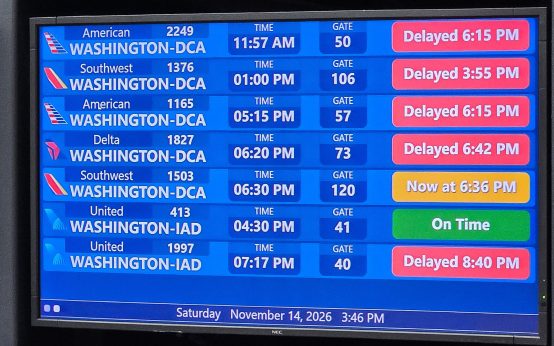 US Air Travel Disruptions Persist; Plans for Upgrades Underway
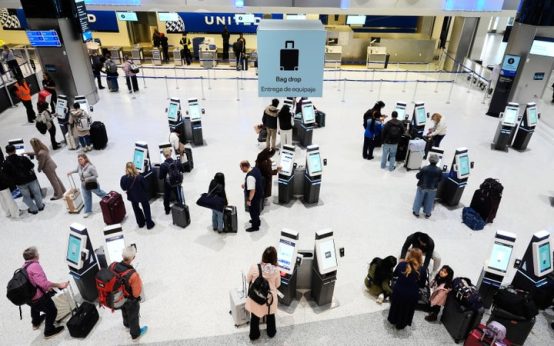 Thanksgiving Travel Trends and Challenges
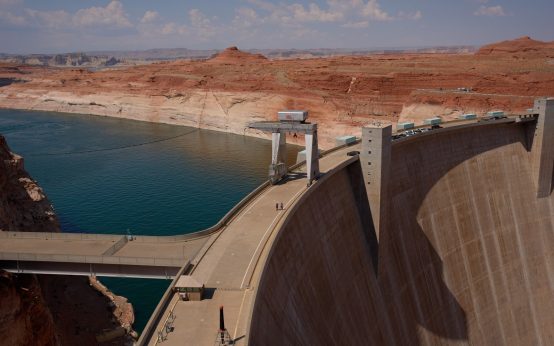 Record Low Hydropower Output in the Southwest
 3 Pre-Holiday Organizing Projects