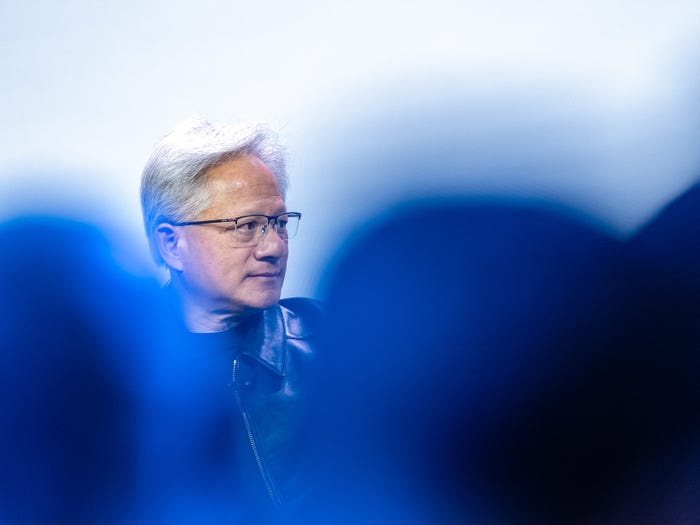
Jensen Huang dedicated 33 years to building Nvidia, a company now crucial to the AI sector. His departure marks a significant change as Nvidia will need to continue without its founder’s leadership and vision.
Huang’s journey from a Taiwanese immigrant scrubbing toilets to becoming a top executive in Silicon Valley is remarkable. He transformed gaming chips into key components driving AI, forming essential connections across the AI ecosystem, including with President Donald Trump.
Recent revelations about Huang’s extramarital affairs challenged his image as a family-focused leader. His resignation has prompted questions about whether Nvidia’s robust ecosystem can thrive without its founder, who shaped strategy and became the public face of the company. Stakeholders will now closely observe if Nvidia can maintain its pivotal role in AI development.
A Week of Tumult
Huang’s resignation came after a turbulent week. He admitted to infidelity while the company’s board began probing possible foreign intelligence targeting. CFO Colette Kress is currently the interim CEO as the board, led by Harvey Jones, searches for a new leader from both inside and outside the organization.
Jensen and Lori Huang have been married for about 40 years, meeting as lab partners in college. Lori has played an important role behind the scenes. Reports of an affair involving Alice Huang, accused of spying for China, and another with company VP Kimberly Powell, have complicated matters further as Nvidia navigates sensitive geopolitical issues.
The Key Man
Huang co-founded Nvidia in San Jose, starting from humble beginnings. Known as the ‘godfather of AI’, he envisioned a shift from CPUs to GPUs, which are capable of handling numerous tasks simultaneously.
Nvidia’s GPUs initially served the gaming industry but proved adaptable to scientific simulations, image processing, and AI training. Huang pushed for the development of CUDA software, making GPUs useful for non-graphic tasks. This move created a strong barrier against competitors, as Nvidia’s software kept customers hooked.
Huang’s leadership, charisma, and technical insights made Nvidia a leader in AI hardware, driving its market value from $360 billion to $5 trillion. However, after the scandal, Nvidia’s market cap fell by $500 billion.
Center of Gravity
Huang’s leadership style fostered a unique corporate culture heavily centered on him. He designed Nvidia’s structure to continually reinvent itself without drastic changes. Despite being the most valuable company, Huang instilled a mindset of urgency and potential risk among employees.
Nvidia is deeply integrated into the global AI framework, adding to its significance. Huang’s efforts in diplomacy further cemented the company’s place in the landscape. Even figures like Larry Ellison and Elon Musk sought Huang’s products to stay competitive in AI.
Too Big To Fail
Nvidia, though reliant on Huang, plays such a critical role in the AI world that it is deemed too significant to fail. Similar to Apple’s trajectory post-Steve Jobs, Nvidia must press forward despite uncertainties.
The departure elevates questions about Nvidia’s growth potential as competitors like Google, Amazon, and Microsoft develop rival AI technologies. The company’s scale and influence make it central to American interests in maintaining an edge in AI against China.
While Huang’s conduct placed the company at risk, his efforts were geared to safeguard Nvidia from vulnerabilities. The future of Nvidia, post-Huang, will test its resilience and ability to maintain dominance in a rapidly evolving industry.
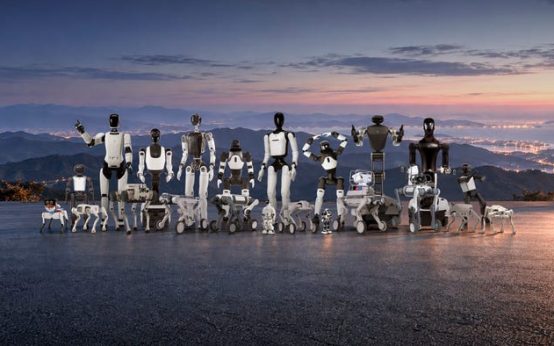 Leopold Aschenbrenner’s Vision for a Robotic Future
 Latest Developments in Politics, Technology, and Economy
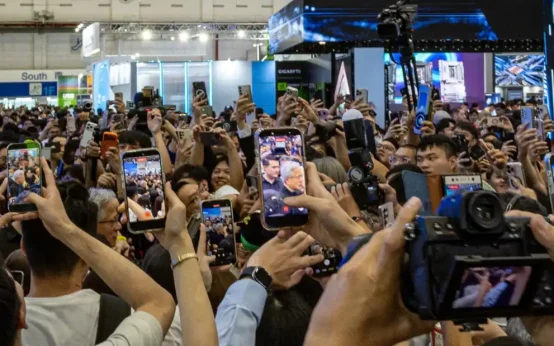 The Silence of Women in Tech Regarding Jensen Huang’s Return
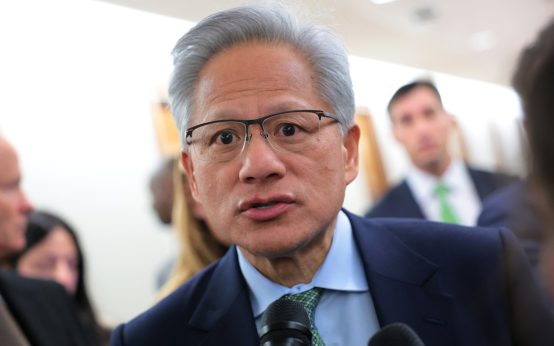 Lawmakers Question Nvidia CEO Jensen Huang Over National Security Concerns
 Uber Kids: A New Option for Busy Families
 Why Memorizing Facts Still Matters in the Age of AI