
Academic data on its own does not capture a student’s identity, thought process, or willingness to tackle challenges. By the time students reach my algebra class, they are often burdened with preconceived labels. These labels like ‘remedial,’ ‘unmotivated,’ or ‘low-performing’ are assigned before they even begin their lessons.
These identifiers do not always reflect a student’s true potential or capabilities. The school environment tends to focus excessively on measurable outcomes. This approach can overlook individual student needs and unique learning styles.
Understanding a student requires more than grades and test scores. Teachers need to assess the whole person. Each student brings different experiences, strengths, and weaknesses to the classroom. Recognizing this complexity helps in creating a more inclusive and effective learning environment.
Engagement in the classroom is not solely about academics. Building rapport and understanding with students can also drive their motivation and sense of belonging. When students feel valued, they are more likely to participate actively and invest in their education.
Teachers have the responsibility to look beyond data. They should focus on individual growth and learning processes. Adjustments in teaching methods and fostering supportive spaces are essential. This helps students thrive regardless of previously assigned labels.
Education improvements depend on recognizing and addressing inequality while applying innovative methods. Students deserve opportunities to excel without being constrained by labels or preconceptions.
 Department of Education Investigates Teacher Programs for Discrimination
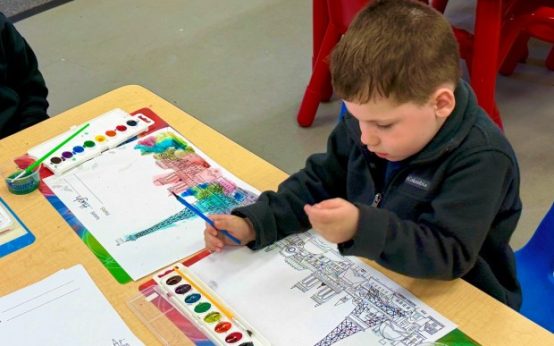 Immersion in French Culture at Ascension Catholic School
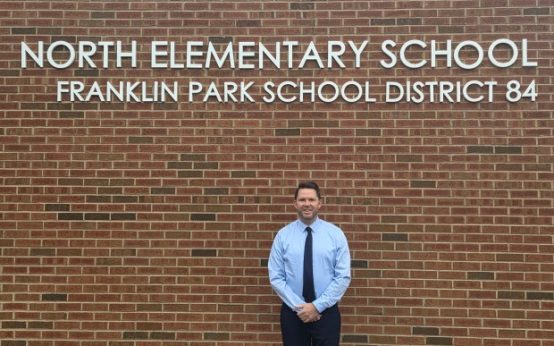 Franklin Park School District Prepares Leadership Transition
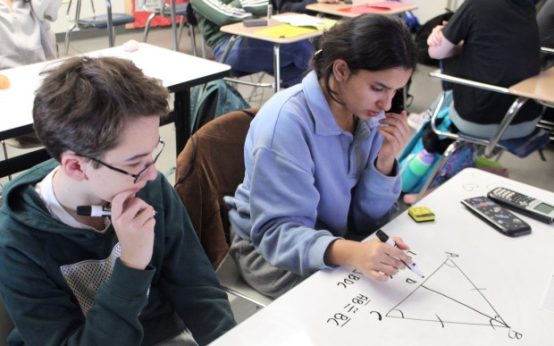 Orland High School District 230 Achieves Exemplary Status
 AI’s Impact on Math Education at Caltech
 NPR Student Podcast Challenge Returns for Ninth Year