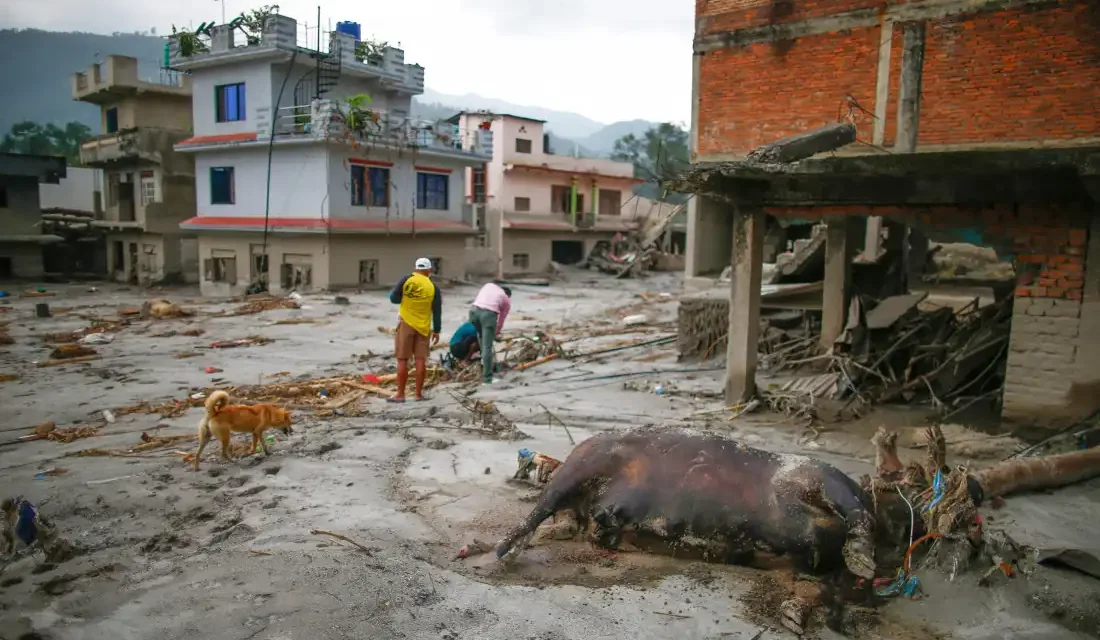
People continue to collect their belongings in a flood-affected area in Devighat within Bidur Municipality, Nuwakot district. The tragic events unfolded due to a glacial collapse and massive debris flow along the Trishuli River. This disaster left hundreds dead, with many still missing.
Skanda Gautam/SOPA Images/LightRocket/via Getty Images
“I thought I wouldn’t survive,”
says Januka Dhital. Just minutes before experiencing this overwhelming fear, she prepared snacks for her catering service in Uttargaya, Nepal. Her work was abruptly stopped by a warning from a man on a scooter about an impending flood. Stepping outside, she saw darkness, dust, and what appeared to be an entire hillside collapsing. Grabbing her son, she sought safety on the back of the man’s scooter.
She didn’t know if her husband and daughter were safe, as they were at work and school during the onslaught. Hours of waiting and fear ended reunification, though her husband, injured and covered in blood, was alive. The flood was a family disaster. Januka Dhital now works as an aid worker for survivors after losing everything.
More than 100,000 people have seen their lives turned upside down by these floods worsened by climate change. Over 1,500 have died and more than 5,000 remain missing. Thousands are in temporary shelters. Damage reports include seven health facilities, 23 schools, 10,000 toilets, and 64 water systems, as stated by the United Nations. Signs of malnutrition are rising as winter looms.
UNICEF’s Shyam Pathak describes the devastation’s scale as unimaginable. With the initial rescue efforts such as helicopters fading, international focus and assistance have diminished. The effort now is on rebuilding these communities while recovering their own lives.
In the immediate wake of the flood, Dhital and her family lived in a holding center before moving into a relative’s home. The experience was mentally challenging. She found purpose in helping her community through Helen Keller Intl after receiving mental health support. She assists postpartum mothers, pregnant women, and children, focusing on malnutrition prevention. Early reports indicate a sharp rise in malnutrition.
Naukunda Gaunpalika, once at 0.8% malnutrition, shot to 8.7% by October, revealed by Pooja Pandey Rana of Helen Keller. The data suggests these figures could be conservative estimates, driven by flood consequences. The floods destroyed homes and food resources, relying on dried foods and dealing with poor sanitation. Economic hardships further limit access to necessities.
Relief workers like Dhital supply essentials and funds. But, logistical challenges remain, with many floodpath communities isolated by collapsed bridges. Over 100 bridges have disappeared and mountain access roads severed, complicating aid and supplies deliveries.
Community aid workers such as Pushmaya Tamang tackle infrastructure challenges, crossing makeshift bridges that tremble dangerously with crowds. Her village in Nuwakot is a reminder of the loss. Tamang’s personal loss includes her younger sister. Interaction with affected families is emotionally demanding and they often lack words to comfort others.
UNICEF collaborates with aid organizations to provide mental health support, helping both victims and responders cope. Health workers, themselves survivors, strive to contribute towards rebuilding.
Winter brings additional challenges. Temporary shelters and tents are inadequate for harsh seasonal conditions, increasing health risks. Efforts focus on making shelters winter-ready, while securing food and medical resources. Long-term rebuilding plans remain unclear, with costs estimated at $5 billion. The U.N. Climate Fund has granted $20 million, and private donations exceed $100 million, falling short of needs.
For now, aid groups prioritize immediate survivors’ needs. Tamang finds solace in daily work amid loss, acknowledging life’s relentless progression.
 Spanish Election Shifts Power Dynamics: Trump Responds to Sánchez’s Defeat
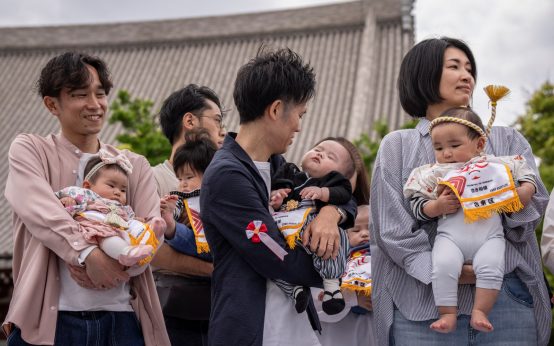 Japan’s LDP Proposes Financial Support for Families to Counter Population Decline
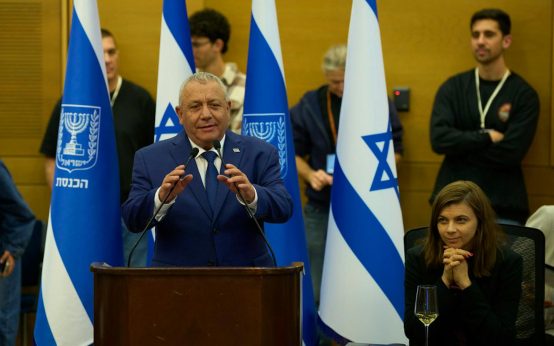 Netanyahu Faces Setback Amid Unity Government Talks
 The Silence of Women in Tech Regarding Jensen Huang’s Return
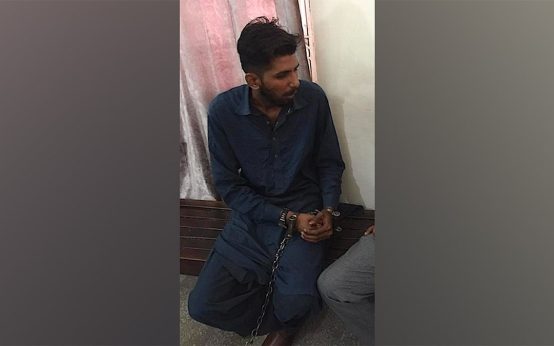 Concerns Rise Over Death Sentence of Pakistani Christian Accused of Blasphemy
 The Controversy Surrounding Lake Ontario’s Renaming